


As winter's gray days gradually give way to spring sunshine, many people notice shifts in their emotional state. But what happens when indoor environments fail to support this natural transition? Understanding the connection between light exposure and mood isn't just interesting science—it's essential knowledge for creating living spaces that nurture emotional wellness throughout seasonal changes.
The Science Behind Spring Mood Changes
Light profoundly influences our internal biological processes. When natural light enters our eyes, it triggers a cascade of hormonal responses that regulate everything from sleep patterns to emotional balance. Research from leading universities has documented how light exposure affects melatonin production—the hormone responsible for sleep regulation—and serotonin levels, often called the "feel-good" neurotransmitter.
During spring's transition, our bodies naturally crave more light exposure after months of winter darkness. Studies in sleep medicine journals suggest that consistent, quality light exposure helps stabilize circadian rhythms, potentially reducing mood fluctuations that many experience during seasonal transitions. The intensity, color temperature, and timing of light exposure all play crucial roles in how our bodies respond.
Why Unstable Indoor Lighting Amplifies Emotional Shifts
Many homes and workplaces feature lighting that flickers subtly or varies in intensity throughout the day—often imperceptibly to the conscious eye, but detectably to our nervous systems. This instability can create what researchers describe as "visual stress," contributing to fatigue, irritability, and difficulty concentrating.
Indoor environments with inconsistent lighting fail to provide the steady visual cues our bodies need. When artificial light sources flicker at frequencies between 3-70 Hz, even if invisible to direct observation, they can trigger discomfort and exacerbate seasonal mood challenges. Traditional fluorescent fixtures and some LED systems without proper drivers are common culprits.
The problem intensifies when indoor lighting doesn't align with natural daylight patterns. Spending 8-12 hours daily under poorly designed artificial light, especially during spring when outdoor conditions are improving, creates a disconnect between what our bodies expect and what they receive—potentially amplifying emotional instability.
Natural Light Simulation: Beyond Visibility to Well-Being
Quality indoor lighting isn't merely about illumination—it's about creating an environment that supports human biology. Natural light simulation focuses on replicating both the stability and spectral characteristics of sunlight, providing consistent visual comfort without the harsh brightness or color distortion of inferior lighting systems.
Effective natural light simulation maintains steady output without flicker, delivers a balanced color spectrum that renders objects naturally, and offers appropriate brightness levels for different activities. These characteristics help maintain emotional equilibrium by providing the visual stability our nervous systems evolved to expect.
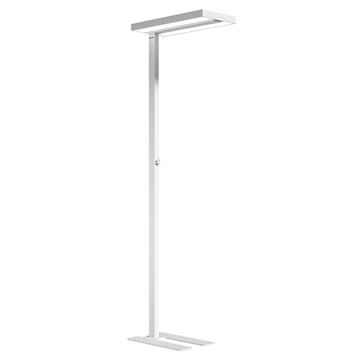
The Honeywell SmartLighting 02E Floor Lamp exemplifies this approach with flicker-free technology and fixed color temperature 4000K, allowing users to align their indoor lighting with natural daylight patterns throughout the day.
Creating Positive Light Environments with Stable Indoor Sources
Implementing seasonal mood lighting solutions doesn't require extensive renovations. Strategic placement of high-quality light sources can transform indoor environments into spaces that support emotional wellness.
Position stable, flicker-free lighting within 3-5 feet of primary activity areas—reading chairs, work desks, or morning routine spaces. This proximity ensures adequate light exposure without excessive brightness. For rooms measuring 150-200 square feet, a single well-positioned floor lamp delivering 3500-4000 lumens can provide sufficient ambient lighting for evening activities.
The stability of light output matters significantly. Fixtures engineered to maintain consistent brightness without fluctuation create visual environments that reduce eye strain and support sustained concentration. When evaluating lighting options, look for products specifically mentioning flicker-free operation and stable light output—technical specifications that indicate attention to biological comfort rather than mere illumination.
Practical Lighting Strategies for Emotional Balance
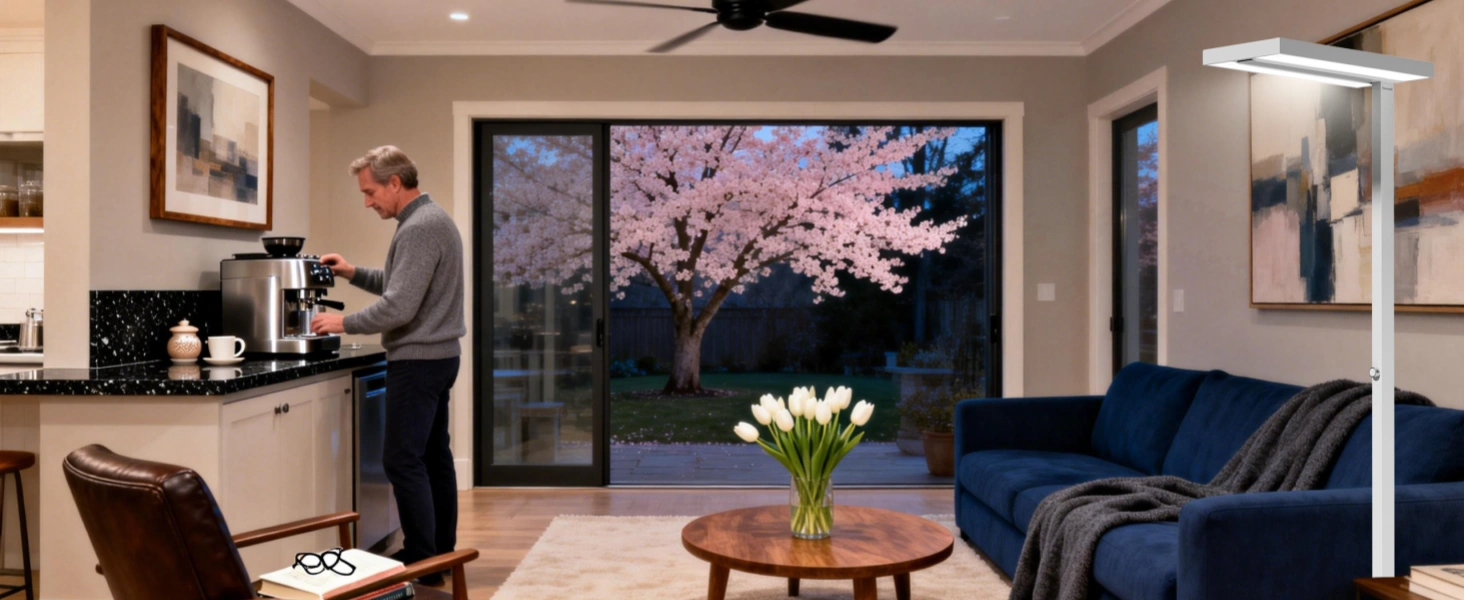
Morning Light Strategy: Position a quality floor lamp within your morning routine space—whether that's near your coffee maker, reading chair, or dressing area. Even 15-20 minutes of exposure to stable, daylight-temperature lighting can support your body's natural wake response.
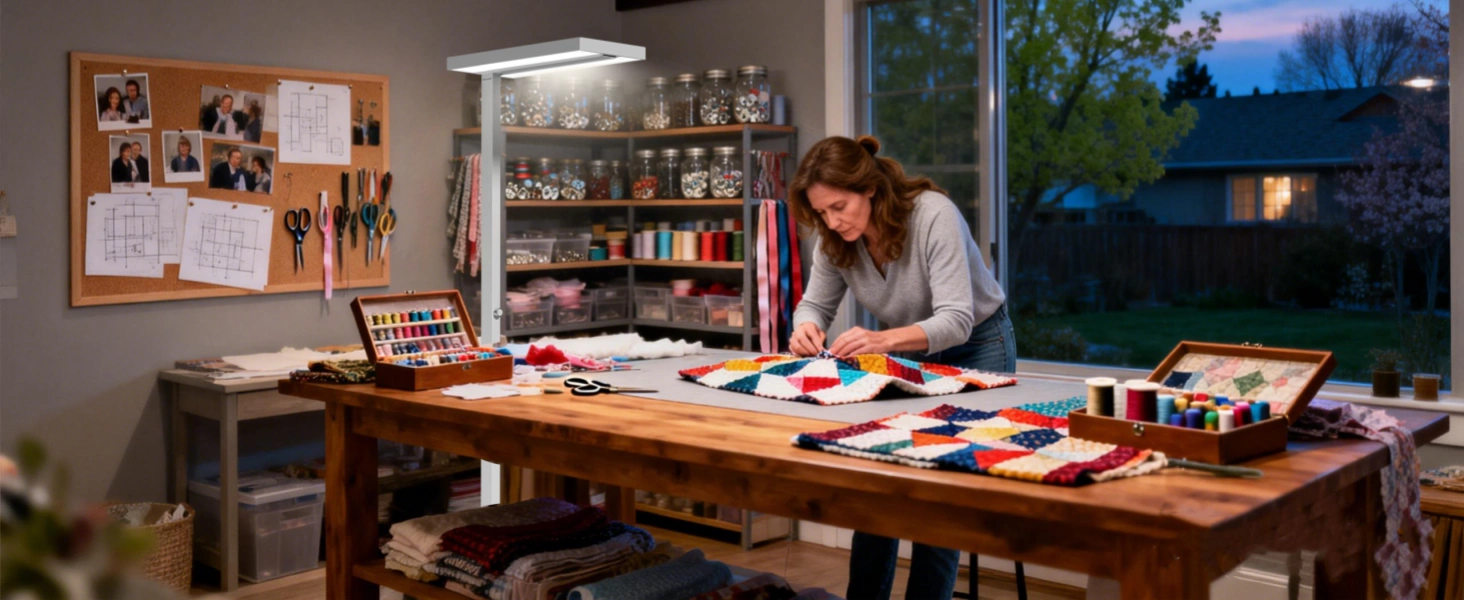
Daytime Maintenance: Throughout the day, maintain moderate lighting levels that prevent eye strain without causing glare. For home offices or crafting spaces, position lighting sources to minimize shadows on work surfaces while avoiding direct glare on screens. Adjustable color temperature allows you to match lighting to activities—cooler tones for focused tasks, slightly warmer tones for creative work.
Evening Transition: As bedtime approaches, gradually shift toward warmer color temperatures and reduced brightness. This progression signals your body to begin natural melatonin production, supporting healthy sleep patterns. Avoid abrupt transitions from bright, cool light directly to darkness, which can disrupt circadian rhythms.
Seasonal Adjustments: During early spring, when daylight hours extend but weather may still limit outdoor time, compensate by extending morning bright light exposure by 10-15 minutes. As spring progresses and natural outdoor light increases, you can gradually reduce supplemental indoor lighting duration.
Conclusion
Understanding how indoor light affects spring mood empowers you to create living spaces that support emotional well-being during seasonal transitions. Stable, quality lighting that mimics natural daylight patterns—delivered through flicker-free technology and appropriate color temperatures—provides the visual environment your biology needs to maintain equilibrium.
Seasonal mood lighting doesn't require complex systems or significant investment. Strategic placement of reliable light sources like the Honeywell SmartLighting 02E, combined with mindful timing and color temperature adjustments, can meaningfully improve your daily emotional experience as seasons change.
As you navigate spring's arrival, consider your indoor lighting not just as a utility, but as an active contributor to your emotional wellness—because how you feel is often influenced by what you see.


