
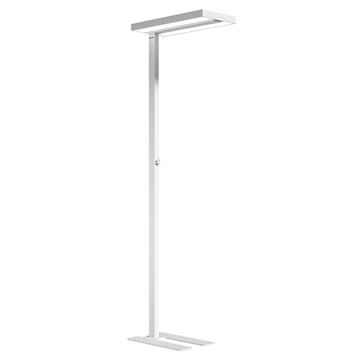


Spring has always been synonymous with renewal in Western culture—a season when nature awakens, daylight extends, and people naturally feel motivated to refresh their living spaces and routines. But beyond the symbolic connection to growth and rebirth, spring presents a practical opportunity to reconsider one of the most overlooked elements of home wellness: indoor lighting.
Americans spend approximately 80% of their time indoors, where artificial lighting significantly influences circadian rhythms, mood regulation, and cognitive performance. As we transition from the darker winter months into spring's longer days, it's the ideal moment to align your indoor environment with the season's natural rhythm—and investing in quality lighting solutions like the Honeywell SmartLighting floor lamps can make a measurable difference.
Spring as a Season of Intentional Change
The cultural significance of spring in North America and Europe extends beyond gardening and cleaning rituals. Psychologically, the season triggers what researchers call "temporal landmarks"—moments that prompt people to evaluate habits and set new intentions. These fresh-start moments significantly increase goal-directed behavior.
This makes spring the perfect time to address indoor lighting, especially considering that many households rely on outdated fixtures installed years ago without consideration for health impacts. The shift to daylight saving time in March also disrupts sleep patterns for millions, making it crucial to establish consistent, health-supportive lighting at home.
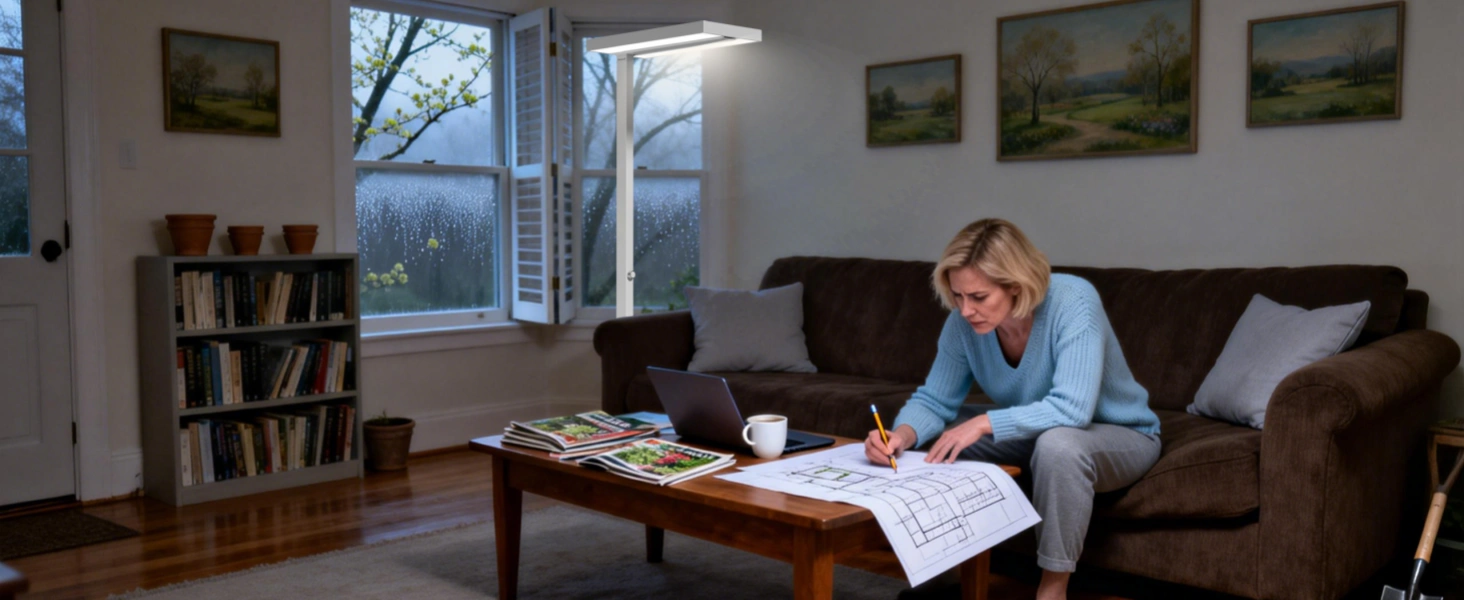
How Light Shapes Mental and Physical Well-Being
Light isn't merely about visibility—it's a biological signal that regulates essential bodily functions. The National Institute of General Medical Sciences confirms that light exposure influences the production of melatonin and cortisol, hormones that govern sleep-wake cycles and stress responses.
Poor indoor lighting contributes to several wellness challenges. Insufficient or improperly timed light exposure can lead to seasonal mood variations, difficulty concentrating, and disrupted sleep quality. Conversely, exposure to lighting that mimics natural daylight patterns—particularly in the morning hours—has been shown to improve alertness by up to 25% according to research from Northwestern University.
Beyond Brightness: Why Light Quality Matters More Than Intensity
Many people assume that "better lighting" simply means brighter bulbs. However, lighting quality involves multiple factors: color temperature, color rendering index (CRI), flicker rate, and consistency. The American Medical Association has issued guidance recommending that residential lighting prioritize circadian-friendly spectrums rather than maximum lumens.
Inexpensive LED bulbs often produce light with poor CRI values below 80, meaning colors appear washed out and the light feels artificial. High-quality fixtures like those from Honeywell maintain CRI values above 90, ensuring that your home environment feels natural and comfortable—critical for activities like reading, cooking, or video calls where accurate color perception matters.
Additionally, spring activities—whether it's reviewing financial documents for tax season, enjoying newly arrived books, or pursuing creative hobbies—all benefit from consistent, glare-free illumination. A stable floor lamp positioned correctly in a living room or home office eliminates eye strain that comes from working under inadequate or flickering light sources.
Spring Routines Deserve Spring-Ready Lighting
Consider your typical spring day: mornings might involve planning outdoor projects or catching up on work before temperatures rise. Afternoons could include reading or video conferencing from home. Evenings often transition to relaxation as families wind down from busier daytime schedules.
Each of these activities has distinct lighting needs. Morning work sessions benefit from cooler-toned lighting that signals alertness to your brain. Evening relaxation requires warmer tones that encourage melatonin production. Traditional fixed-temperature bulbs force you to choose one setting for all hours—a compromise that research suggests undermines both productivity and sleep quality.
Smart lighting solutions eliminate this trade-off. The ability to adjust your lighting throughout the day without changing bulbs or fixtures represents not just convenience, but a genuine investment in daily wellness that compounds over months and years.
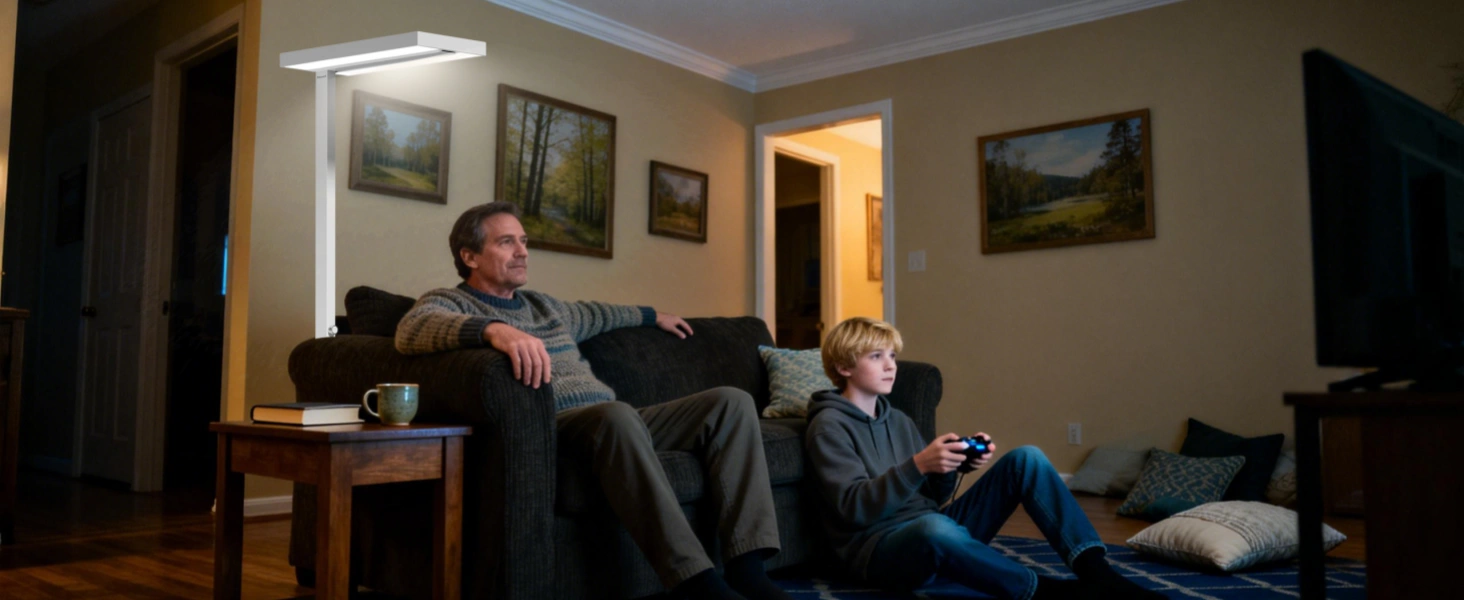
Making Spring Your Starting Point for Lasting Home Wellness
Investing in proper home lighting during spring isn't about following trends—it's about establishing an environmental foundation that supports health year-round. Just as spring cleaning removes winter's accumulated clutter, upgrading to quality lighting removes an invisible barrier to wellness that affects you every single day.
The Honeywell SmartLighting floor lamps represent a practical entry point for this investment, combining ease of installation, proven health benefits, and long-term durability. Unlike temporary seasonal decorations or short-lived wellness fads, proper lighting continues delivering value through improved mood, better sleep, and enhanced daily functioning long after spring transitions into summer.
This season, as you consider which aspects of your home and routine deserve attention, remember that light shapes every waking hour you spend indoors. Making the choice to invest in better lighting this spring means choosing to prioritize your well-being in one of the most fundamental ways possible—through the very light you live by.


