
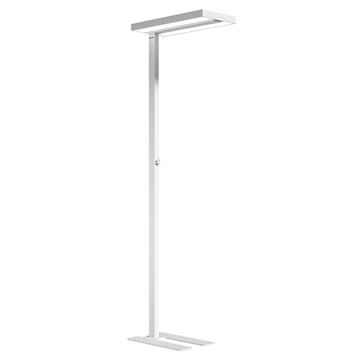


As spring breathes new life into our homes, families across America are reassessing their living spaces with fresh eyes. This season of renewal presents the perfect opportunity to evaluate one of the most overlooked aspects of home health: lighting. For families with children, aging parents, or multi-generational households, the right lighting solution isn't just about illumination—it's a long-term investment in wellbeing, productivity, and comfort that pays dividends for years to come.
The Spring Family Rhythm and Evolving Lighting Needs
Spring marks a shift in household routines. Children return to outdoor activities later into the evening, parents tackle home projects with renewed energy, and families spend more time together indoors during unpredictable spring weather. This transitional season highlights how inadequate lighting can strain eyes during homework sessions, create shadows in craft areas, or leave dining spaces feeling cold and uninviting.
Research from leading universities suggests that consistent, quality lighting plays a crucial role in regulating circadian rhythms, particularly as daylight hours extend. For families, this means selecting fixtures that provide stable, flicker-free illumination throughout the day—not just brightness, but light that supports natural biological processes. The difference between hastily chosen bulbs and thoughtfully designed lighting systems becomes evident in reduced eye strain, improved focus during homework, and better sleep patterns.
Understanding Age-Specific Light Sensitivity and Requirements
Every family member experiences light differently. Children's developing eyes are particularly sensitive to glare and inconsistent lighting, which can contribute to headaches and difficulty concentrating during study time. School-age kids require approximately 50-75 foot-candles of light for reading and detailed work—significantly more than ambient room lighting typically provides.
Adults juggling work-from-home responsibilities need lighting that reduces screen glare while maintaining enough brightness for documents and video calls. Medical research indicates that workers in well-lit environments report 15-20% less eye fatigue compared to those in poorly lit spaces. Meanwhile, older family members require even more illumination—sometimes 2-3 times more than younger adults—to perform the same visual tasks comfortably, particularly for hobbies like reading or sewing.
These varying needs often lead families to install multiple fixture types throughout their homes, creating inconsistent lighting experiences and maintenance headaches. A more effective approach involves selecting versatile, family-friendly lighting solutions that serve multiple purposes and age groups simultaneously.
Creating Universal, Adaptable Light Environments
The most successful family lighting strategies eliminate the need for constant adjustments by establishing baseline illumination that works for everyone. This doesn't mean one-size-fits-all brightness, but rather fixtures that deliver consistent, high-quality light without the harshness that troubles sensitive eyes or the dimness that strains aging vision.
Consider the Honeywell 02E fixture, designed specifically with family wellness in mind. Rather than offering adjustable color temperatures that family members might set incorrectly, this fixture maintains a steady 4000K output—mimicking natural daylight at its most balanced point. This consistent temperature supports concentration during morning homework sessions, remains pleasant during afternoon family gatherings, and doesn't disrupt evening routines.
Long-lasting fixtures also mean fewer ladder climbs, fewer bulb purchases, and less waste—practical considerations that matter when managing a busy household. At 33.8 pounds, substantial fixtures like these stay securely mounted through years of household activity, providing reliability that lightweight alternatives simply cannot match.
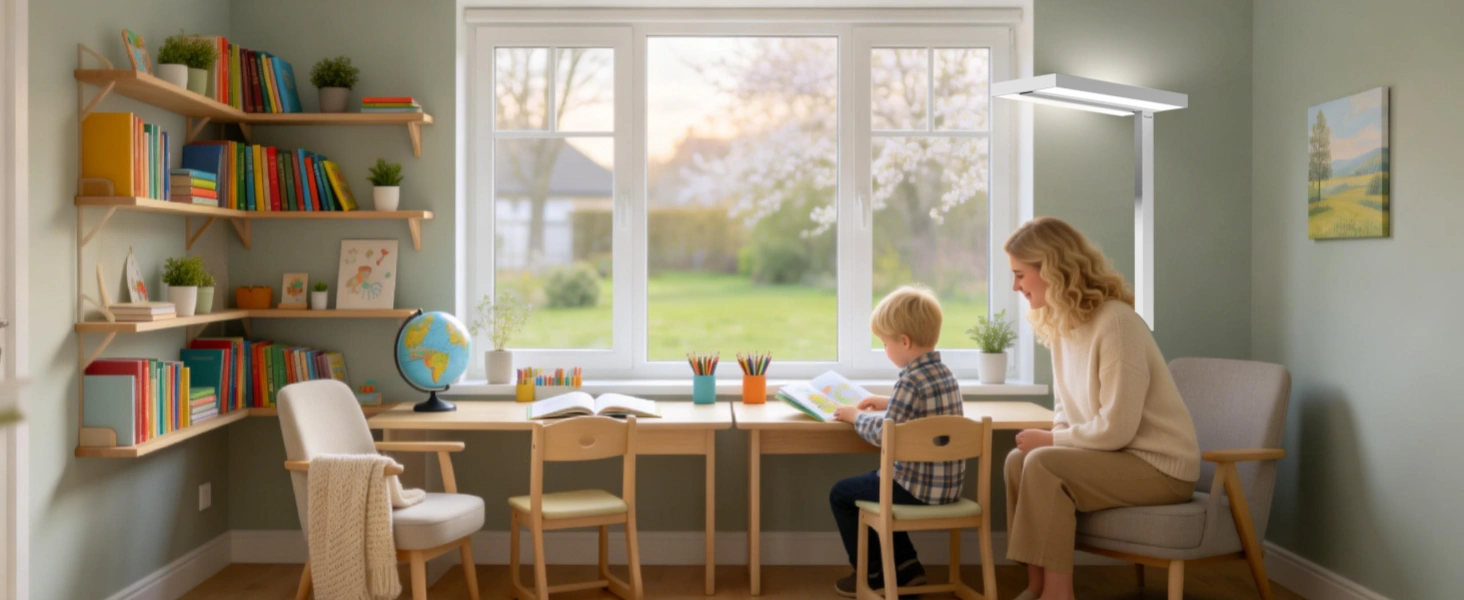
Designing Dedicated Learning Zones for Children
Children's study areas deserve special attention in family lighting plans. The American Academy of Pediatrics emphasizes that proper lighting significantly impacts academic performance and reduces visual fatigue during extended study periods. However, many families make the mistake of using overhead lighting alone, which creates shadows on work surfaces and forces children to hunch forward.
An effective learning space combines general illumination with task-specific lighting. Position primary light sources to eliminate shadows on desktops—typically this means placing fixtures above and slightly in front of the work area. For right-handed children, additional lighting from the left prevents hand shadows; reverse this for left-handed students.
Stability matters tremendously in learning environments. Flickering lights, even at imperceptible frequencies, can cause headaches and difficulty focusing. Quality fixtures that maintain consistent output eliminate this hidden stressor, allowing children to concentrate on their work rather than unconsciously compensating for visual irregularities.
Spring also brings allergy season, when children may already experience eye irritation. Adding harsh or unstable lighting compounds their discomfort. Gentle, consistent illumination helps minimize additional eye strain during an already challenging time.
Optimizing Light for Family Leisure and Gatherings
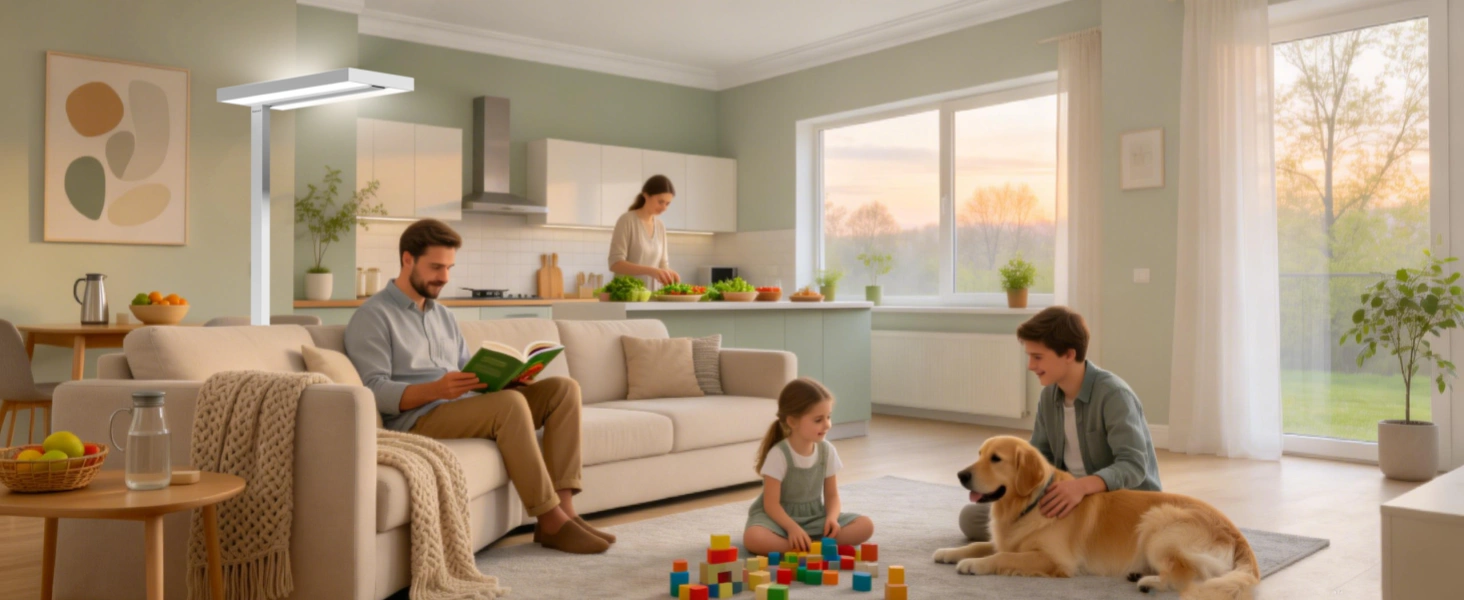
Family spaces serve multiple purposes throughout the day. Morning coffee, afternoon board games, evening movie nights—each activity benefits from thoughtful lighting that doesn't require constant fiddling with switches and dimmers. The key lies in establishing baseline illumination that feels comfortable whether you're hosting a birthday party or helping with a jigsaw puzzle.
Research from interior design studies shows that families gravitate toward spaces with natural-feeling light. Rather than the stark blue-white of some LEDs or the yellowed warmth of aging incandescents, balanced daylight-temperature lighting creates an inviting atmosphere that transitions seamlessly from activity to activity.
For dining areas, adequate overhead illumination prevents the awkward shadows that make family meals feel disconnected. In living rooms, consistent light distribution eliminates the need for multiple floor lamps and table lamps—reducing clutter while improving functionality. Game nights, craft projects, and homework sessions all benefit from the same foundational lighting quality.
Spring gatherings, from Easter brunches to graduation celebrations, showcase how proper lighting enhances these moments. Guests notice when they can see each other's faces clearly during conversation, when food looks appetizing under natural-toned light, and when photos capture memories without harsh shadows or washed-out faces.
Common Misconceptions and Pitfalls to Avoid
Many families fall into predictable traps when upgrading their lighting. The first misconception is that "smart" features automatically equal better lighting. While app-controlled color changes seem appealing, they often become unused novelties while the fundamental light quality remains poor. Families benefit more from reliable, well-designed fixtures than from technological complexity that breaks or becomes obsolete.
Another common error is prioritizing initial cost over long-term value. Cheap fixtures might save money upfront but require frequent bulb replacements, generate higher energy bills, and often fail within a few years. When calculated over a decade, durable lighting solutions cost significantly less while delivering superior performance throughout their lifespan.
Parents also frequently underestimate how much lighting affects mood and behavior. Research indicates that homes with inadequate or harsh lighting see increased irritability among family members—though the lighting is rarely identified as the culprit. Conversely, environments with consistent, quality illumination report improved family dynamics and reduced stress levels.
Perhaps the most dangerous misconception involves visible flicker. Many assume that if they can't see lights flickering, there's no issue. However, high-frequency flicker still affects the nervous system, potentially contributing to headaches, eye strain, and difficulty concentrating—problems often attributed to screen time when lighting deserves equal scrutiny.
Summary and Spring Lighting Upgrade Checklist
As your family embraces spring renewal, consider lighting not as a one-time purchase but as a foundational investment in daily wellbeing. The right choices now will support your children's learning, your work productivity, and your family's health for years ahead—eliminating the frustration of frequent replacements and the hidden costs of inadequate illumination.
Spring Family Lighting Upgrade Checklist:
- Evaluate current fixtures for flicker, inconsistent brightness, or inadequate coverage in key family areas
- Prioritize learning zones where children study and adults work, ensuring shadow-free task lighting
- Consider long-term durability over initial cost savings—calculate 5-10 year ownership expenses
- Choose stable color temperatures around 4000K that support natural circadian rhythms rather than adjustable options that might be misused
- Install fixtures appropriate for room size and ceiling height—undersized lighting leaves families straining unnecessarily
- Plan for future needs by selecting versatile solutions that accommodate changing family dynamics as children grow
Quality lighting transforms houses into healthier homes. This spring, invest in illumination that serves your family's needs not just for the season, but for the long haul—creating environments where everyone can see clearly, work comfortably, and gather joyfully under light that truly supports life.


