
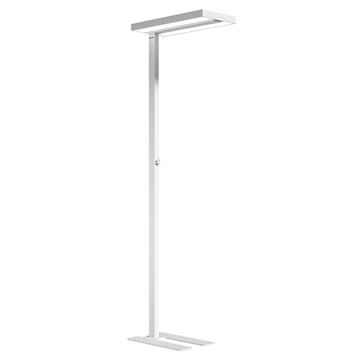


As spring arrives and natural light begins to shift, many apartment dwellers find themselves reassessing their living environments. For those embracing minimalist principles—whether by choice or necessity—the challenge lies not in accumulating more, but in selecting fewer, better elements that serve multiple purposes. Among these, lighting stands as perhaps the most transformative yet overlooked component of spatial design.
What Defines a Minimalist Space, and Why Spring Matters
Minimalist living isn't merely about empty surfaces or monochrome palettes. It's a deliberate curation of elements that enhance daily function while reducing visual and mental clutter. Research from environmental psychology suggests that simplified environments can reduce cortisol levels and improve focus, particularly in small apartments where every square foot carries weight.
Spring presents a unique opportunity for this spatial reset. As daylight extends and natural illumination patterns change, we become acutely aware of how artificial lighting interacts with our spaces. The transition from winter's darker evenings to spring's softer, longer twilight periods creates an ideal testing ground for evaluating whether your current lighting setup truly serves your needs—or simply fills a socket.
For renters, freelancers, or anyone avoiding permanent installations, this seasonal shift emphasizes the value of flexible, high-quality portable solutions. A single well-designed floor lamp can define an entire room's atmosphere without requiring landlord approval or contractor fees.
Light as a Quieting Element: The Wellness Connection
The relationship between illumination and emotional state extends far beyond simple visibility. Studies in lighting design have demonstrated that stable, flicker-free light sources can significantly reduce eye strain and headache frequency, particularly for individuals spending extended periods reading or working at home.
Unlike overhead fixtures that cast harsh shadows or create glare on screens, a thoughtfully positioned floor lamp provides directional illumination that adapts to various activities. The Honeywell F01 minimalist floor lamp exemplifies this approach with its stepless dimming capability, allowing users to fine-tune brightness from 10% to 100% without the jarring transitions common in cheaper alternatives.
This matters especially in spring, when natural light levels fluctuate throughout the day. A lamp that maintains consistent color temperature (in this case, 3000K warm white) helps regulate circadian rhythms even as outdoor conditions change—supporting both morning alertness and evening wind-down routines without requiring multiple fixtures.
One Lamp, Multiple Life Scenarios
The "single lamp home lighting setup" isn't about deprivation—it's about strategic sufficiency. Consider how a well-placed floor lamp can serve distinct functions throughout a typical day:
Morning and daytime work: Positioned beside a desk or reading chair, directed light reduces screen glare while providing adequate task illumination. The ability to adjust brightness means you can compensate for cloudy days without overpowering sunny mornings.
Evening relaxation: Dimmed to 30-40% capacity, the same lamp creates ambient lighting suitable for conversation, light meals, or casual browsing—replacing the need for separate "mood lighting" fixtures.
Nighttime reading: At medium brightness with the shade angled properly, it delivers focused illumination for books or tablets without flooding the entire room, particularly valuable in studio apartments or shared sleeping spaces.
The key lies in selecting a lamp with genuine adjustability. Many budget options offer three-step dimming that still feels abrupt; continuous adjustment ensures you're never stuck between "too bright" and "too dim." The F01's touch-sensitive controls allow for intuitive, gradual changes that respond to actual use rather than predetermined settings.
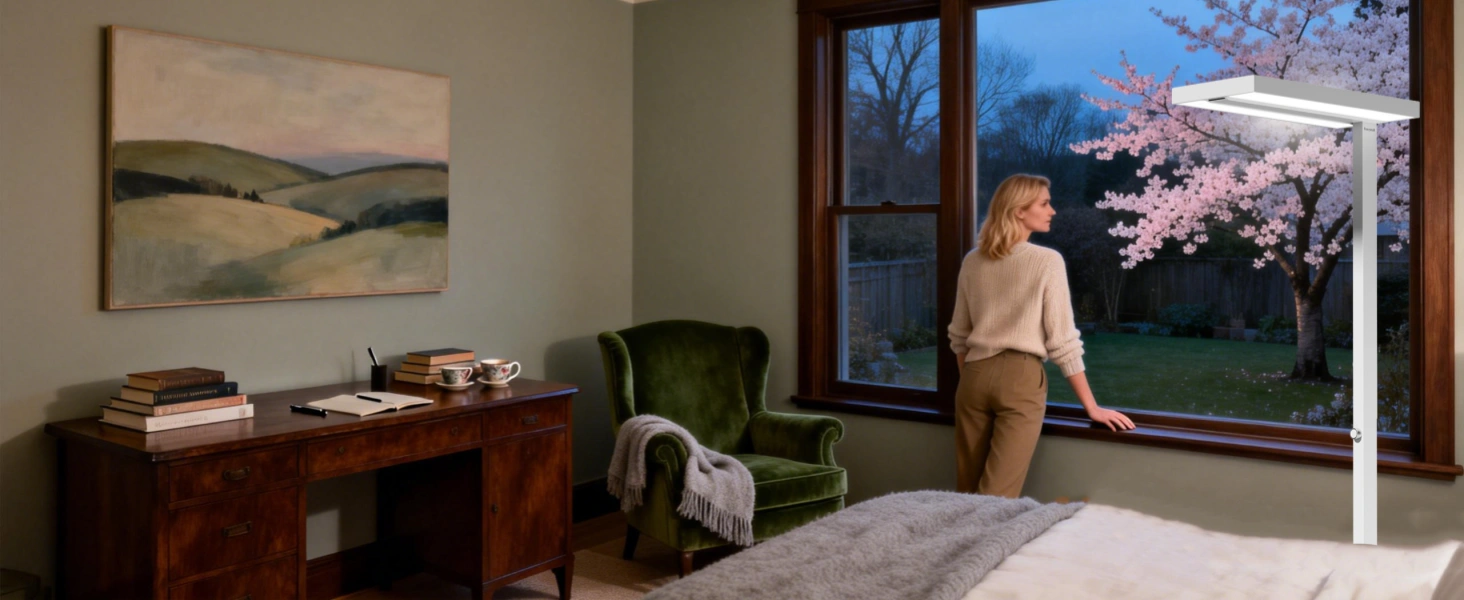
Furniture, Color, and Spatial Harmony
In minimalist design, every element must justify its presence through function or intentional aesthetic contribution. A floor lamp occupies physical space—roughly 1 square foot at the base—and visual space through its height and form. This makes coordination with existing furniture essential rather than optional.
For apartments with neutral walls (whites, grays, warm beiges), a lamp in matte black or brushed metal maintains visual cohesion without competing for attention. The vertical line of a floor lamp can actually enhance perceived ceiling height in smaller rooms, particularly when positioned in corners where it draws the eye upward.
Placement relative to seating deserves careful consideration. Positioning a lamp 15-20 inches behind and to the side of a reading chair creates optimal task lighting without casting shadows on your work. For workspaces, placing it opposite your dominant hand prevents obstruction—if you're right-handed, position it to your left.
Spring's emphasis on lighter textiles and potentially rearranged furniture (moving pieces closer to windows, for instance) makes this an ideal time to reassess lamp placement. As you adjust your layout to capture more natural light during the day, ensure your artificial light source complements rather than conflicts with these new arrangements.
Small Budget, Substantial Impact
Minimalist lighting solutions for apartments needn't require luxury budgets, but they do demand discernment. The difference between a $30 basic lamp and a $100-200 quality fixture often shows itself in longevity, light quality, and actual energy consumption over time.
Consider the total cost of ownership: a well-constructed lamp with LED technology drawing 8-10 watts can provide 20,000+ hours of use while consuming approximately 80-100 kWh over its lifetime—roughly $10-15 in electricity at average U.S. rates. By contrast, multiple cheaper lamps replaced every few years, each with less efficient bulbs, quickly exceed both the initial investment and operational costs of a single quality piece.
The F01's construction—featuring a weighted base for stability and a flexible axis allowing 360-degree adjustment—addresses common frustration points in budget alternatives: wobbling stands, limited directional control, and bases that tip when the shade is repositioned. These aren't luxury features; they're functional necessities for a lamp serving as your primary light source.
For those on strict budgets, prioritize lamps with replaceable LED modules rather than integrated bulbs. While initial costs may be slightly higher, the ability to replace only the light element rather than the entire fixture extends usable life significantly.
The Renter's Advantage: Portable Solutions
Rental agreements typically prohibit ceiling fixture replacements or wall-mounted installations, making floor lamps not just an option but often the only viable lighting upgrade. This apparent limitation actually aligns perfectly with minimalist principles—portability preserves flexibility.
A quality floor lamp moves with you across apartments, cities, or life stages. Unlike built-in lighting that benefits only current landlords, a portable solution represents an investment in your own comfort regardless of address. This proves particularly valuable for frequent movers, students, or professionals in transitional housing situations.
The stability factor becomes crucial here. Cheaper floor lamps often fail during moves, their weak joints and plastic components unable to withstand disassembly and transport. Look for lamps with metal construction and simple assembly processes—the F01's design, for instance, requires no tools and maintains structural integrity through multiple relocations.
Spring cleaning and seasonal transitions often prompt moves or rearrangements. A lamp that adapts to new spaces without requiring new purchases honors both minimalist philosophy and practical budget constraints.
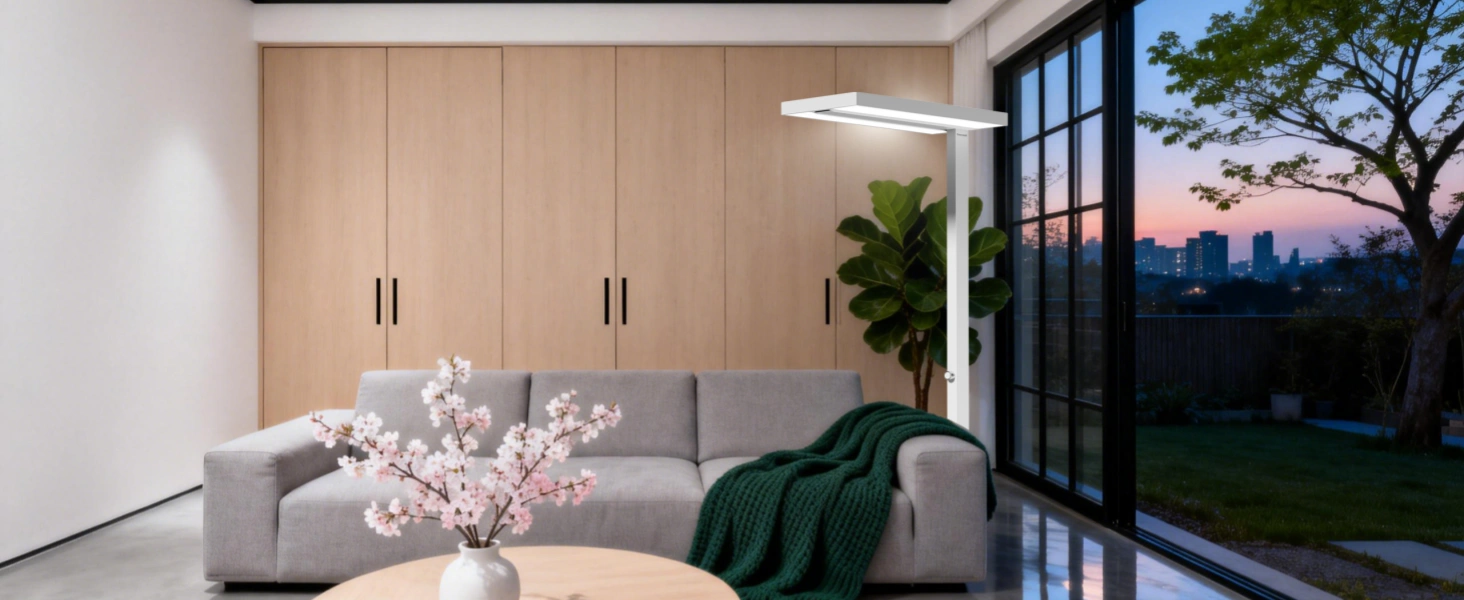
Light, Space, and the Long View
Minimalism isn't a one-time purge—it's an ongoing practice of intentional selection and sustained simplicity. The lighting choices you make today create the visual environment you'll inhabit for months or years ahead. Spring's natural tendency toward renewal makes it an ideal moment to establish patterns that support rather than complicate daily life.
A single, well-chosen lamp becomes more than illumination—it's a anchor point that defines how you experience your space. Over time, this consistency builds familiarity and comfort. You learn exactly how much dimming works best for different activities, where shadows fall at various times of day, and how the light interacts with seasonal changes in natural illumination.
This relationship between light and inhabitant exemplifies minimalism's deeper purpose: not deprivation, but refinement toward what genuinely serves your life. As spring progresses into summer and beyond, a reliable, adaptable light source provides the functional foundation that allows other aspects of your space to evolve without requiring constant replacement or adjustment.
For those seeking honeywell stable light wellness within minimalist frameworks, the principle remains consistent: choose fewer elements of higher quality, positioned with intention, that serve multiple purposes without demanding constant attention. In doing so, you create not just a well-lit room, but a genuine sanctuary—calm, functional, and entirely your own.


