


Why Spring Increases Study-Related Eye Fatigue
As daylight hours extend and exam season approaches in spring, students across Europe and North America face a paradox: longer days don't necessarily mean better studying conditions. The transition from winter to spring brings unpredictable natural light—mornings might be bright while evenings dim earlier than expected, forcing students to switch between natural and artificial lighting multiple times during study sessions.
Research shows that prolonged reading or screen time during exam periods can lead to headaches, blurred vision, fatigue, and reduced concentration—all symptoms that seriously affect exam performance. In fact, studies reveal a prevalence rate of 68.53% for digital eye strain among university students, with symptoms worsening during peak study seasons when academic pressure intensifies.
Spring's variable lighting conditions compound this problem. Students often begin homework in natural daylight but continue into evening hours under artificial lighting, creating inconsistent visual environments that stress the eyes. The American Academy of Ophthalmology recommends taking breaks every 20 minutes during screen time, yet during exam season, many students push through multiple hours without adequate rest, compounding the strain.
Common Lighting Mistakes in Student Rooms
Most student rooms suffer from lighting configurations designed for general use rather than extended study sessions. The most common mistake is relying solely on overhead ceiling fixtures, which create harsh downward lighting that produces shadows on desks and reading materials. This forces eyes to constantly adjust between bright and dark areas, accelerating fatigue.
Another frequent error involves positioning desk lamps incorrectly. Many students place lamps directly in their line of sight or too close to their books, creating bright spots that cause discomfort. Experts recommend positioning screens 20 to 28 inches away from eyes, with the center of the monitor 4 to 5 inches below eye level—principles that apply equally to lamp placement and study material positioning.
Dim lighting represents another pitfall. Parents and students sometimes assume that lower brightness reduces eye strain, but insufficient illumination forces eyes to work harder to distinguish text and details. The goal isn't maximum brightness but appropriate, stable illumination that matches the task at hand.
How Glare and Unstable Light Affect Concentration
Glare occurs when light reflects off glossy surfaces—computer screens, textbook pages, or desktops—creating bright spots that reduce visual clarity. University studies show that headaches affect 53.3% of computer users, with burning sensations reported by 54.8% and tired eyes by 48%, many of these symptoms directly linked to glare and improper lighting conditions.
Unstable lighting, characterized by flickering or sudden brightness changes, disrupts the brain's visual processing. While modern LED technology has reduced flicker compared to older fluorescent bulbs, not all LED lamps maintain consistent output. Quality eye-care lamps undergo flicker testing to ensure steady illumination that doesn't strain visual pathways during extended use.
The color temperature of light also impacts concentration. Cool white light (5000K and above) promotes alertness but can feel harsh during evening study sessions, while warm light (3000K) creates a relaxing atmosphere that may reduce focus. Eye health experts note that artificial blue light from screens and focused work without breaks contributes to eye strain and affects the body's circadian rhythm, making thoughtful lighting choices essential for both immediate comfort and long-term health.
Desk Lighting Basics Explained Simply
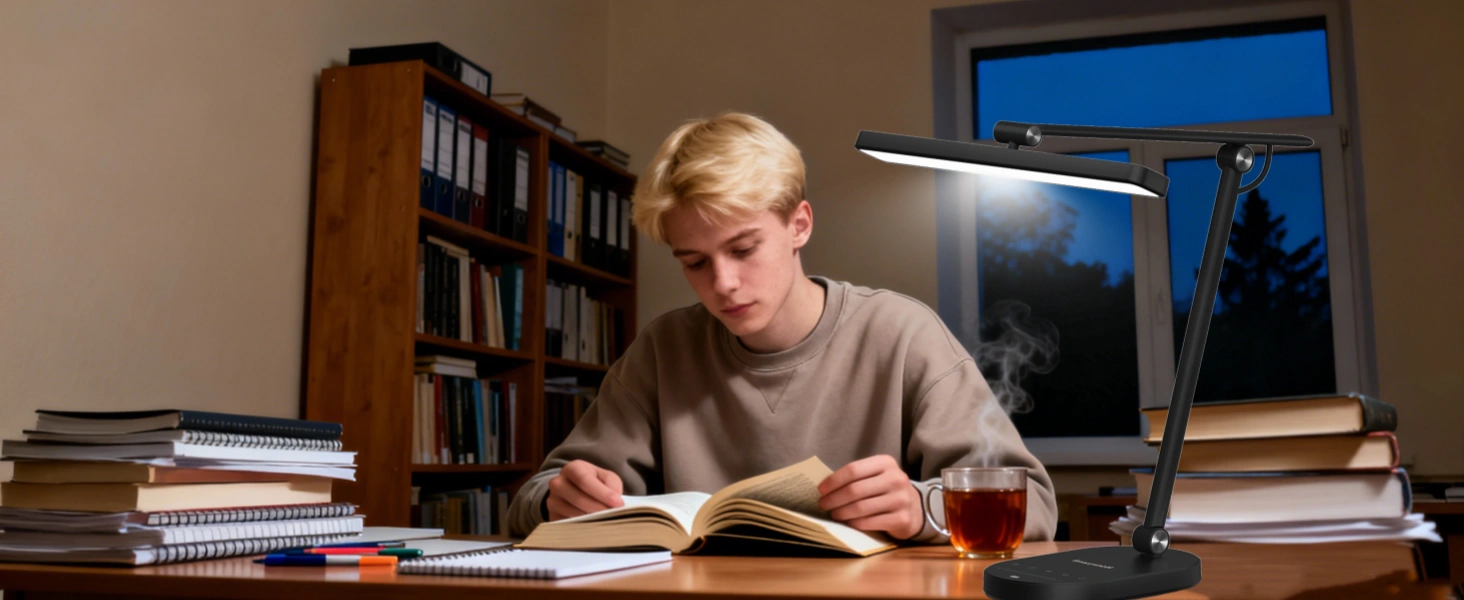
Effective study lighting requires three elements working together: adequate brightness, appropriate color temperature, and proper positioning. Think of your desk as a stage requiring front lighting, not backlighting. The lamp should illuminate your work surface without creating shadows or reflecting directly into your eyes.
Brightness levels matter more than many realize. For detailed work like reading small print or writing, aim for illumination in the 300-500 lux range—roughly equivalent to a well-lit office environment. The Honeywell H4 desk lamp provides 700 lumens with adjustable brightness settings from 10% to 100%, allowing students to match lighting intensity to specific tasks and times of day.
Color temperature flexibility proves essential for all-day studying. Morning sessions benefit from cooler temperatures (4000K-5000K) that promote alertness, while evening work responds better to warmer tones (3000K) that don't disrupt sleep patterns. Quality study lamps offer multiple color temperature settings, enabling students to adjust lighting as natural daylight changes throughout the day.
The lamp's physical design also matters. Adjustable arms and rotating heads allow precise positioning to eliminate shadows and glare. The Honeywell H4 features four movable hinges with 0-180 degree adjustment capability, making it adaptable to various desk configurations and study positions—whether sitting upright for writing or leaning back during reading.
Creating a Balanced Study Environment for Exam Season
A balanced study environment extends beyond the desk lamp. Ambient lighting—the general illumination in the room—should complement task lighting rather than compete with it. Avoid studying in complete darkness with only a desk lamp, as this creates stark contrast that forces eyes to constantly adapt between bright and dark zones.
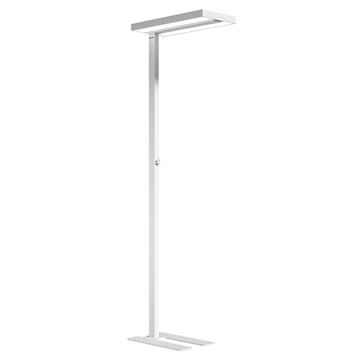
Instead, combine a focused desk lamp with softer ambient lighting. Floor lamps positioned behind or to the side of the desk provide gentle fill lighting that reduces contrast without creating glare. This layered approach mirrors professional workspace design, where multiple light sources at different intensities create comfortable visual environments for extended work periods.
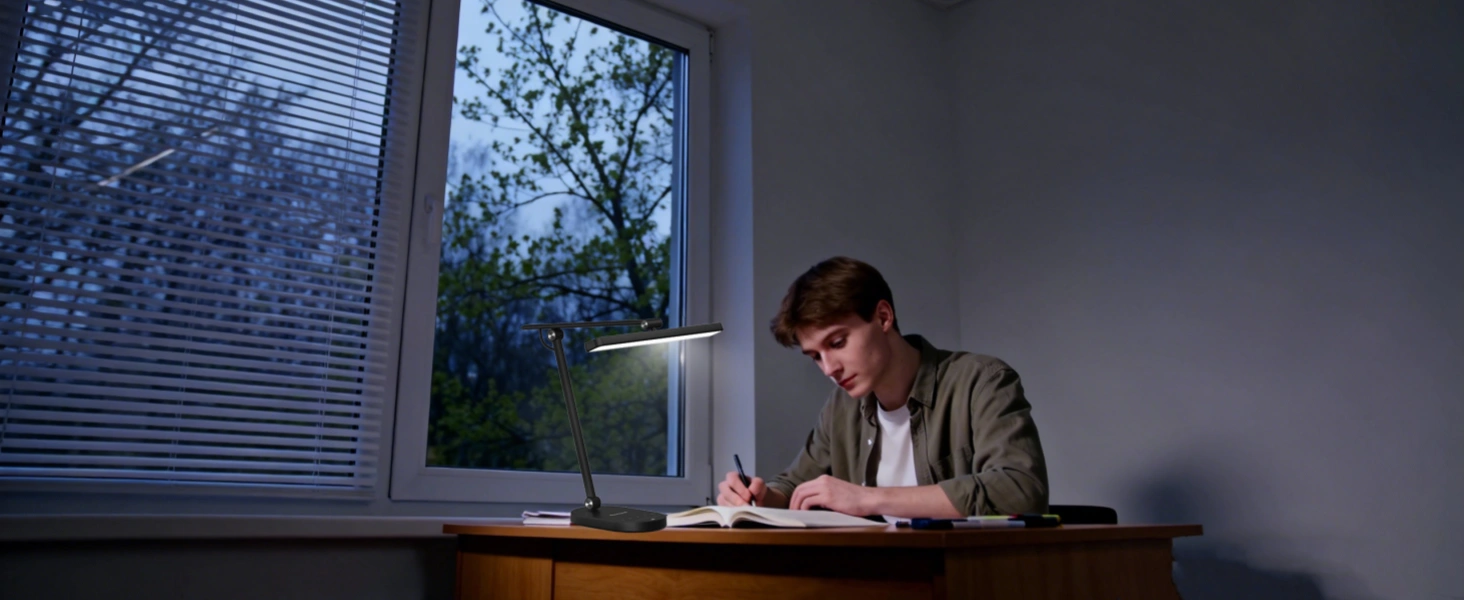
Window positioning also plays a role. Natural daylight provides excellent illumination during morning and afternoon study sessions, but windows can become sources of glare when sunlight reflects off screens or pages. Position desks perpendicular to windows rather than facing them directly, and use adjustable blinds to control natural light intensity throughout the day.
During exam season, consider the study space as a system rather than individual elements. The desk lamp provides focused illumination for active reading and writing, ambient lighting reduces eye adaptation stress, and natural light supplements both while supporting circadian rhythm regulation. This comprehensive approach supports sustained concentration without the physical discomfort that derails study sessions.
Long-Term Eye Comfort vs Short-Term Brightness
Many students equate "better lighting" with "brighter lighting," pushing desk lamps to maximum intensity regardless of actual needs. This approach may feel productive in the moment but contributes to long-term eye fatigue. Professional lighting designers emphasize that appropriate illumination matches both the task and duration—what works for a 20-minute reading session may prove uncomfortable during a three-hour study marathon.
The Vision Council reports that 60% of digital device users experience eye strain, a statistic that climbs during exam periods when screen time increases dramatically. Quality study lamps address this challenge through auto-dimming features that adjust output based on ambient light conditions. The Honeywell H4's built-in light sensor automatically modulates brightness to maintain consistent illumination as natural daylight fades, preventing the gradual eye strain that occurs when students fail to adjust lamp settings manually.
Long-term eye comfort also requires regular breaks. Eye care professionals recommend the 20-20-20 rule: every 20 minutes, look at something 20 feet away for 20 seconds. During these breaks, stand up and move to give both eyes and body relief from sustained focus. Timer functions on quality desk lamps can serve as break reminders—the Honeywell H4 offers a 60-minute auto-shutoff feature that can be repurposed as a study interval timer.
Investing in proper study lighting represents an investment in academic performance and eye health. While basic desk lamps cost less initially, they often lack flicker-free operation, adjustable color temperature, and adequate brightness range. Features like CRI 97+ color accuracy (which the Honeywell H4 provides) ensure accurate color perception for reading charts, diagrams, and color-coded notes—details that matter during exam preparation when every minute of study time counts.
As spring exam season approaches, students and parents should evaluate study lighting as carefully as textbooks and study schedules. The right desk lamp doesn't guarantee academic success, but it removes a significant obstacle to effective learning—giving students the visual comfort they need to focus on mastering material rather than managing eye fatigue.


