


Moving into a new home often means making quick decisions about lighting. Many homeowners choose inexpensive temporary fixtures to address immediate needs, only to discover months later that quality lighting makes a profound difference in daily comfort. As spring arrives with its longer days and shifting natural light patterns, these differences become especially apparent. This article explores the core distinctions between temporary and long-term lighting solutions through real user experiences, focusing on light stability, eye comfort, spatial continuity, and long-term adaptability.
Spring Light Dynamics: More Daylight, More Expectations
Spring brings rapid increases in daylight hours, particularly after the spring equinox in mid-March, transforming how we experience indoor spaces. With natural light flooding through windows during extended evening hours, the quality of artificial lighting becomes more noticeable through direct comparison.
During spring months, households naturally extend their active hours into the evening. Family dinners stretch longer, children complete homework with fading natural light, and adults transition between work and leisure activities as daylight lingers. This seasonal shift exposes weaknesses in temporary lighting fixtures that weren't as obvious during darker winter months.
Common issues with temporary lamps in spring include inadequate brightness as evening activities extend later, harsh contrast between warm natural light and cool artificial sources, and flickering that becomes more noticeable against the steady quality of daylight. Many temporary fixtures lack the luminous output needed to properly illuminate spaces once natural light fades, forcing occupants to strain their eyes or add multiple light sources.
Temporary vs Long-Term Lighting: What's the Difference?
The fundamental distinction between temporary and permanent lighting solutions extends far beyond price points. Research has established that prolonged exposure to certain artificial light sources can increase eye disease risk, making the choice between temporary convenience and long-term quality a health consideration rather than merely aesthetic preference.
Light Stability and Eye Fatigue
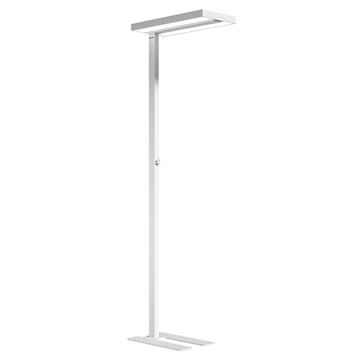
Studies suggest prolonged exposure to blue light may contribute to eye strain, headaches, and potential retinal damage. Temporary lamps often use lower-quality LED chips or fluorescent bulbs that emit inconsistent light spectra. Professional-grade fixtures like the Honeywell 02E series utilize specialized technology to maintain consistent 4000K color temperature, mimicking natural mid-morning sunlight and reducing eye strain during extended use.
The difference manifests in subtle but significant ways during daily activities. Reading under temporary lighting for 30 minutes often results in eye fatigue, while quality fixtures maintain comfortable illumination for hours. Research shows approximately 50% of digital device users experience symptoms of digital eye strain linked to screen and LED exposure, and poor ambient lighting compounds this problem significantly.
Material Quality and Long-Term Adaptability
Temporary fixtures typically employ lightweight plastics and thin metals that warp under heat stress, while premium lighting solutions utilize aerospace-grade aluminum and steel construction. The Honeywell 02E series, weighing 33.8 pounds, demonstrates commitment to structural integrity that ensures stable performance across years of daily use. This substantial construction prevents the wobbling and instability common in cheaper alternatives, particularly important in homes with children or pets.
Quality fixtures also incorporate sophisticated thermal management systems that prevent LED degradation. Temporary lamps often lack adequate heat dissipation, causing brightness reduction and color shift within months. Professional solutions maintain consistent output through proper engineering, with components rated for 30,000+ operational hours.
Real Home Scenarios: Work, Relax, Socialize
The true value of quality lighting emerges through daily living patterns. Consider three common scenarios where lighting quality directly impacts experience and comfort.
Home Office Productivity
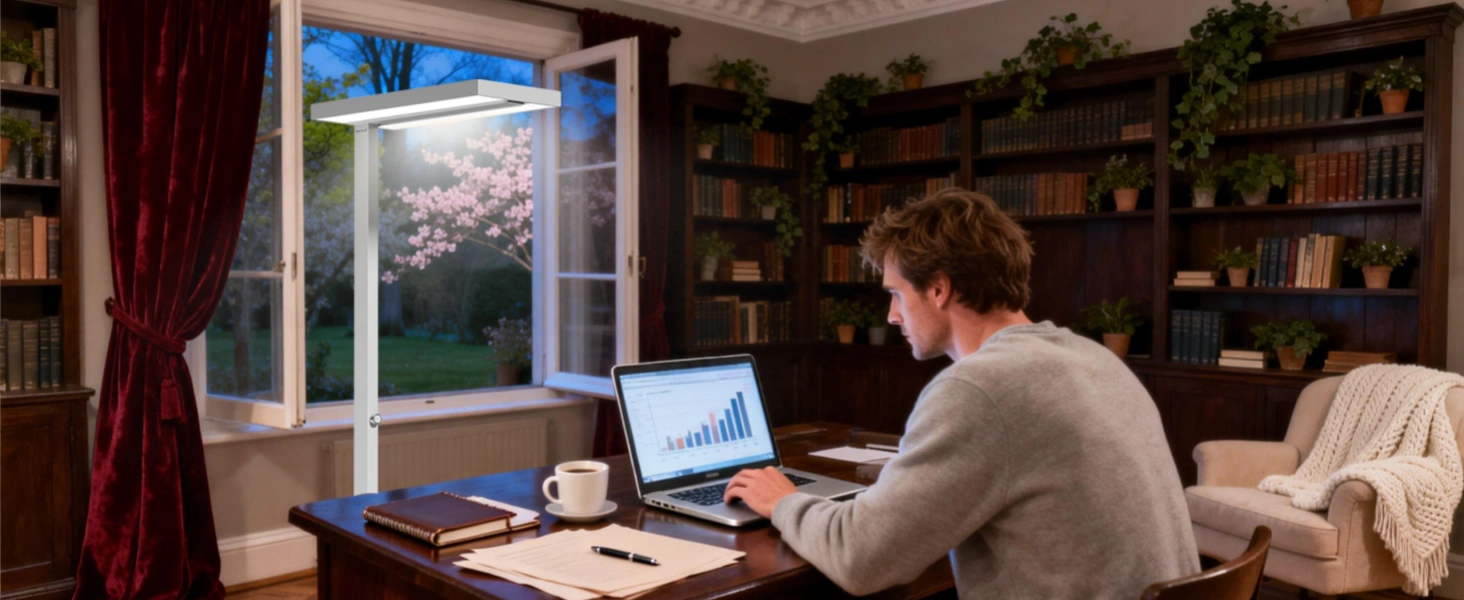
Remote work demands consistent, eye-friendly illumination for 8+ hour workdays. Computer Vision Syndrome encompasses eye and vision problems resulting from prolonged screen use, and office lighting significantly compounds this condition when screens must compete with suboptimal surrounding light sources. Temporary desk lamps create harsh shadows and uneven illumination that forces constant eye adjustment, while comprehensive solutions like floor lamps with 10,400+ lumens and 98+ CRI provide uniform illumination across entire workspaces, reducing contrast ratios that contribute to fatigue.
Family Evening Activities
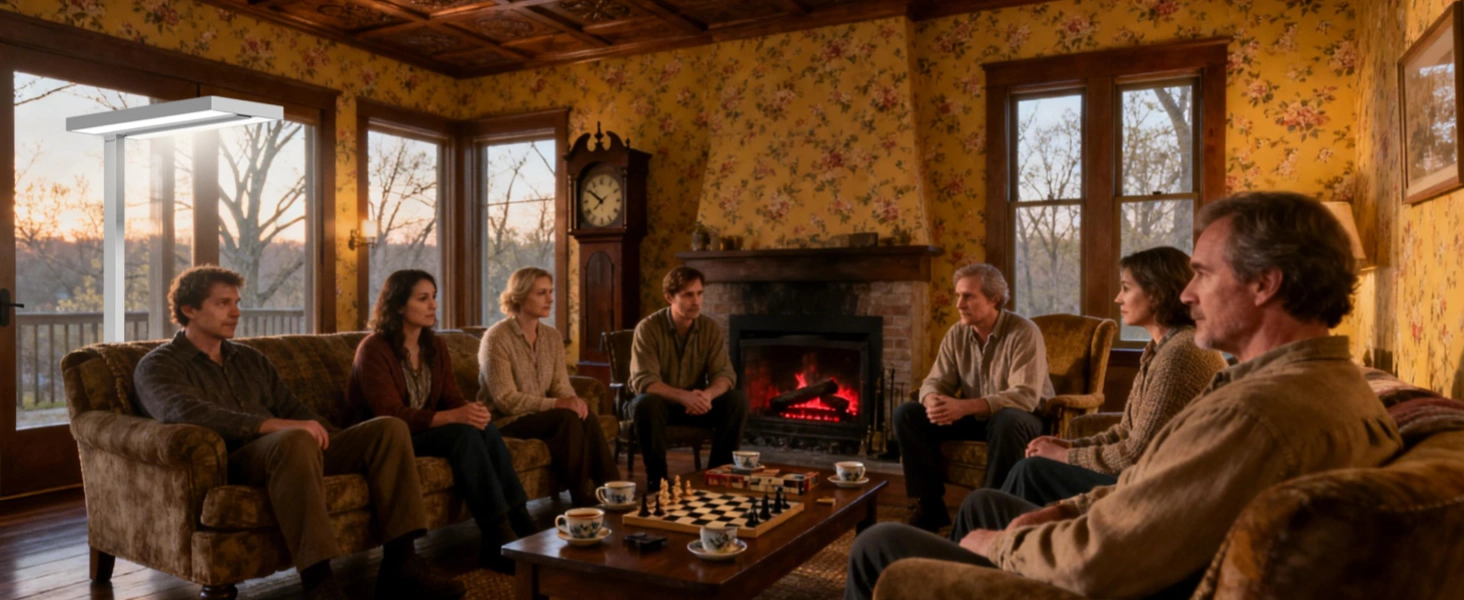
Spring evenings bring families together for dinner, homework help, and conversation. During these hours, lighting quality affects mood and interaction. Harsh overhead temporary fixtures create an institutional atmosphere, while thoughtfully designed lighting with proper diffusion creates welcoming environments. The distinction becomes especially clear during children's homework sessions, where proper illumination helps maintain focus without causing strain during prolonged reading and writing.
Social Gatherings and Entertainment
As spring brings warmer weather, homes become gathering spaces for friends and extended family. Lighting sets the tone for these interactions. Temporary solutions often offer limited brightness control, forcing hosts to choose between uncomfortably bright or insufficiently lit spaces. Premium fixtures with stepless dimming from 10% to 100% allow precise adjustment for different activities, from bright game nights to subdued conversation settings.
How to Choose a Long-Term Lighting Solution
Selecting permanent lighting requires balancing multiple factors including budget constraints, performance requirements, and spatial compatibility.
Establishing Decision Criteria
Begin by assessing room size and primary functions. Spaces under 150 square feet may function adequately with moderate output fixtures, while larger living areas, home offices, or multipurpose rooms benefit from high-output solutions providing 8,000+ lumens. Consider ceiling height as well – rooms with 9+ foot ceilings require stronger upward illumination to achieve proper ambient lighting through ceiling reflection.
Evaluate color rendering requirements based on activities. Creative work, detailed hobbies, and food preparation demand high CRI (95+) for accurate color perception. General living spaces function well with CRI above 90, though higher values improve visual comfort across all applications.
Budget considerations should account for total ownership cost rather than initial purchase price alone. A $300 fixture lasting 10+ years with minimal energy consumption costs significantly less than multiple $50 replacements requiring frequent bulb changes and consuming more electricity.
Practical Comparison Framework
| Feature | Temporary Solution | Long-Term Solution |
|---|---|---|
| Initial Cost | $50-150 | $300-800 |
| Lifespan | 1-3 years | 10+ years |
| Light Output | 2,000-4,000 lumens | 8,000-16,000 lumens |
| Color Accuracy (CRI) | 80-85 | 95-98 |
| Flicker | Present | Eliminated (0.00%) |
| Blue Light Safety | Unrated | Certified RG0 |
| Adjustability | Limited steps | Continuous 10-100% |
| Build Quality | Plastic/thin metal | Aerospace aluminum/steel |
Real-world user feedback consistently emphasizes unexpected benefits of quality lighting. Homeowners report improved sleep patterns attributed to proper evening illumination that doesn't disrupt circadian rhythms, reduced headache frequency during work and reading activities, and enhanced home aesthetics through thoughtful light distribution rather than stark overhead glare.
Conclusion: Choose for Years, Not Just for Weeks
The decision between temporary convenience and long-term lighting quality extends beyond immediate cost considerations. Quality artificial light sources maintaining CRI above 90 help maintain visual comfort and color judgment accuracy, especially when natural light is insufficient. As spring demonstrates through its dramatic shifts in natural illumination, the home lighting environment significantly impacts daily comfort, productivity, and wellbeing.
Investing in professional-grade lighting solutions like the Honeywell 02E series provides measurable benefits including reduced eye strain during extended use, consistent illumination quality across years of operation, comprehensive room coverage eliminating dark zones and harsh shadows, and true color rendering for accurate visual perception. These advantages compound over time, making quality lighting one of the most impactful home improvements for daily life quality.
Rather than viewing lighting as a temporary necessity to address quickly, approach it as a long-term investment in comfort and health. Your eyes, your productivity, and your overall home experience will reflect that decision for years to come.


