
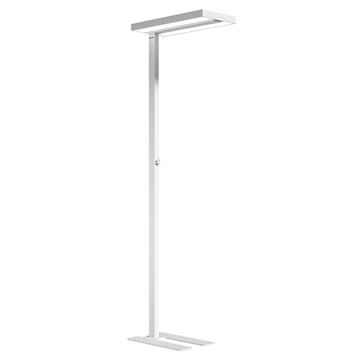


When Winter Darkness Meets Aging Eyes: The Hidden Risks at Home
Winter brings shorter days and longer nights, but for seniors living at home, the seasonal darkness creates more than just a gloomy atmosphere. The combination of reduced daylight hours, increased time spent indoors, and more frequent nighttime bathroom trips transforms everyday lighting into a critical safety concern.
During winter months, when natural light diminishes by late afternoon and seniors navigate darkened hallways multiple times each night, the risk multiplies. But beyond the immediate danger of tripping lies another challenge: harsh lighting that disrupts sleep cycles or creates uncomfortable glare can leave older adults choosing between inadequate illumination and painful brightness—neither option serving their wellbeing.
How Aging Eyes Experience Light Differently
The 70-year-old eye receives approximately one-third the light of a 20-year-old eye, even in identical lighting conditions. This isn't simply about needing reading glasses—it's a fundamental shift in how the eye processes illumination.
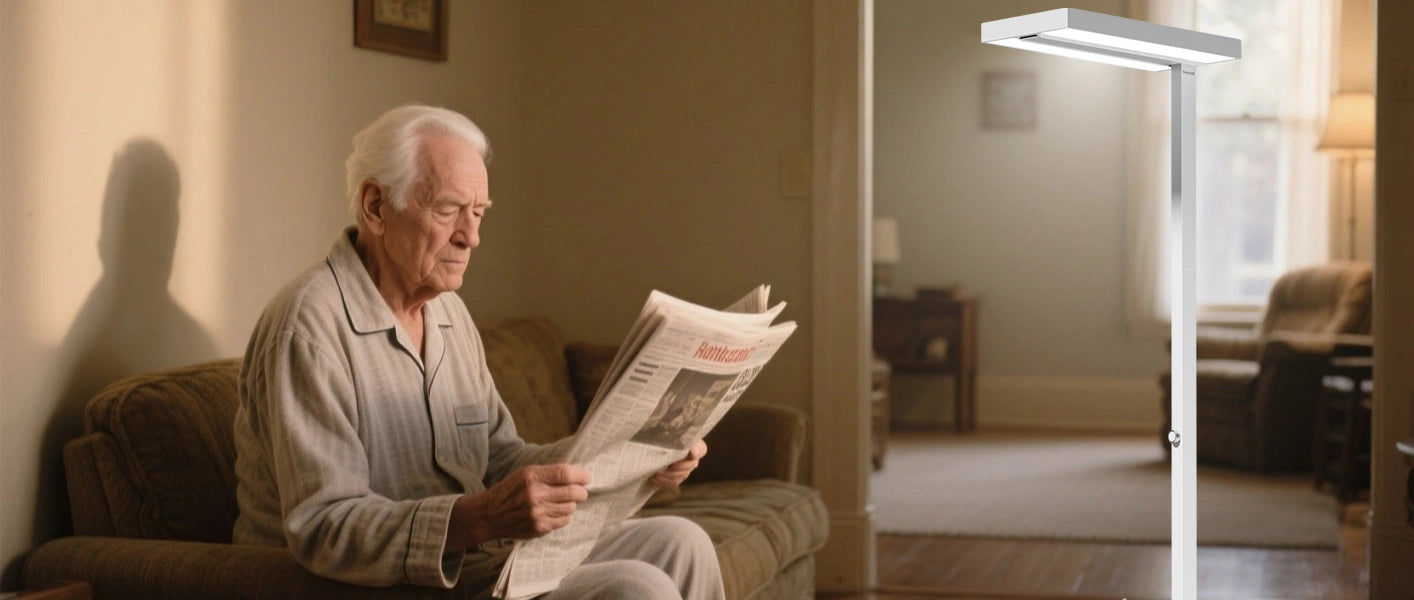
Seniors often describe their lighting frustrations in practical terms: "I can't find the lamp switch when I wake up at 3 AM," or "The overhead light hurts my eyes, but without it I can't see the newspaper." These aren't complaints about preference; they reflect genuine physiological changes. Aging eyes become increasingly sensitive to glare while simultaneously requiring more overall illumination to see clearly. The pupil's reduced ability to dilate means sudden brightness transitions—like flipping a switch in a dark bedroom—become genuinely uncomfortable, sometimes painful.
Research indicates that seniors need two to three times more light than younger adults to perform the same visual tasks comfortably, yet direct exposure to bright point sources causes significantly more discomfort. This paradox explains why many older adults under-light their homes: the available fixtures cause squinting and eye fatigue, so they simply leave lights off.
What Makes a Lamp Genuinely Senior-Friendly
Walk into most homes and you'll find lighting designed for younger eyes: pendant fixtures that create pools of shadow, directional desk lamps requiring constant adjustment, or chandeliers that sparkle beautifully but illuminate poorly. For seniors, the ideal light source operates on different principles entirely.
First, diffused illumination that eliminates direct glare matters more than raw brightness. Instead of a visible bulb creating a harsh point of light, the fixture should distribute illumination broadly, mimicking the gentle quality of natural daylight filtering through curtains. This wide-angle coverage means fewer dark corners where depth perception fails—a critical factor when navigating around furniture.
Second, simple, intuitive controls remove the frustration of complex switches or smartphone apps. A single-touch operation that restores the last-used setting eliminates the fumbling that leaves seniors struggling in darkness. Memory functions that automatically recall preferred brightness levels mean no repeated adjustments throughout the day.
Third, the physical structure should provide stable, floor-based support with sufficient height to illuminate a reading area without requiring the lamp to perch precariously on small side tables. For seniors with reduced grip strength or limited mobility, a floor lamp eliminates the reaching and grasping required to adjust table-mounted fixtures.
Strategic Lamp Placement Throughout the Home
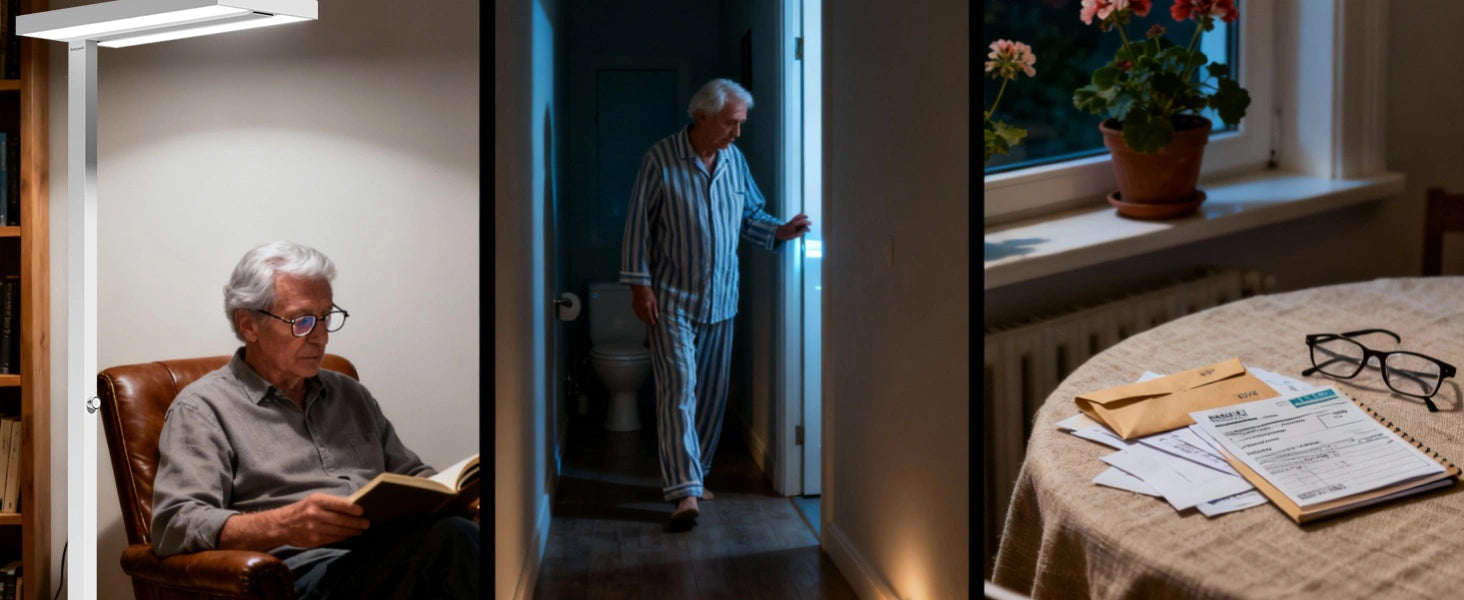
The bedside position demands careful consideration. Rather than a traditional nightstand lamp that requires reaching across a surface cluttered with medications, glasses, and reading materials, a floor lamp positioned between the bed and a reading chair serves dual purposes. It should stand tall enough that its light pool covers both the mattress edge (for nighttime reading in bed) and a nearby seating area, with controls accessible from either position.
Hallway and transitional spaces present the highest fall risk. A floor lamp placed at the junction where a hallway meets the living area—approximately 8 to 10 feet before the bathroom entrance—creates a gentle illumination gradient. This positioning allows seniors' eyes to adjust gradually as they move from bedroom darkness toward the brighter bathroom, reducing the disorientation that comes from sudden light changes.
Reading corners and hobby areas need focused illumination without creating glare on glasses or glossy magazine pages. Position the lamp slightly behind and to the side of the seating position, at a height where the light source remains above eye level when seated. The lamp's shade should direct illumination downward and outward, creating a broad pool of light rather than a narrow beam.
Avoid placing floor lamps where their cords cross walking paths, and ensure the base provides stable support even if accidentally bumped. For seniors using walkers or canes, a weighted, broad base prevents tipping better than decorative but unstable tripod designs.
Choosing Lighting Based on Real Use, Not Specifications
When selecting lighting for senior family members, the technical specifications tell only part of the story. Rather than comparing lumens and Kelvin ratings, focus on these practical questions:
Can they operate it independently in complete darkness? The control mechanism should be discoverable by touch, with clear tactile differentiation between power and brightness functions. Voice control sounds convenient but often frustrates seniors when the technology misunderstands commands.
Does it eliminate the need for multiple adjustments? A lamp that remembers preferred settings and returns to them with one touch proves infinitely more useful than one offering 20 brightness levels that require cycling through options every time it's used.
Will it remain stable during daily life? Lightweight portable lamps seem convenient until they're knocked over while reaching for a magazine. A floor lamp's weight and base design matter more than its portability for seniors who will position it once and leave it in place.
Does the light quality feel comfortable after 30 minutes of use? Bring samples home if possible, or purchase from retailers with generous return policies. What feels "bright enough" in a well-lit showroom may prove inadequate in a winter evening home environment, while harsh LED light that seems acceptable briefly may cause headaches during extended reading sessions.
Moving Forward: Winter-Ready Home Lighting
The transition from autumn to winter doesn't require a complete home renovation—often, adding one or two well-positioned floor lamps transforms the safety and comfort of spaces where seniors spend most of their time. The goal isn't to illuminate every corner like a hospital corridor but to create reliable, comfortable light exactly where daily activities occur: beside the favorite reading chair, along the nighttime path to the bathroom, near the spot where mail gets sorted and bills get paid.
Studies demonstrate that improved home lighting reduces fall rates among seniors by up to 60 percent, but the benefits extend beyond injury prevention. Better lighting supports maintained independence, reduces anxiety about navigating the home after dark, and enables the continuation of beloved activities like reading, crafting, and correspondence that make daily life meaningful.
This winter, before the season's shortest days arrive, evaluate lighting from a senior's perspective: not whether the room looks well-lit to you, but whether your aging parent or spouse can safely and comfortably navigate their spaces during the long hours of winter darkness.


