


Why Spring Inspires More Reading and Learning
Spring brings longer daylight hours and a natural shift in energy that often sparks renewed motivation for reading and learning. According to research from the American Psychological Association, seasonal changes significantly influence cognitive patterns and productivity levels. As natural light increases, many people experience heightened alertness and a stronger desire to engage in focused activities like reading.
However, this seasonal enthusiasm comes with a challenge: spring's variable natural light can actually make sustained concentration harder. Morning sunlight may be too bright and create glare on pages, while afternoon shadows shift rapidly, forcing your eyes to constantly readjust. This is where intentional lighting design becomes essential for maintaining the focus that spring inspires.
The Importance of a Dedicated Reading Corner
Creating a designated reading space serves a psychological purpose beyond comfort. Environmental psychology studies suggest that specific spaces dedicated to focused activities help the brain enter "task mode" more quickly. When you sit in your reading corner, your mind recognizes it's time to concentrate, separate from spaces associated with eating, sleeping, or screen time.
A proper reading corner requires three fundamental elements: comfortable seating positioned away from high-traffic areas, minimal visual distractions, and most critically, appropriate task lighting. Many people underestimate how significantly lighting quality affects both comprehension and reading stamina. Poor lighting doesn't just strain eyes—it can reduce reading speed by up to 20% and increase mental fatigue, according to lighting research from the Illuminating Engineering Society.
What Makes Lighting Comfortable for Reading
The best lighting for reading at home isn't simply about brightness—it's about light quality, direction, and consistency. Reading requires illumination levels between 300-500 lux at the page surface, roughly equivalent to the light from a 60-75 watt incandescent bulb positioned correctly.
Three factors determine lighting comfort for extended reading sessions:
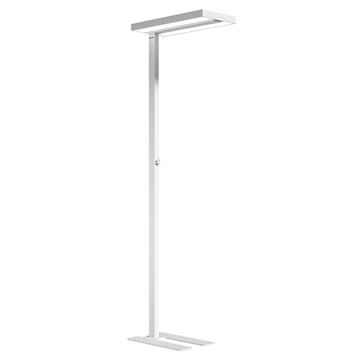
Color temperature matters significantly for focus. Cooler light (4000-5000K) enhances alertness and is ideal for analytical reading or study, while warmer tones (2700-3000K) suit leisure reading in evening hours. Quality reading lamps like the Honeywell F4 Floor Lamp offer adjustable color temperature, allowing you to match lighting to both time of day and reading purpose.
Shadow elimination prevents eye strain. Light should come from beside or slightly behind your shoulder—never directly overhead or in front, which creates shadows on the page as you lean forward. The directional design of focused reading lamps ensures light reaches the page without creating competing shadows from your hands or head.
Glare prevention protects visual comfort. Direct light sources in your field of vision cause squinting and tension. Proper reading lamps use diffusers or directional shades to control where light falls, illuminating your book without shining into your eyes.
Floor Lamp vs Desk Lamp: Choosing the Right Setup
The choice between a floor lamp for reading and a desk lamp for study depends on your space configuration and reading habits rather than one being universally superior.
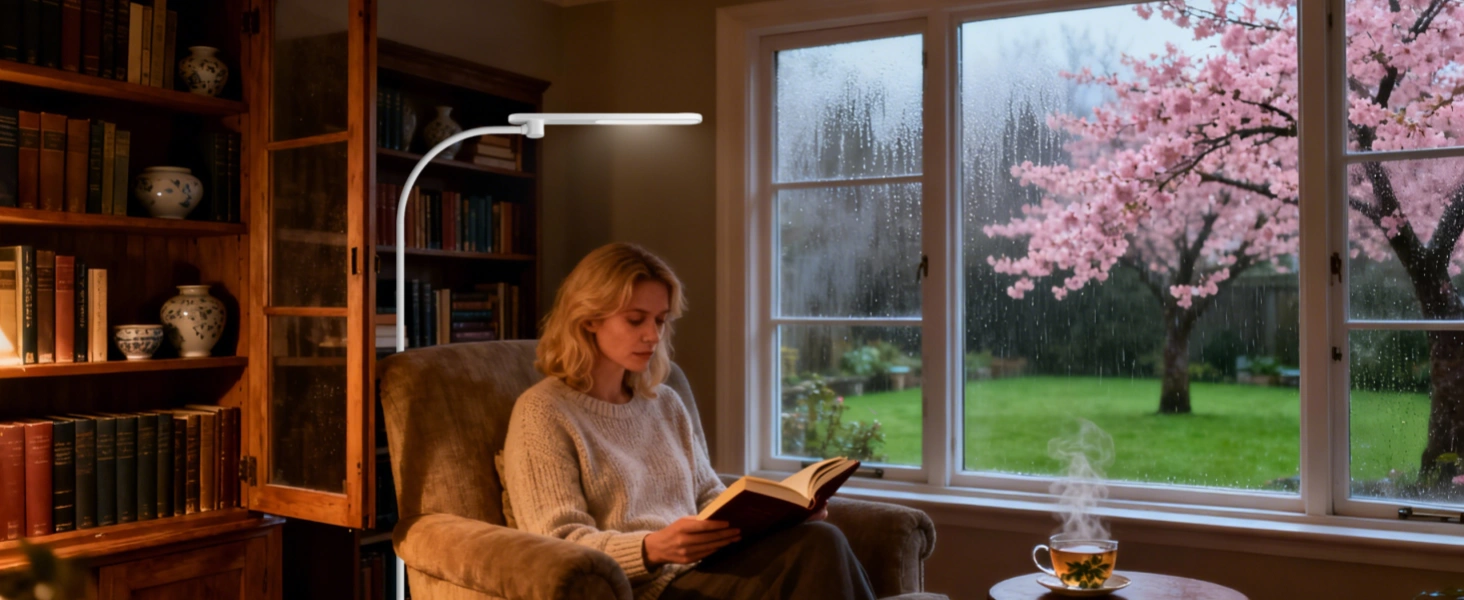
Floor reading lamps excel in flexible living spaces. The Honeywell F4 exemplifies this category with its adjustable gooseneck reaching approximately 5 feet in height, providing overhead task lighting that doesn't require desk or table space. This makes floor lamps ideal for reading chairs, sofas, or corners where you want lighting that moves with you. The elevated position also means light travels downward naturally, reducing the harsh shadows that table lamps can cast upward onto faces.
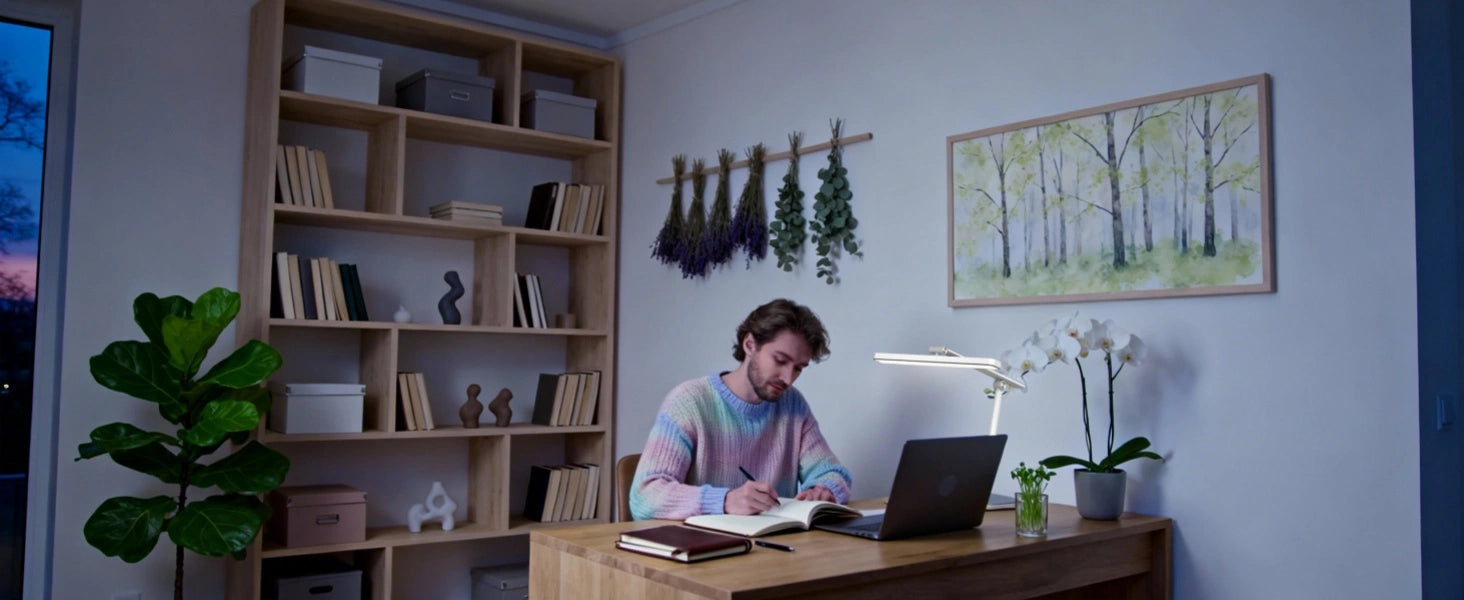
Desk lamps offer precision for detailed work. The Honeywell H4 represents effective desk-based task lighting, delivering focused illumination directly onto work surfaces. Desk lamps shine in home offices or study areas where you need consistent light for note-taking, highlighting, or switching between books and writing. Their lower profile means light stays concentrated on the task, wasting less lumens on surrounding space.
For spring home reading corner ideas, consider your primary reading posture. Do you prefer curling up in an armchair with a novel? A floor lamp positions perfectly beside you. Do you study at a desk with reference materials spread out? A desk lamp provides the concentrated workspace lighting you need.
Eye Comfort and Long Reading Sessions
Extended reading sessions demand lighting that adapts to your body's changing needs. Eye strain typically manifests after 45-60 minutes of reading under static lighting conditions, as reported by optometry research from the American Academy of Ophthalmology.
Adjustable brightness prevents fatigue as ambient light changes. Spring afternoons bring dramatic shifts in natural light levels—what feels comfortable at 2 PM may be insufficient by 5 PM. Dimmable reading lamps let you maintain optimal contrast between page and surroundings without overlighting your space.
The 20-20-20 rule applies universally: every 20 minutes, look at something 20 feet away for 20 seconds. But lighting plays a supporting role—if your reading light is properly positioned, these breaks feel natural rather than urgent. When you notice yourself squinting, rubbing your eyes, or losing your place repeatedly, lighting is usually the culprit before fatigue.
Creating a Spring-Friendly Focus Zone
Designing an effective spring reading corner means balancing seasonal inspiration with year-round functionality. Position your reading space near windows to enjoy spring's natural light during daytime hours, but ensure your reading lamp provides consistent illumination regardless of weather or time.
Layer your lighting intentionally. Your reading lamp serves as task lighting, but gentle ambient light from other sources prevents the harsh contrast of a bright reading spot in an otherwise dark room. This is especially important during spring evenings when daylight fades earlier than summer but later than winter, creating transitional lighting challenges.
Consider the color palette of your reading corner. Spring naturally suggests lighter, refreshing colors, but from a focus perspective, muted tones reduce visual distraction better than bright whites or patterns. Your lighting should be the brightest element in your focused field of vision, with surroundings providing restful contrast.
The ultimate goal is creating a space where lighting supports rather than interrupts your reading flow. When properly designed, your reading corner lighting becomes invisible—you stop noticing the lamp and simply enjoy the book, exactly as spring reading should feel.


