


Spring should be a time of renewal and energy, but for many light sleepers across North America and Europe, the season brings unexpected sleep challenges. As daylight stretches longer and temperatures shift, our bodies struggle to adjust—and bedroom lighting plays a surprisingly crucial role in either supporting or sabotaging our rest.
How Spring Disrupts Sleep Patterns
The transition into spring creates a perfect storm of sleep disruptions. According to the National Sleep Foundation, approximately 35% of adults report worse sleep quality during seasonal transitions. The culprit? Extended daylight hours that push back our natural melatonin production by 30 to 45 minutes, making it harder to wind down at our usual bedtime.
But daylight isn't the only concern. Spring allergies affect over 50 million Americans annually, according to the Asthma and Allergy Foundation of America, causing congestion and discomfort that fragment sleep. When you combine circadian rhythm shifts with physical discomfort, the bedroom environment becomes more critical than ever—and that includes how we light our spaces after sunset.
The Hidden Impact of Bedroom Lighting
Most people don't realize that artificial light exposure after 8 PM can suppress melatonin production by up to 50%, according to research published in the Journal of Clinical Endocrinology & Metabolism. This effect intensifies during spring when our bodies are already struggling to recalibrate to longer days.
The color temperature of light matters enormously. Cool white lights (above 5000K) mimic midday sunlight and signal alertness, while warm lights (2700K-3000K) support the body's natural transition toward sleep. Yet many bedrooms default to harsh overhead fixtures that flood the space with sleep-disrupting illumination.
Why Overhead Lights Are Not Sleep-Friendly
Overhead lighting creates several problems for sleep quality. First, it illuminates the entire room with uniform brightness—typically 300 to 500 lumens or more—which prevents the gradual dimming our brains need to recognize bedtime. Second, ceiling fixtures often shine directly into your field of vision when you're lying down, causing pupil constriction and alertness signals that counteract sleepiness.
For light sleepers navigating spring's already challenging sleep landscape, overhead lights compound the problem. When you need to get up during the night—whether for allergies, temperature adjustments, or other reasons—flipping on a bright ceiling light can reset your circadian clock and make it nearly impossible to fall back asleep.
The Role of Bedside and Ambient Lamps
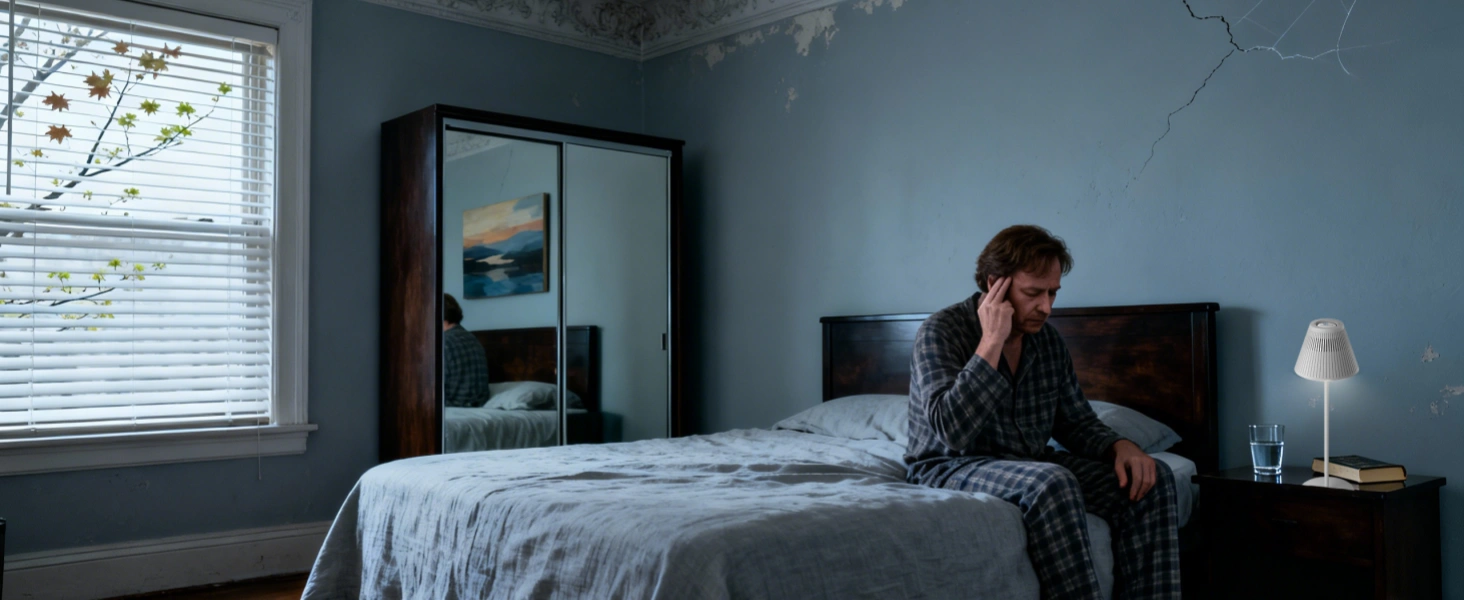
This is where strategic bedroom lighting becomes essential. A well-placed bedside lamp offers localized, controllable illumination that doesn't disturb your sleep partner or flood your retinas with alertness-inducing light. The key is choosing fixtures that emit warm, diffused light at lower intensities—typically 50 to 150 lumens for bedtime reading or nighttime navigation.
Portable, cordless options provide particular advantages during spring. The Honeywell SmartLighting M1 exemplifies this approach: a compact bedside lamp that delivers gentle, adjustable illumination without requiring permanent installation or creating visual clutter. Its portable design means you can position it exactly where needed—whether on a nightstand, dresser, or even temporarily on the floor during nighttime trips to the bathroom.
The M1's warm light output and compact 3-inch diameter footprint make it particularly suitable for small bedrooms or shared sleeping spaces where minimizing light spillage matters. Unlike overhead fixtures, you can angle it away from your partner's side of the bed or dim it to just enough light for reading medication labels or checking the time without triggering full wakefulness.
Creating a Calmer Nighttime Environment
Beyond choosing the right fixtures, creating a sleep-friendly lighting environment requires intentional habits. Start dimming lights 60 to 90 minutes before bedtime—this signals your brain that rest is approaching. Replace bright white bulbs with warm-toned alternatives throughout your bedroom, and consider eliminating blue-spectrum electronics or using night mode features.
For spring specifically, pay attention to how natural light enters your bedroom. Blackout curtains or shades can prevent early morning sun from disrupting sleep, while allowing you to open windows during the day to enjoy fresh air and natural light exposure that strengthens circadian rhythms.
Ambient night lighting serves an important function too. Instead of leaving bathroom lights on or using bright nightlights, opt for dim, warm pathway lighting that guides you safely without triggering alertness. A portable lamp like the M1 can serve double duty here—providing just enough illumination for safe movement while maintaining the darkness your brain needs for restorative sleep.
Simple Spring Bedroom Lighting Adjustments
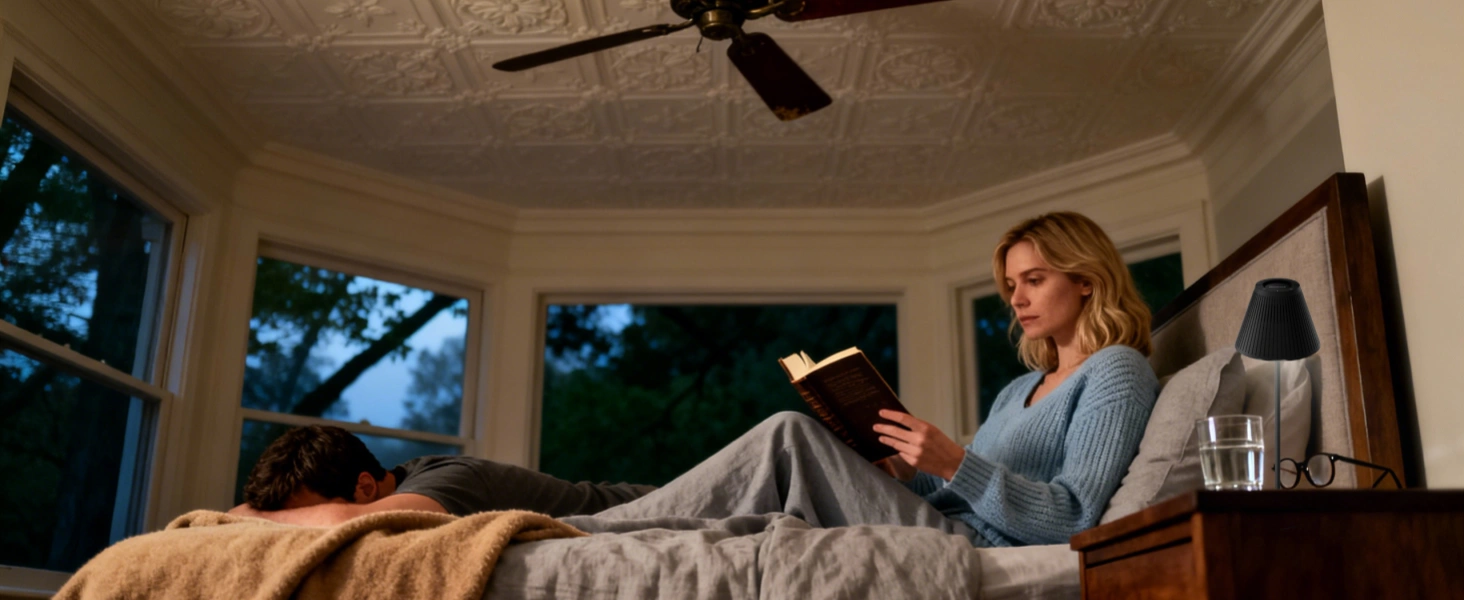
Improving your spring sleep doesn't require expensive renovations. Start by conducting a "light audit" of your bedroom. Remove unnecessary light sources, cover LED indicators on electronics, and replace any cool-white bulbs with warm alternatives. Position your bedside lamp 12 to 18 inches away from your pillow to avoid direct eye exposure while still providing adequate task lighting.
Consider establishing a "no overhead lights after 9 PM" rule, relying instead on bedside lamps for evening activities. This single change can significantly impact sleep onset time. For light sleepers who wake frequently, keep a portable, dimmable light within arm's reach rather than fumbling for wall switches that activate disruptive ceiling fixtures.
Finally, embrace flexibility. Spring weather fluctuates, and your lighting needs may vary from night to night. Portable, cordless lighting solutions adapt to these changes—whether you're dealing with a stuffy room requiring open windows and adjusted furniture placement, or simply want to read in bed without disturbing a partner who's already asleep.
The seasonal transition into spring doesn't have to mean sacrificing sleep quality. By understanding how lighting affects your circadian rhythms and making strategic adjustments to your bedroom environment, you can support your body's natural rest patterns even as daylight hours expand. Sometimes the simplest changes—like swapping harsh overhead lights for gentle bedside illumination—create the most meaningful improvements in how we sleep through spring and beyond.


