


Why Spring Changes How We Use the Living Room
As daylight extends and temperatures warm, the living room transforms from a winter cocoon into a dynamic hub of family activity. According to the survey, families spend approximately 2.5 hours more per week in shared living spaces during spring months compared to winter. Children transition from hibernating in bedrooms to sprawling across the floor with art projects, friends drop by for spontaneous gatherings, and evenings shift from heavy curtains to open windows welcoming natural light until 8 PM.
Yet most living rooms still rely on the same lighting setup designed for February's dark evenings—a single overhead fixture that floods the space with uniform brightness. This mismatch between seasonal lifestyle changes and static lighting creates missed opportunities for comfort, functionality, and atmosphere in what should be your home's most adaptable space.
The Problem with Single-Source Lighting
Traditional ceiling-mounted fixtures—whether recessed cans or pendant lights—deliver light from one direction: straight down. This creates harsh shadows under furniture, flattens the room's dimensional character, and offers zero flexibility. When your daughter spreads homework across the coffee table at 4 PM, that same overhead brightness that worked for evening TV becomes glaring and uncomfortable. When friends arrive at 7 PM for wine and conversation, you're left choosing between "operating room" or "cave."
The American Lighting Association notes that 68% of homes still depend primarily on overhead lighting in main living areas, despite research showing that layered lighting significantly impacts perceived comfort and usability. Single-source lighting also forces compromise: too bright for relaxation, too dim for tasks, and incapable of creating the subtle ambiance that makes guests feel genuinely welcome.
Three Core Lighting Needs of a Family Living Room
Social Gatherings & Conversation
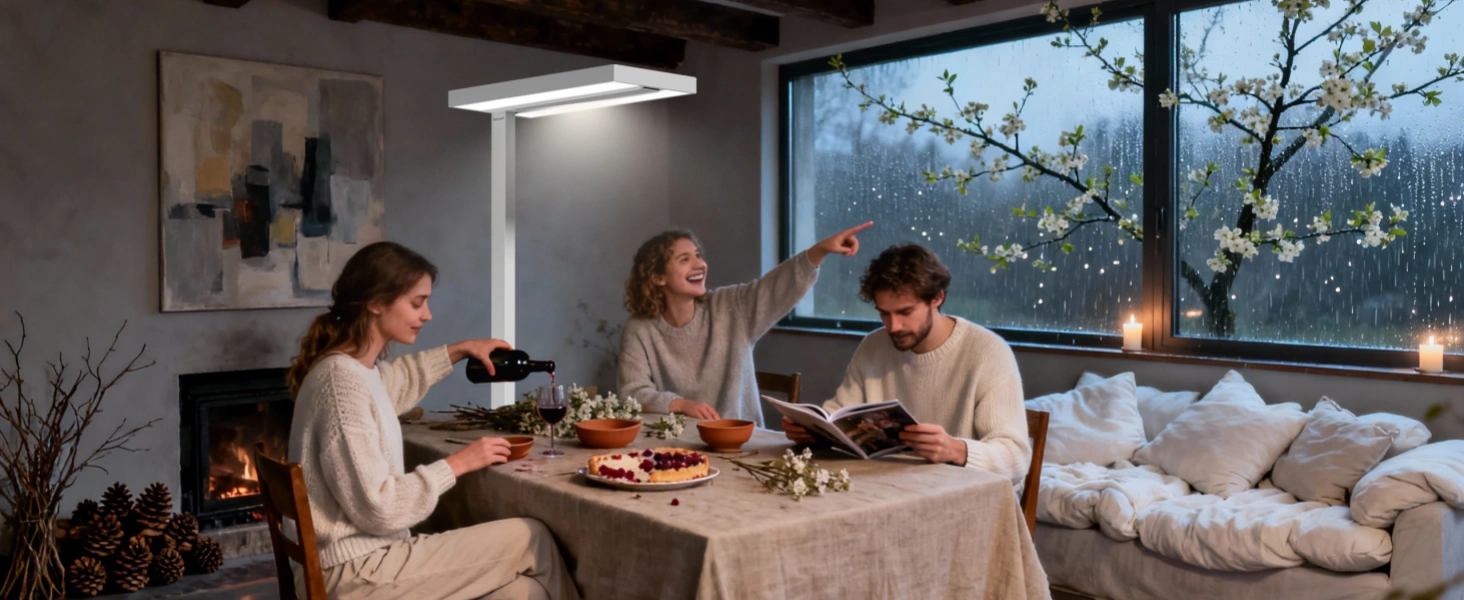
When hosting, you need balanced illumination that lights faces without creating glare or harsh shadows. Eye-level lighting—whether from wall sconces, table lamps, or properly designed floor lamps—creates a welcoming glow that encourages connection. Studies in environmental psychology demonstrate that indirect lighting at conversational height increases perceived warmth and comfort during social interactions by approximately 40% compared to overhead-only schemes.
Daily Activities & Focused Tasks
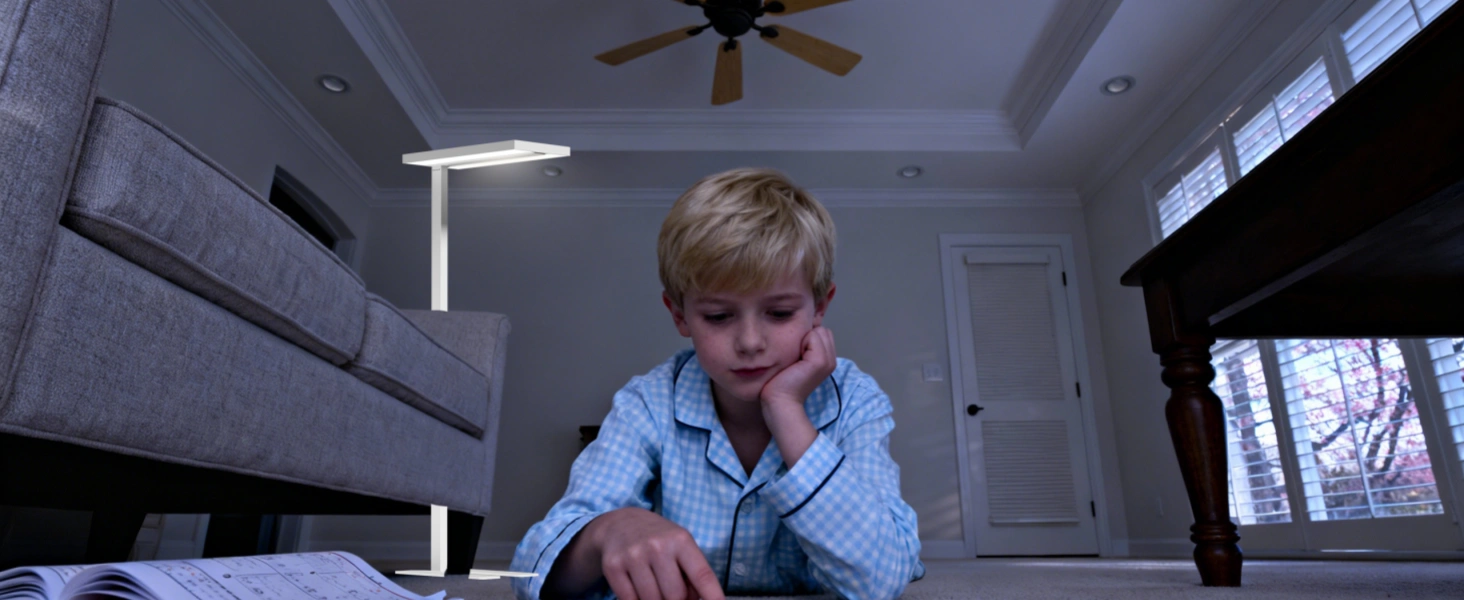
From homework sessions to board games, spring afternoons demand task-appropriate lighting. Children sprawled on the floor need downward illumination without ceiling glare on tablets or glossy paper. Reading corners require focused light that doesn't disturb others watching TV across the room. Flexibility becomes essential when one space serves multiple simultaneous functions.
Evening Relaxation & Entertainment
As spring nights arrive later but cooler, the living room becomes a retreat. Movie nights require minimal direct light but enough ambient glow to navigate safely. Wind-down routines before bed benefit from warm, dimmed lighting that signals the body to prepare for rest—something harsh overhead LEDs actively disrupt, according to research from the Lighting Research Center.
Advantages of Up-and-Down Lighting
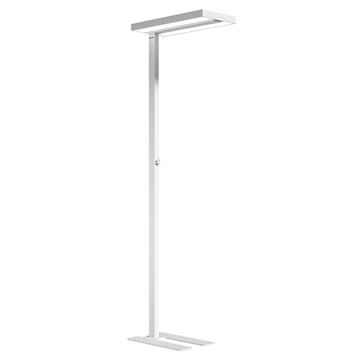
Bi-directional floor lamps—fixtures that cast light both toward the ceiling and downward toward the floor—solve the single-source problem through intelligent light distribution. The upward component bounces soft, diffused illumination off the ceiling, creating an ambient wash that eliminates harsh shadows and makes rooms feel larger and more inviting. This reflected light mimics the quality of natural daylight far better than direct downlights.
The downward component provides focused task lighting exactly where needed: beside the sofa for reading, near the armchair for knitting, or flanking a conversation area for subtle definition. The Honeywell SmartLighting 02E family floor lamp exemplifies this approach, offering independently controllable upper and lower light sources that can be adjusted for intensity and warmth.
This dual-direction design delivers three key benefits. First, it creates depth—rooms appear three-dimensional rather than flat. Second, it provides adaptability without cluttering the space with multiple fixtures. Third, it offers energy efficiency by allowing you to light only what you need; instead of flooding 250 square feet with 1,500 lumens, you direct 3376 lumens precisely where activity occurs.
One Lamp, Multiple Moods
The magic of well-designed family floor lamps lies in their ability to transform a single space throughout the day without physical changes. At 3 PM, when children return from school, full downward lighting supports homework and crafts while upward ambient light prevents eye strain. By 6 PM, balancing both directions at 60% creates a welcoming environment for family dinner conversations that naturally extend into the living room.
Smart controls amplify this flexibility. The 02E's app-based adjustments allow saving preferred scenes—"Homework," "Entertaining," "Movie Night," "Reading"—recallable with a single tap. Scheduling ensures lighting automatically adapts as spring sunset times shift 2-3 minutes daily, maintaining consistent ambiance without manual intervention.
Spring Lighting Tips for Family Homes
Layer strategically, not excessively. Rather than adding six table lamps, start with one quality bi-directional floor lamp positioned between the sofa and primary seating area. This single fixture can effectively light 150-200 square feet when properly placed.
Position for reflection. Place floor lamps 12-18 inches from walls to maximize uplight bounce. Avoid corners where reflected light gets trapped; instead, position fixtures near wall midpoints for optimal distribution.
Test before committing to permanent fixtures. Floor lamps offer the advantage of mobility. Spend a week experimenting with placement during different activities before drilling holes for sconces or installing track lighting.
Spring's arrival doesn't require a complete lighting overhaul—just a smarter approach to the fixtures you choose. By understanding how your family actually uses the living room during longer, more active days, and selecting lighting that adapts rather than dictates, you create a space that truly serves everyone from morning homework to evening laughter.


