
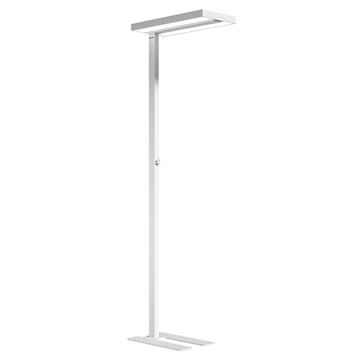


In the world of minimalist living, where every object must earn its place, lighting decisions reveal a fundamental tension: the allure of aesthetically striking fixtures versus the necessity of functional illumination. As spring approaches and homeowners refresh their living environments, this balance becomes particularly relevant. A beautifully sculptural lamp that casts inadequate light or creates visual discomfort ultimately contradicts minimalist principles—no matter how social platform-worthy it appears.
Design Appeal vs. Daily Utility: A Minimalist's Priority Framework
The Beauty-Function Balance Philosophy
Minimalism isn't about deprivation—it's about intentionality. When selecting lighting for minimalist spaces, the question shouldn't be "Does this look good?" but rather "Does this serve my life well?" European design philosophy has long emphasized that true elegance emerges when form follows function seamlessly. A floor lamp occupying 3-4 square feet of space must justify its footprint through both visual contribution and practical performance.
Research from leading design institutions suggests that lighting satisfaction correlates more strongly with functional performance than aesthetic appeal after the first three months of ownership. The initial visual excitement fades, but daily usability—or frustration—persists. For minimalist homes, where fewer objects mean each one carries greater importance, this distinction becomes critical.
Visual Comfort Principles in Minimalist Spaces
Minimalist interiors typically feature neutral palettes, clean lines, and uncluttered surfaces—characteristics that make lighting quality exceptionally visible. Poor light distribution, harsh shadows, or inconsistent color rendering become immediately apparent against white walls and simple furnishings. Spring's longer daylight hours create additional challenges, as artificial lighting must transition seamlessly from supplementing natural light to providing complete illumination as evenings progress.
The concept of "visual rest" matters deeply in minimalist design. Spaces should allow eyes to relax rather than constantly adjust to varying light conditions. This requires careful consideration of light stability, distribution patterns, and how fixtures integrate with architectural elements.
Aesthetic Sensitivity Meets Rational Selection
Evaluating Long-Term Value in Lighting Choices
When assessing whether a lighting fixture offers lasting value, consider these practical criteria: Does it provide adequate illumination for intended activities? Can it adapt to seasonal needs? Will its output remain consistent over time? Does it complement rather than compete with other design elements?
Spring design updates often emphasize airy aesthetics and natural connections, but seasonal trends shouldn't override functional requirements. A fixture selected primarily for its spring-appropriate appearance may prove inadequate during darker winter months. True minimalist wisdom lies in choosing pieces that perform reliably across all seasons while maintaining visual coherence.
Consider the total cost of ownership beyond initial purchase price. Energy efficiency, bulb replacement frequency, and durability factor into long-term value. A floor lamp weighing 33-34 pounds with substantial construction may cost more initially but offers stability and longevity that lightweight trendy alternatives cannot match.
Spring Design Refresh with Function Intact
Spring naturally inspires lighter, brighter living environments. However, achieving spring aesthetics doesn't require sacrificing lighting performance. The key lies in understanding how light quality—not just fixture design—contributes to seasonal ambiance. Clean, consistent illumination enhances the sense of freshness and renewal without relying solely on decorative elements.
When updating lighting for spring, prioritize fixtures that enhance rather than decorate. Select pieces that direct light purposefully, minimize glare, and create the visual environment you need for reading, working, or relaxing. The fixture itself should recede visually while its light transforms the space.
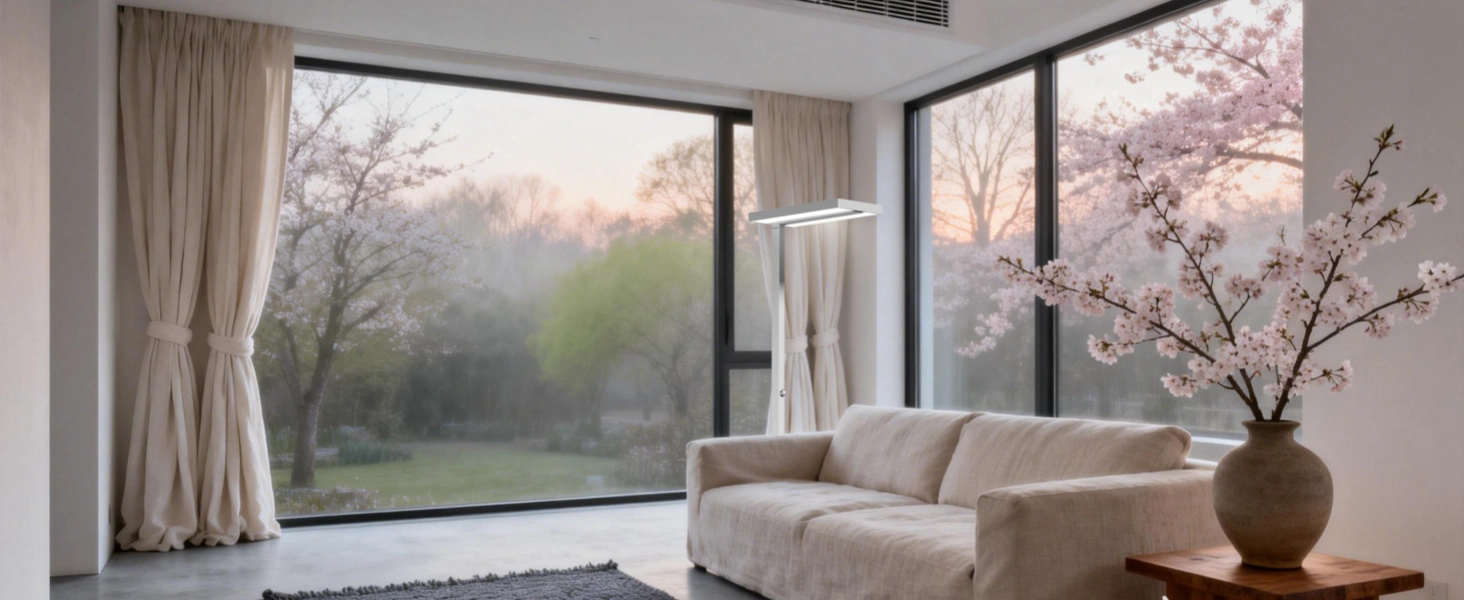
Why Stable Light Matters in Minimalist Households
Daily Experience and Light Quality Connection
Stable lighting—illumination that maintains consistent output, color temperature, and intensity—dramatically impacts daily comfort in ways many homeowners don't immediately recognize. Flickering, color shifting, or dimming over time creates subtle visual stress that accumulates throughout the day. University research on environmental psychology indicates that lighting inconsistency contributes to eye fatigue, reduced concentration, and even mood disruption.
For minimalist spaces where lighting fixtures are fewer but more prominent, each source must perform reliably. Unlike maximalist interiors where multiple light sources can compensate for individual inadequacies, minimalist homes depend on each fixture to fulfill its role completely. A single poorly performing floor lamp in a reading corner cannot be easily supplemented without compromising the intentional simplicity of the space.
Stable light also means predictable performance across the fixture's lifespan. Quality degradation that occurs gradually may go unnoticed until the lighting environment has significantly deteriorated. Selecting fixtures designed for consistent long-term performance aligns with minimalist values of buying once and buying well.
Spring Activity Patterns and Lighting Needs
Spring typically brings increased activity as people emerge from winter's indoor focus. Home spaces serve multiple functions—work, exercise, hobbies, socializing—each with distinct lighting requirements. Morning routines benefit from bright, clear light that supports alertness. Evening relaxation calls for softer, comfortable illumination that facilitates unwinding.
The transition hours of spring evenings, when natural light fades but darkness hasn't fully arrived, pose particular challenges. Lighting must bridge this gap smoothly without creating harsh contrasts. Stable, well-designed fixtures provide appropriate illumination regardless of time or season, eliminating the need to constantly adjust or supplement with additional sources.
Avoiding Aesthetic Traps: Real-World Comparisons
Light Distribution and Visual Experience
Consider two floor lamps: one an architectural statement piece with exposed bulbs and dramatic angles, the other a thoughtfully engineered design with integrated diffusion and directional control. The first photographs beautifully but creates glare spots and leaves corners in shadow. The second may appear simpler but fills the space with usable light that supports actual living.
Minimalist interior case studies reveal a common pattern: homeowners initially drawn to visually striking fixtures often replace them within 18-24 months due to functional shortcomings. Meanwhile, those who prioritize performance alongside aesthetics report sustained satisfaction. The difference lies in understanding that in minimalist spaces, light quality itself becomes a design element.
Proper light distribution means illumination reaches where you need it without creating problematic contrasts. A reading lamp should light the page without casting your body's shadow across it. Ambient lighting should fill the room uniformly rather than creating pools of brightness separated by dim zones. These functional considerations ultimately determine whether a space feels comfortable and useful or merely looks good in photographs.
Color Temperature, Brightness, and Spatial Perception
Color temperature profoundly affects how we perceive minimalist spaces. Many homeowners gravitate toward very warm (2700K-3000K) or very cool (5000K+) light based on aesthetic preferences without considering functional implications. Research from lighting design journals suggests that mid-range color temperatures around 4000K often provide optimal versatility, supporting both task performance and visual comfort.
This temperature range approximates natural daylight during productive hours, helping maintain circadian rhythms while providing excellent color rendering. For minimalist spaces where material textures and subtle color variations matter, accurate color rendering ensures that carefully selected finishes appear as intended. A sophisticated gray wall shouldn't appear muddy under poor lighting, nor should natural wood tones look artificially orange or yellow.
Brightness requirements vary by activity and personal preference, but adequate illumination is non-negotiable. Insufficient light forces visual strain and limits how spaces can be used. Conversely, excessive brightness creates discomfort and harsh shadows. Balanced illumination appropriate to space size and function enables the room to serve its intended purposes comfortably.
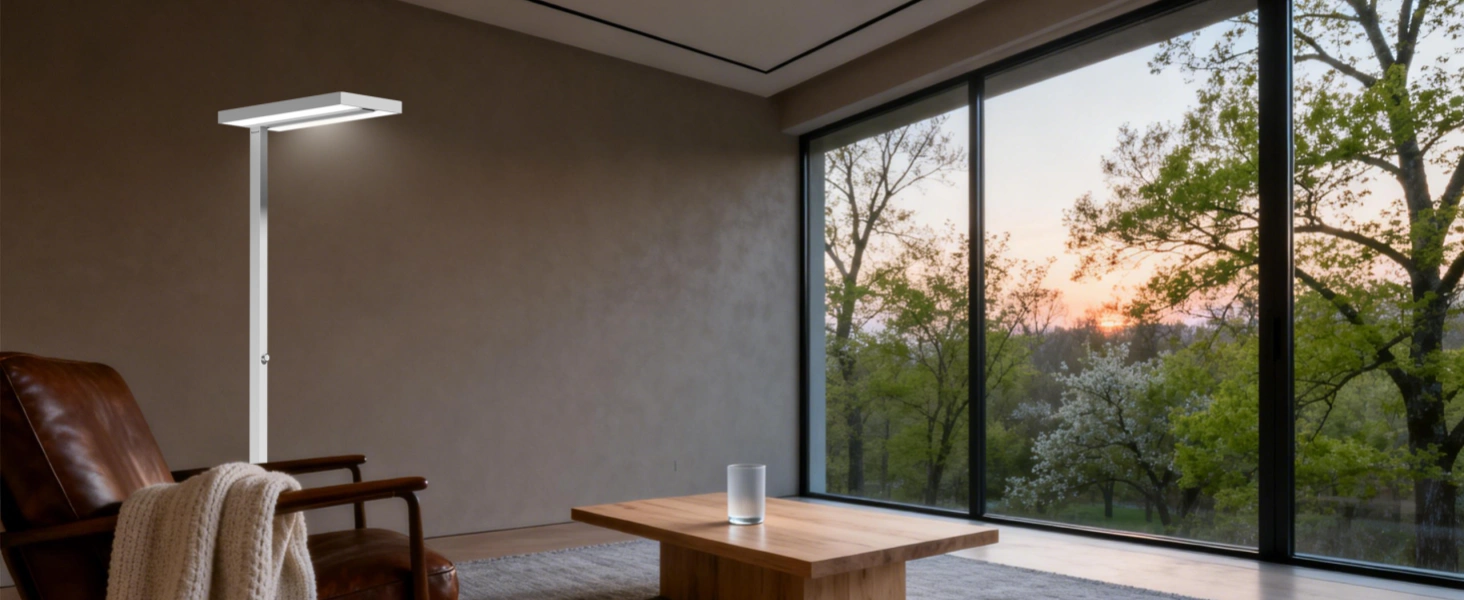
Creating Functional Yet Beautiful Spring Lighting Schemes
Strategic Lighting Approach and Priorities
Begin lighting planning by identifying actual needs: reading corners require focused task lighting, workspaces need broad, even illumination, and living areas benefit from layered ambient light. In minimalist homes, this typically translates to fewer, higher-quality sources rather than numerous mediocre fixtures.
Prioritize flexibility without complexity. Adjustable elements should serve clear purposes—directing light where needed for different activities—rather than offering adjustment for its own sake. A well-positioned floor lamp with thoughtful design eliminates the need for multiple supplementary lights that clutter the space both physically and visually.
Consider how lighting integrates with architectural features. In minimalist spaces, light can define zones and create visual interest without additional decorative objects. A properly placed floor lamp can anchor a seating area, provide functional illumination, and contribute to the room's visual balance simultaneously.
Minimalist Home Lighting Configuration Recommendations
For typical minimalist living spaces of 200-300 square feet, a primary floor lamp providing 800-1200 lumens establishes foundational ambient lighting. Position this where it serves multiple purposes—near seating for reading, but angled to illuminate broader areas for general activities. Supplement with task-specific lighting only where genuinely needed, such as workstations or detailed hobby areas.
Spring's natural light abundance means artificial lighting primarily serves morning and evening hours. Select fixtures that complement rather than compete with daylight. During transition times, lighting should feel natural and unobtrusive—present but not prominent. This requires attention to light quality and distribution rather than fixture style.
In minimalist bedrooms, single high-quality sources often outperform multiple weaker lights. A substantial floor lamp can replace both overhead lighting and reading lamps, reducing visual clutter while improving functionality. The key lies in selecting fixtures with sufficient output and appropriate positioning.
The Honeywell 02E floor lamp exemplifies practical minimalist lighting design with its substantial 33.8-pound construction providing stability and presence without visual heaviness. Its engineering focuses on delivering consistent, quality illumination that supports daily activities across seasons—a approach that aligns perfectly with minimalist priorities of purposeful, enduring design.


