


Minimalist interiors have become synonymous with clean lines, neutral palettes, and carefully curated objects. Yet many homeowners discover a paradox: their space looks pristine but feels uncomfortable. The culprit often isn't visible clutter—it's the absence of thoughtful lighting layers. As spring arrives with its extended daylight hours and shifting activity patterns, understanding how to create lighting layers in a minimalist home becomes essential for both aesthetic harmony and functional comfort.
What Is Invisible Clutter?
Space and Light's Psychological Impact
Invisible clutter refers to the sensory discomfort created by poorly designed environments, even when physical objects are minimal. Research from environmental psychology suggests that lighting quality significantly affects our perception of space and emotional well-being. A room bathed in harsh overhead light creates visual flatness, eliminating the depth and texture that make spaces feel inviting.
In minimalist homes, where decorative elements are intentionally sparse, lighting becomes the primary tool for creating spatial definition. Without proper layering, even the most carefully designed room can feel sterile or institutional—a phenomenon interior designers call "visual monotony."
Common Problems in Minimalist-But-Uncomfortable Spaces
The most frequent issue is over-reliance on a single ceiling fixture. This approach creates uniform illumination that eliminates shadows entirely, paradoxically making rooms feel smaller and less dynamic. During spring evenings when natural light fades earlier than winter but hasn't yet reached summer's extended glow, this single-source approach leaves homeowners toggling between too-bright or too-dim conditions.
Another challenge emerges during seasonal transitions. Spring activities—morning yoga sessions catching early sunlight, afternoon reading near windows, evening gatherings as temperatures warm—demand flexible lighting that a single fixture cannot provide. The result is a space that looks minimalist but functions poorly across different times of day and activities.

Lighting Layer Fundamentals
Ambient Light's Role
Ambient lighting provides overall illumination, establishing baseline visibility throughout a space. In minimalist homes, this layer should be subtle rather than dominant. Think of it as the foundation—necessary but not the entire story. Ceiling-mounted fixtures or recessed lighting typically serve this function, ideally controlled by dimmers to adjust intensity as daylight conditions change throughout spring's variable hours.
The key principle: ambient light should eliminate harsh shadows without flattening the space. Aim for even distribution that allows you to navigate safely while leaving room for other layers to create interest and depth.
Accent Lighting's Atmospheric Adjustment
Accent lighting introduces visual hierarchy and mood. In spaces without artwork or decorative objects, accent lights can highlight architectural features—a textured wall, built-in shelving, or the junction between different materials. During spring, when homes transition from cozy winter modes to airier seasonal settings, accent lighting helps maintain warmth as heavier textiles and darker colors are put away.
This layer operates at lower intensities than ambient light, creating pools of illumination that guide the eye and establish focal points. In minimalist interiors, this technique prevents the "empty box" feeling that sometimes accompanies sparse decoration.
Task Lighting's Focused Support
Task lighting serves specific activities: reading, cooking, desk work, or grooming. This layer is particularly crucial in minimalist homes, where multifunctional spaces are common. A living area might serve as a reading nook in the morning, a workspace in the afternoon, and an entertainment zone in the evening.
Effective task lighting concentrates illumination precisely where needed, reducing eye strain and improving functionality. Spring's lengthening days often mean starting activities earlier or extending them later, making adaptable task lighting essential for maintaining comfort across changing schedules.
Fewer Fixtures ≠ Single Light Source
Combining Limited Fixtures for Multi-Layered Needs
Minimalism doesn't require sacrificing lighting complexity. Strategic placement of three to five well-chosen fixtures can create comprehensive layered lighting while maintaining visual simplicity. The approach involves selecting fixtures that serve multiple functions or can be repositioned as needs change.
Consider a spring living room configuration: one ceiling fixture with dimming capability provides ambient light, a sculptural floor lamp offers both accent and task lighting near a reading chair, and under-shelf LED strips add subtle accent lighting to built-in storage. This three-fixture setup delivers complete lighting layers without visual clutter.
Real-World Examples
Spring Evening Reading: As daylight fades around 7 PM, dim the ambient ceiling light to 40% and activate a directional floor lamp positioned beside your reading chair. The combination provides sufficient task illumination while maintaining a relaxed atmosphere that honors the transitional hour between day and evening.
Morning Stretching Routine: Utilize only accent lighting—perhaps those under-shelf LEDs mentioned earlier—to create a calm environment that complements natural morning light streaming through windows. This minimal approach energizes without overwhelming, ideal for mindful movement practices.

Evening Gatherings: Increase ambient lighting to 60-70% while adding accent lighting to highlight architectural features or plants. Avoid task lighting entirely, allowing the space to feel social and relaxed. The layered approach creates visual interest without requiring additional decorative objects.
How Lighting Replaces Decorative Presence
Light as Sculptural Element
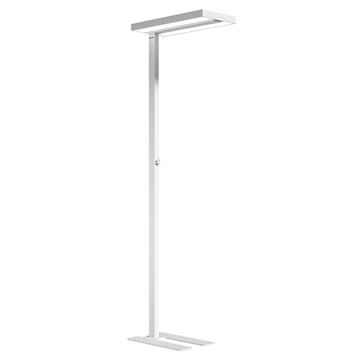
In spaces devoid of wall art or ornamental objects, light itself becomes the primary design element. The interplay between illuminated and shadowed areas creates depth that decorative items would otherwise provide. Quality fixtures—like the Honeywell 02E, which features Sunturalux technology to replicate natural daylight at 4000K—function as both functional tools and design statements.
This fixture's consistent color temperature mimics Greenwich mean time's 10 AM natural light, providing biological benefits while serving as a sleek architectural element. At 33.8 pounds, it's substantial enough to feel permanent and considered rather than temporary or makeshift.
Establishing Spatial Focus Through Light
Without furniture arrangements, artwork, or decorative accessories to guide attention, lighting establishes where the eye should rest. A well-placed accent light can transform an empty corner into a destination, while task lighting defines activity zones without physical barriers.
During spring, when increased natural light makes artificial lighting seem less critical during daytime hours, this function becomes especially important for evening hours. Properly layered lighting prevents the jarring transition from abundant daylight to inadequate artificial illumination that characterizes poorly planned minimalist spaces.
Spring Lighting Configuration Guide for Minimalist Homes
Zoned Lighting Strategy
Divide your home into functional zones based on activities rather than room names. A "relaxation zone" might span part of the bedroom and living area; a "productivity zone" could include kitchen counters and a desk area. Within each zone, implement all three lighting layers at appropriate scales.
For spring specifically, consider how changing daylight affects each zone. North-facing areas that receive little direct sunlight benefit from warmer accent lighting to maintain comfort, while south-facing spaces might need only task and minimal ambient lighting until later evening hours.
Budget and Fixture Selection Considerations
Quality over quantity remains the guiding principle. Invest in fewer fixtures with superior light quality, dimming capability, and timeless design. Look for fixtures offering color temperature consistency—critical for minimalist spaces where lighting quality is immediately apparent against unadorned surfaces.
Prioritize fixtures with adjustable positioning or directional capability, allowing you to modify lighting configurations as spring activities and natural light patterns shift. Avoid trendy designs that might feel dated; minimalist spaces demand lighting that will remain visually appropriate for years.
Consider integrated solutions that reduce visible complexity while delivering layered functionality. Smart lighting systems allow single fixtures to serve multiple roles through programmable scenes, particularly valuable for maintaining minimalist aesthetics while achieving sophisticated lighting control.


