


Minimalism isn't about owning less—it's about owning better. This distinction becomes especially critical when selecting lighting fixtures, items we interact with multiple times daily and expect to function reliably for years. As spring prompts many households to reassess their possessions, understanding the intersection of durability, functionality, and intentional design in lighting choices can prevent the cycle of aesthetic fatigue and frequent replacement that contradicts minimalist principles.
1. Where Minimalism Meets Anti-Consumerism
The minimalist movement often gets mischaracterized as simply reducing quantity. In reality, authentic minimalism emphasizes intentional ownership—selecting items that deliver sustained value rather than temporary satisfaction. A 2023 consumer behavior study from a leading European university found that households replacing decorative items (including lighting) more than once every three years reported lower satisfaction with their living spaces compared to those maintaining consistent, quality selections.
When applied to home lighting, this philosophy challenges the trend of seasonal décor updates. Instead of acquiring multiple budget fixtures that align with changing trends, investing in one well-engineered lamp that performs consistently over a decade represents genuine minimalist thinking. The financial math supports this: a quality floor lamp at $400 used for 10 years costs $40 annually, while three $150 lamps replaced every three years cost $50 annually—beyond the environmental cost of manufacturing and disposal.
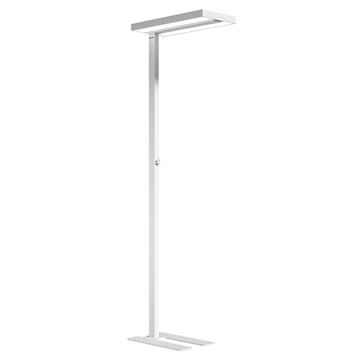
The Honeywell 02E exemplifies this long-term investment approach, weighing 33.8 pounds with construction designed for durability rather than disposability. Its substantial build quality signals an engineered product meant to occupy your space for years, not months.
2. The Line Between Multifunction and Overdesign
True functionality solves actual problems in your daily routine. Overdesign creates solutions for problems you don't have, adding complexity that compromises core performance. In lighting, this distinction appears in features like smartphone apps controlling 47 color modes you'll never use, versus straightforward dimming that you'll adjust twice daily.
Consider these questions when evaluating a lamp's features: Does adjustable brightness improve your reading experience, or is it simply a spec sheet talking point? Can you access essential controls without consulting a manual? Will this feature matter in two years, or just during the first week of ownership?
Research from lighting design professionals indicates that households typically use fewer than three brightness settings regularly, regardless of how many options their fixtures offer. The meaningful multifunction features include: adjustable height for different tasks, directing light where needed without repositioning the entire fixture, and energy efficiency that reduces operating costs.
The obsession with "smart" features often masks fundamental lighting quality. A fixture might offer voice control and scheduling but deliver poor color rendering that makes reading uncomfortable or food appear unappetizing. Prioritize optical performance—light quality, distribution, and consistency—before considering technological additions.

3. Parameter Noise: Common Specification Traps
Lighting product pages overflow with technical specifications, but not all numbers carry equal weight. Understanding which parameters affect your daily experience versus which serve primarily as marketing differentiation helps cut through the noise.
Meaningful parameters include:
- Lumens output: Directly determines brightness levels and task suitability. For reading or detailed work, aim for 450-750 lumens in a focused beam.
- Color Rendering Index (CRI): Values above 90 reveal colors accurately, crucial for spaces where you evaluate clothing, art, or prepare food.
- Rated lifespan: LED fixtures claiming 25,000-50,000 hours translate to roughly 10-20 years of typical use—genuine long-term value.
- Weight and material composition: Heavier fixtures with metal construction generally indicate quality components and longevity.
Marketing noise includes:
- Excessive color temperature ranges (2700K-6500K) when most people prefer one consistent temperature
- Dozens of preset "scenes" or "moods" rarely used after initial setup
- App connectivity without clear functional advantage over physical controls
- Vague terms like "advanced technology" or "premium quality" without supporting specifications
The Honeywell 02E takes an interesting approach by fixing color temperature at 4000K—mimicking natural daylight at 10 AM in Greenwich. This isn't a limitation but a deliberate choice prioritizing consistent, high-quality illumination over adjustability you likely wouldn't use. Its Sunturalux patented chip focuses engineering resources on replicating natural light characteristics rather than offering unnecessary color variations.
4. Aesthetic Fatigue and the Replacement Trap
Spring cleaning often triggers the impulse to "refresh" spaces, and lighting fixtures become easy targets for updates. However, aesthetic fatigue—that restless feeling that your décor needs changing—often stems from inconsistency and visual clutter rather than individual item obsolescence.
A university environmental psychology study found that households with fewer, higher-quality furnishings reported greater long-term satisfaction with their spaces compared to those frequently rotating budget items. The researchers noted that consistent visual environments allow the brain to relax, while constantly changing elements create low-level stress even if we don't consciously notice.
Before replacing a functional lamp because it "feels dated," consider whether the issue is the fixture itself or its relationship to surrounding elements. Often, removing one cluttered element or adjusting placement creates the freshness you're seeking without disposal and replacement.
For spring refreshment without replacement, try repositioning your floor lamp to emphasize different architectural features, pairing it with different textiles, or adjusting how other light sources interact with it throughout the day. These no-cost changes can dramatically shift a room's feel while maintaining the durability investment you've already made.

5. Building a Lasting Spring Lighting Strategy
Creating a lighting plan that serves you through multiple seasons and years requires thinking beyond individual fixtures to how light layers throughout your space.
Foundation approach: Select one substantial, high-quality floor or table lamp as your primary task lighting. This becomes the workhorse you'll use daily for reading, working, or focused activities. Invest most of your lighting budget here, as this fixture will see the most use.
Ambient complement: Add softer, indirect lighting through ceiling fixtures or wall sconces that provide general illumination without glare. These operate at lower intensity but for longer periods, so energy efficiency matters.
Accent flexibility: If you enjoy visual change, reserve decorative lighting for this category—small LED candles, string lights, or portable lamps that cost little and can be rotated seasonally without guilt. Keep your primary lighting stable while allowing minor elements to shift.
Maintenance habits: Quality fixtures last longer with minimal care. Dust accumulation on bulbs and shades reduces light output by up to 30% according to lighting efficiency research, so quarterly cleaning maintains performance. Check connections and switches annually, addressing small issues before they require complete replacement.
For minimalist homes, the Honeywell 02E represents the foundation-quality approach—substantial enough to serve as a room's primary light source, with optical engineering focused on visual comfort during extended use. At 33.8 pounds, it's clearly not designed for frequent repositioning, which aligns with the minimalist preference for intentional placement over constant rearrangement.
Spring refreshment doesn't require acquisition. Often, the most satisfying changes come from editing—removing one unnecessary element, adjusting what remains, and appreciating the quality items you've deliberately chosen. Your lighting should support this philosophy, providing consistent, beautiful illumination year after year, not demanding attention or replacement.


