


Introduction: The Autumn & Winter Lighting Challenge
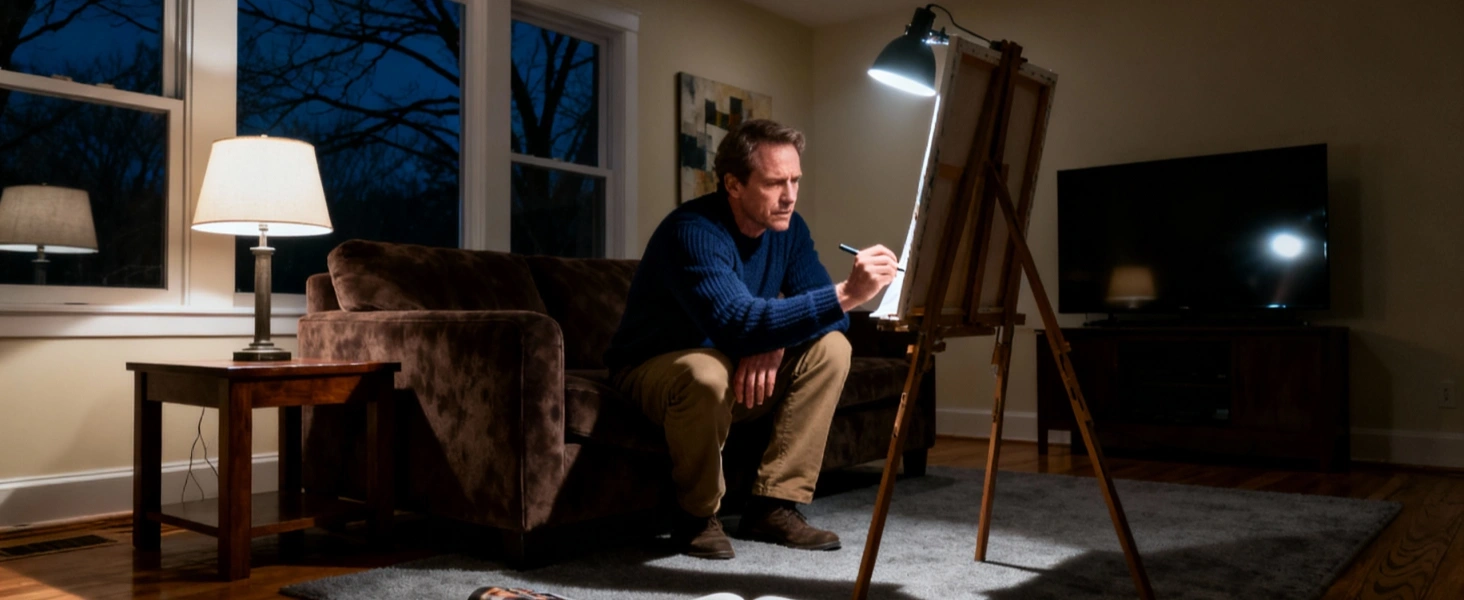
As daylight hours shrink from October through March across North America and Europe, our indoor environments undergo a dramatic transformation. The sun sets as early as 4:30 PM in northern latitudes, leaving us to depend on artificial lighting for most of our waking hours. Yet many homes rely primarily on overhead fixtures and decorative accent lamps—lighting designed for ambiance rather than the sustained, close-range visual tasks that fill our evenings: reading novels, working on craft projects, reviewing documents, or managing home-office responsibilities.
This seasonal shift in available natural light doesn't just affect our schedules; it directly impacts visual performance, physical comfort, and even emotional well-being. Research published in the Journal of Environmental Psychology has demonstrated that insufficient task lighting increases eye strain, reduces reading speed, and contributes to poor posture as we unconsciously lean closer to compensate for inadequate illumination. Meanwhile, the cooler, dimmer quality of standard household lighting can exacerbate seasonal mood changes that affect millions during the darker months.
This is precisely where a dedicated task floor lamp becomes essential—not as a luxury, but as a foundational tool for maintaining productivity, comfort, and health throughout autumn and winter.
The Science Behind Effective Task Lighting
Color Temperature, CRI, and Visual Accuracy
To understand why not all lighting serves equally well for detailed work, we need to examine three critical specifications:
Color Temperature (measured in Kelvin) describes the warmth or coolness of light. Standard incandescent bulbs emit around 2700K (warm yellow), while midday sunlight reaches 5500-6500K. For task lighting, research from the Lighting Research Center at Rensselaer Polytechnic Institute suggests that 4000-5000K provides optimal contrast and alertness for concentrated work without causing the harshness associated with cool-white commercial fixtures.
Color Rendering Index (CRI) quantifies how accurately a light source reveals true colors compared to natural daylight (CRI 100). Most standard LED bulbs score 80-85 CRI, which sounds adequate but actually distorts reds, purples, and subtle skin tones—critical for activities like watercolor painting, fabric selection for quilting, or reviewing printed photographs. High-CRI lighting (95+) becomes transformative for crafters, artists, and anyone requiring precise color judgment.
Flicker and Eye Fatigue: Though imperceptible to conscious awareness, many LED and fluorescent lights flicker at 100-120 Hz. A study in Lighting Research & Technology (2010) documented that even invisible flicker increases eye strain, headaches, and reduces reading comprehension over extended periods. Flicker-free drivers have become a hallmark of premium task lighting.
Illumination Distribution and Glare Control
Overhead ceiling fixtures cast diffuse, shadowless light across entire rooms—excellent for general navigation but inadequate for reading 10-point text or threading needles. According to the Illuminating Engineering Society (IES), task surfaces require 300-500 lux (approximately 30-50 foot-candles) for comfortable reading, and 500-1000 lux for precision handwork like embroidery or electronics repair.
Equally important is light placement. A properly positioned reading floor lamp or task floor lamp delivers concentrated illumination precisely where needed, minimizing shadows on the work surface while avoiding glare in your peripheral vision—something fixed overhead lights cannot achieve.
Why Ceiling Fixtures and Decorative Lamps Fall Short
Walk into most living rooms at 7 PM in December, and you'll likely find a combination of recessed ceiling cans and table lamps with fabric shades. These provide adequate ambient brightness for watching television or socializing, but fail at supporting sustained near-vision activities for several reasons:
- Insufficient Intensity at Task Level: Light follows the inverse-square law—doubling the distance from source to surface reduces intensity by 75%. A ceiling fixture 8 feet above your book delivers only a fraction of the brightness of a floor lamp positioned 18 inches away.
- Color Distortion: Budget-friendly LED bulbs frequently exhibit CRI below 85, causing whites to appear dingy, warm colors to merge indistinguishably, and fine print to lose contrast against cream paper.
- Uncontrolled Shadows: Overhead lighting casts shadows from your own head and hands directly onto your work—forcing awkward postures as you unconsciously tilt to find clearer sight lines.
- Glare and Contrast Issues: Shiny magazine pages, glossy craft materials, and computer screens all reflect poorly positioned light sources, creating hot spots that force constant eye accommodation and contribute to headaches.
These aren't minor inconveniences—they're ergonomic barriers that accumulate into chronic eye strain, neck tension, and reduced evening productivity throughout the 16+ weeks of autumn and winter's extended darkness.
The Honeywell 02E Series: Engineering Task Lighting for Real-World Needs
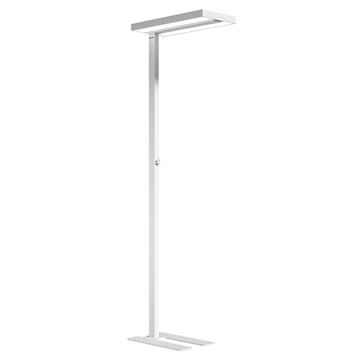
The Honeywell 02E Series Reading Floor Lamp represents a purposeful application of lighting science to the specific demands of close-range visual work. Rather than marketing vague "wellness" claims, the 02E addresses the measurable deficiencies of conventional home lighting through targeted technical features.
Full-Spectrum, High-CRI Illumination
The 02E employs Honeywell's Sunturalux LED technology, engineered to approximate the balanced spectral distribution of natural daylight. With a CRI consistently above 95, this full-spectrum lamp renders colors with accuracy comparable to viewing objects outdoors under open sky—essential for anyone selecting yarn colors for a knitting project, matching wood stains for furniture restoration, or simply enjoying illustrated books as their creators intended.
This isn't about creating "bright" light, but accurate light. Quilters consistently report that high-CRI task lamps eliminate the frustrating experience of cutting fabric under one light source only to discover mismatched colors when viewed elsewhere.
Flicker-Free Driver Circuitry
The 02E incorporates high-frequency driver electronics that eliminate the AC-cycle flicker inherent in most budget LED bulbs. While you won't consciously see this difference, your visual system will—multiple studies confirm that flicker-free lighting reduces eye fatigue, decreases headaches, and improves sustained reading performance over 2-3 hour sessions.
Practical Setup Guidelines for Maximum Benefit
Owning quality task lighting means little without proper placement. Here are evidence-based positioning strategies:
For Reading (Books, Tablets, Documents)
Position the lamp 15-24 inches from your reading material, offset approximately 30-45 degrees to your non-dominant side (left side for right-handers). This angle prevents shadows from your hand while keeping the light source outside your direct gaze. Aim the lamp head so the brightest part of the beam falls on the page, not your face.
Brightness recommendation: 400-500 lux at page level (use the 02E's dimming function to adjust for paper finish and personal comfort). Select 4000K for general reading.
For Crafting (Sewing, Knitting, Model-Building)
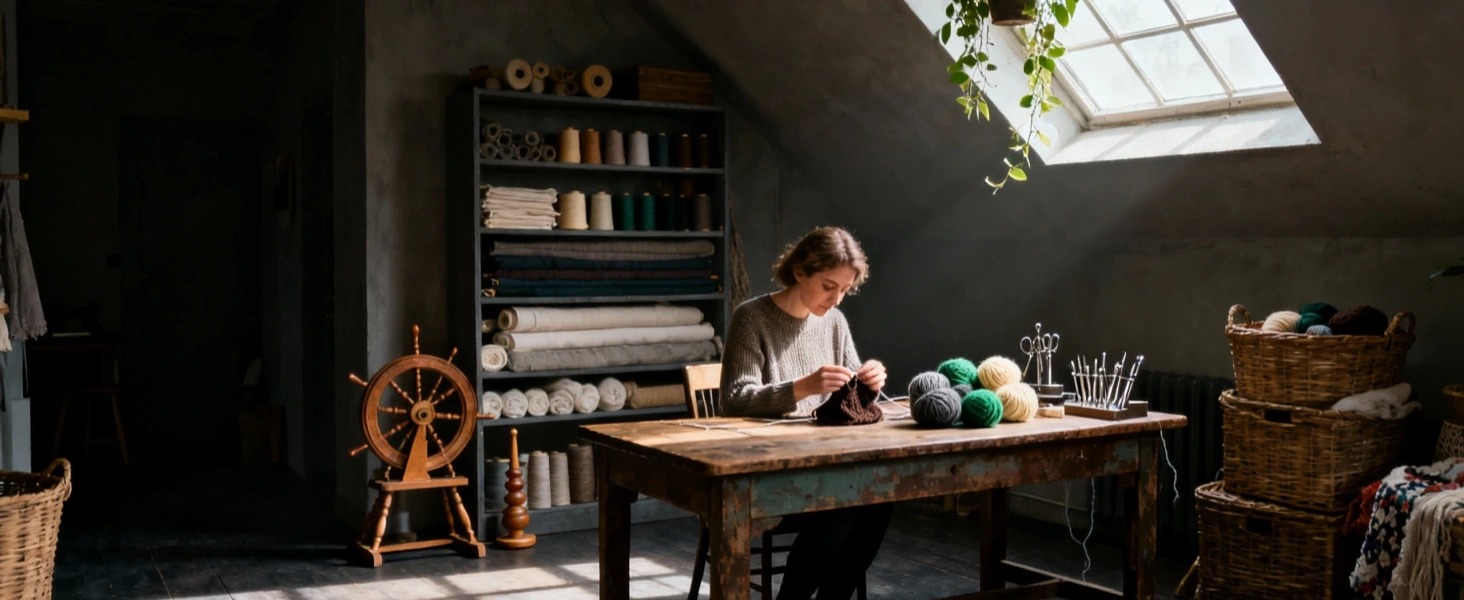
Place the lamp 12-18 inches from your work surface, positioned to illuminate from slightly above and behind to eliminate hand shadows on your stitching line or assembly point. High-CRI becomes critical here—set the 02E to 5000K for maximum color accuracy when sorting thread, selecting beads, or matching paint colors.
Brightness recommendation: 600-800 lux for precision handwork. If working with dark fabrics or materials, utilize the 02E's maximum output setting.
For Computer Work (Home Office, Study)
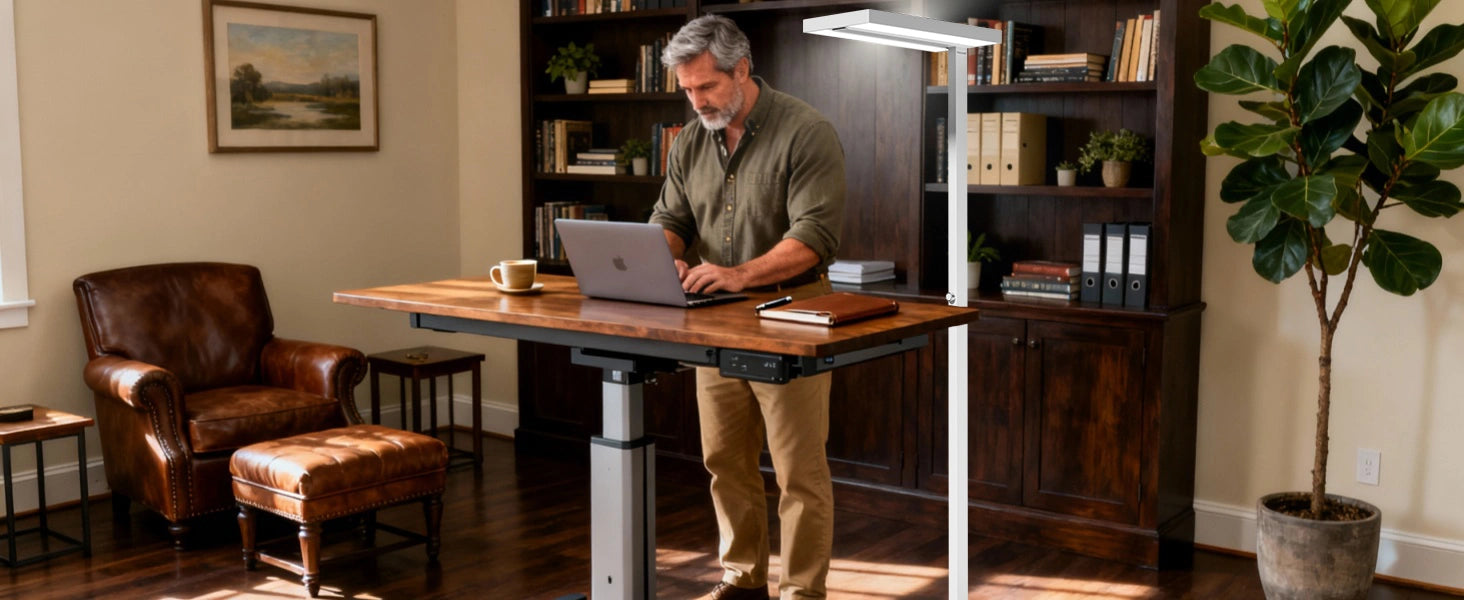
Position the lamp to illuminate your keyboard and any reference documents, but not your screen. The lamp should be behind or beside your monitor, aimed at your desk surface. Set brightness to approximately match your screen luminance (usually 300-400 lux) to minimize the eye accommodation required when shifting focus between screen and papers.
Color temperature recommendation: 4000-4500K provides comfortable contrast without the blue-heavy spectrum that disrupts evening circadian rhythms.
General Positioning Principle
Your task lamp should provide 3-5 times more light on the work surface than the ambient room lighting creates. This contrast focuses visual attention without causing the discomfort that would result from working in a spotlight within an otherwise dark room.
Health Implications: Beyond "Better Lighting"
Visual Ergonomics and Posture
Inadequate task lighting triggers a predictable sequence: you lean forward to see better, your neck extends, shoulders round forward, and you maintain this posture for 30-90 minutes until discomfort forces a break. Repeat nightly for five months, and you've literally reshaped your musculoskeletal alignment.
Proper task lighting, like that provided by the 02E, allows you to maintain an upright posture with your reading material or craft project at a comfortable distance (14-20 inches for most adults). This seemingly small change significantly reduces cervical spine stress and shoulder tension—benefits that compound dramatically over an entire autumn/winter season.
Eye Accommodation and Fatigue
Your eye's crystalline lens must continuously adjust focus (accommodate) to maintain clear vision. Insufficient lighting forces maximum accommodation plus pupil constriction—a fatiguing combination during extended sessions. The ciliary muscles controlling these functions tire over 30-45 minutes, causing the blurred vision and "tired eyes" we associate with evening reading.
High-quality, properly positioned task lighting reduces accommodation demand, allowing sustained comfortable focus for 2-3 hour periods—the difference between reading two chapters and finishing the novel.
Seasonal Mood and Light Exposure
While a task lamp isn't a substitute for dedicated bright light therapy, emerging research suggests that increasing exposure to high-quality, full-spectrum lighting during evening hours may offer modest benefits for individuals experiencing seasonal mood changes. The best floor lamp for winter reading isn't just about seeing the page—it's about maintaining visual and psychological comfort during the months when we spend 14-16 hours daily in artificially lit environments.
A study in Journal of Affective Disorders (2018) noted that participants exposed to high-CRI, daylight-spectrum lighting during evening activities reported improved subjective mood compared to those using standard warm-white bulbs—though researchers emphasized this shouldn't replace outdoor daylight exposure or clinical treatment for seasonal affective disorder.
For those specifically managing seasonal affective disorder, a task lamp like the 02E can complement—morning bright light therapy protocols.
Choosing the Right Solution: What to Look For
When evaluating task floor lamps for autumn and winter use, prioritize these evidence-based features:
Essential Specifications:
- CRI ≥ 95 for color-critical activities
- Adjustable color temperature (3000K-5000K range) for activity-appropriate lighting
- Flicker-free operation (high-frequency driver electronics)
- Minimum 400-500 lumens output at task surface
- Stable base and adjustable head for precise positioning
The Honeywell 02E Advantage: This model specifically addresses each criterion while maintaining the build quality necessary for daily use over multiple seasonal cycles. Its high CRI and adjustable color temperature make it genuinely versatile—functioning equally well as a high CRI floor lamp for crafting and a best floor lamp for winter reading.
For apartment dwellers or those with limited floor space, the 02E's relatively compact footprint (approximately 12-inch diameter base) and vertical articulation make it more practical than traditional arc lamps or bulky tripod designs.
Conclusion: Investing in Visual Comfort for the Long Season Ahead
Autumn and winter's abbreviated daylight hours aren't a minor inconvenience—they represent a fundamental shift in our daily light exposure that directly impacts visual performance, physical comfort, and mood stability. A quality task floor lamp addresses these challenges through measurable improvements in illumination quality, positioning flexibility, and spectral accuracy.
The Honeywell 02E Series exemplifies how thoughtful engineering—high CRI, adjustable color temperature, flicker-free operation, and flexible positioning—translates abstract lighting science into tangible daily benefits: reading without eye strain, crafting with color confidence, and working comfortably through long winter evenings.
As we approach months of 4:30 PM sunsets and predominantly indoor living, the question isn't whether you need better task lighting—it's whether you're willing to settle for another season of squinting, slouching, and abbreviated evening productivity, or invest in a lighting solution engineered for the way you actually live and work during the darker half of the year.


