
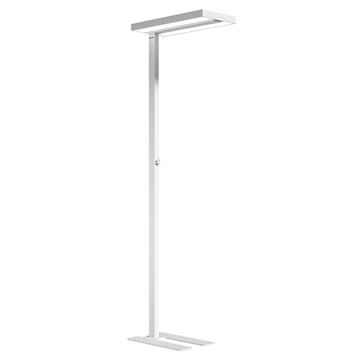


LED technology has revolutionized home and office lighting across America, with LED desk lamps and LED floor lamps leading the charge as energy-efficient, long-lasting alternatives to traditional incandescent and fluorescent lighting. But just how long do these modern lighting solutions actually last? And what factors affect their real-world performance in different usage scenarios?
This comprehensive guide breaks down everything you need to know about LED lamp lifespan, helping you make informed decisions and maximize your lighting investment.
Understanding LED Lifespan: The Technical Foundation
Key Point: L70 vs. L80 Rating System
Unlike traditional bulbs that simply burn out, LEDs gradually dim over time. The industry measures LED lifespan using the L70 or L80 standard – the point when light output drops to 70% or 80% of its original brightness.
Premium LED Desk Lamps: 25,000 – 50,000 hours
Premium LED Floor Lamps: 30,000 – 50,000 hours
Mid-tier LED Products: 15,000 – 25,000 hours
Budget LED Products: 10,000 – 15,000 hours
Pro Tip: Always look for products with documented L70 ratings from reputable manufacturers.
Real-World Lifespan by Usage Scenarios
Office & Workspace Applications
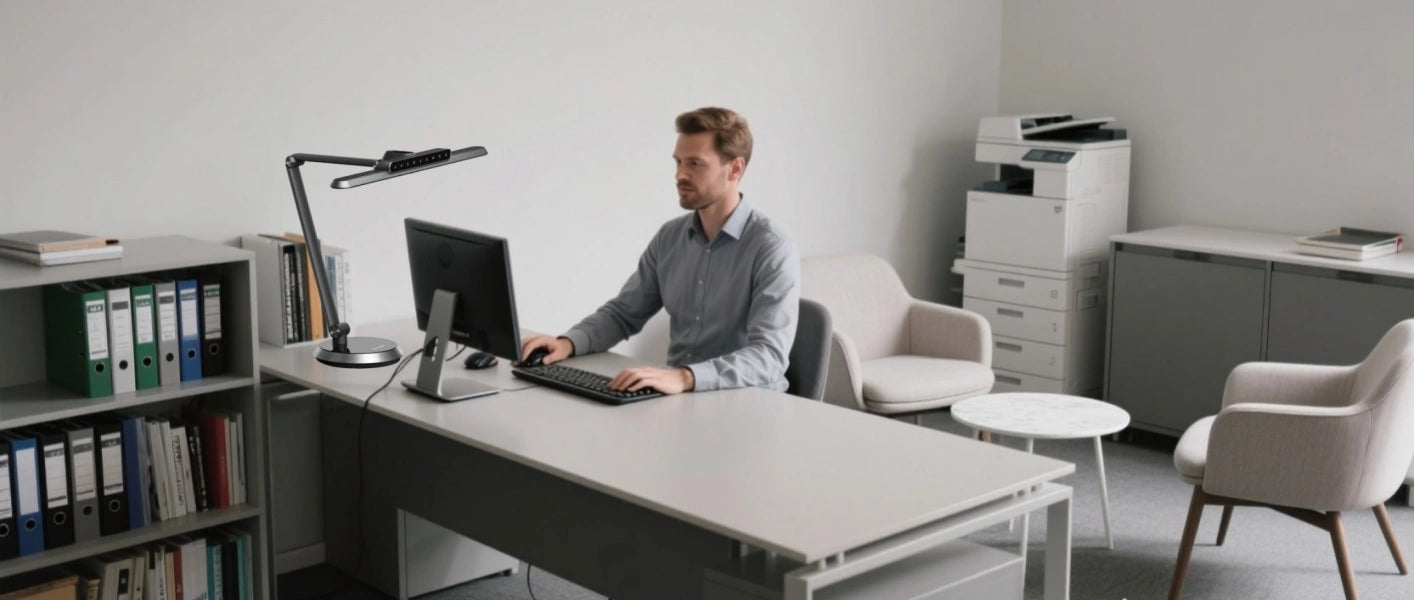
LED Desk Lamps in Professional Settings
Heavy-Duty Use (8-10 hours daily)
- Premium models: 7-15 years
- Mid-tier models: 4-8 years
- Ideal for: Software developers, graphic designers, accountants, and other desk-intensive professionals
Moderate Use (4-6 hours daily)
- Premium models: 12-25 years
- Mid-tier models: 7-15 years
- Common in: Executive offices, meeting rooms, and administrative workstations
Critical Insight: Office desk lamps face unique challenges including frequent on/off cycles and extended high-brightness operation, which can reduce lifespan by 15-20% compared to home use.
LED Floor Lamps in Commercial Spaces
Continuous Operation (10-12 hours daily)
- Premium models: 8-15 years
- Mid-tier models: 5-10 years
- Applications: Open office areas, reception halls, coworking spaces
Residential Use Patterns
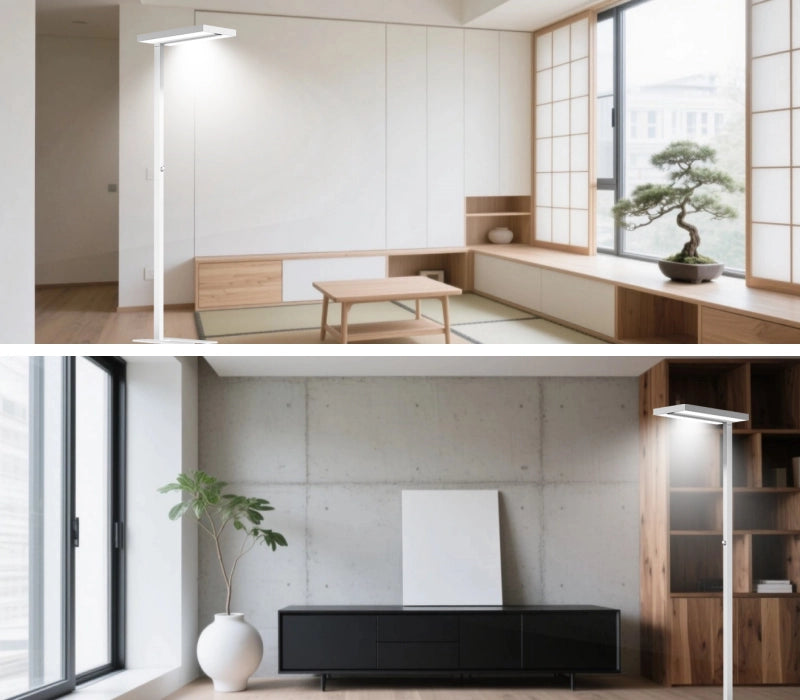
Living Room Floor Lamps
Daily Use (3-5 hours)
- Expected lifespan: 15-25 years
- Key factors: Dimming frequency, ambient temperature, dust accumulation
- Optimization tip: Use dimming features to extend life and save energy
Home Office Desk Lamps
Study/Work Sessions (2-4 hours daily)
- Expected lifespan: 18-30 years
- Special considerations: Eye-care features and color temperature adjustment may slightly impact longevity
- Best practices: Maintain proper heat dissipation, avoid maximum brightness for extended periods
Bedroom Reading Lamps
Light Use (1-2 hours daily)
- Expected lifespan: 25-40+ years
- Advantage: Low usage frequency significantly extends operational life
- Recommendation: Choose warm color temperature (2700K-3000K) models for better sleep hygiene
Commercial & Retail Applications
Retail Store Lighting
- Desk lamp equivalents: 5-12 years under heavy use
- Floor lamp systems: 6-15 years in typical retail environments
- ROI consideration: Higher upfront costs offset by dramatically lower maintenance and replacement expenses
Restaurant & Hospitality
- Environmental challenges: Grease, humidity, temperature fluctuations
- Expected reduction: 20-30% shorter lifespan compared to residential use
- Maintenance requirement: Monthly cleaning, quarterly inspections recommended
Critical Factors Affecting LED Lamp Lifespan
1. Heat Management: The #1 Lifespan Killer
Heat is the primary enemy of LED longevity. For every 10°C (18°F) increase in operating temperature, LED lifespan can be cut in half.
Desk Lamp Heat Challenges:
- Smaller form factor = limited heat dissipation surface
- Desktop placement may restrict airflow
- Integrated electronics generate additional heat
Floor Lamp Heat Advantages:
- Larger physical structure allows better heat distribution
- Elevated lamp head position improves natural convection
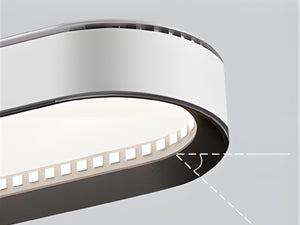
- More space for robust heat sink design
Action Item: Always choose lamps with aluminum heat sinks over plastic housings, and ensure adequate clearance around the lamp head.
2. Power Supply Quality: The Hidden Variable
The LED driver (power supply) often fails before the LED chips themselves. High-quality drivers include:
- Constant current regulation: Prevents LED degradation from current fluctuations
- Surge protection: Guards against power grid irregularities common in US electrical systems
- Power factor correction: Improves efficiency and reduces heat generation
3. Usage Patterns That Matter
Lifespan-Extending Habits:
- Limit on/off cycles to less than 5 per hour
- Use dimming capabilities (LEDs actually last longer at reduced brightness)
- Maintain regular cleaning schedules
- Avoid placement in enclosed fixtures without ventilation
Lifespan-Reducing Behaviors:
- Rapid-fire switching (especially problematic with smart controls)
- Operating in high-temperature environments (>85°F ambient)
- Neglecting dust buildup on heat sinks
- Using incompatible dimmer switches
How to Choose Long-Lasting LED Desk and Floor Lamps
Essential Certifications for US Market
Must-Have Certifications:
- FCC Compliance: Ensures electromagnetic compatibility
- ENERGY STAR: Indicates superior efficiency and quality standards
- UL Listed: Guarantees safety testing and compliance
- DLC (DesignLights Consortium): For commercial applications
Desk Lamp Selection Criteria
Technical Specifications to Prioritize:
- Adjustable color temperature: 2700K-6500K range (warmer temperatures stress LEDs less)
- Dimming range: Minimum 10%-100% with smooth transitions
- Eye-care features: Flicker-free operation, blue light filtering
- Build quality: Aluminum construction over plastic, robust adjustment mechanisms
Feature Spotlight: Look for lamps with memory function that remember your preferred settings – this reduces the stress of frequent adjustments on LED drivers.
Floor Lamp Selection Criteria
Design Elements for Longevity:
- Structural stability: Heavy, well-balanced base reduces mechanical stress
- Adjustability range: Quality joints and pivots that maintain position over time
- Cable management: Integrated cord storage prevents wire fatigue
- Modular design: Replaceable components extend overall product life
Warranty Considerations
Industry-Leading Warranty Standards:
- 3-5 years full product warranty (minimum acceptable)
- 10+ years LED module warranty (best-in-class)
- US-based customer service for efficient claim processing
Maintenance Strategies for Maximum Lifespan
Weekly Maintenance (2 minutes)
- Dust lamp shade and heat sink fins with microfiber cloth
- Check power cord for damage or stress points
- Ensure ventilation openings remain unobstructed
Monthly Deep Clean (10 minutes)
- Clean all surfaces with appropriate cleaning solutions
- Test all adjustment mechanisms for smooth operation
- Verify stable operation of dimming and color temperature controls
Quarterly Assessment (15 minutes)
- Inspect power adapter connections and cables
- Evaluate overall lamp stability and mounting integrity
- Document any changes in light output or color quality
- Check manufacturer's website for firmware updates (smart lamps)
Warning Signs: When Your LED Lamp is Nearing End-of-Life
Immediate Attention Required:
- Light output below 80% of original brightness
- Color shift toward blue or yellow tones
- Flickering or instability during operation
- Excessive heat or unusual odors from the base
- Control failures in dimming or color adjustment
Pro Tip: Document your lamp's performance with smartphone photos at regular intervals – this helps track gradual changes that might otherwise go unnoticed.
Economic and Environmental Impact Analysis
Total Cost of Ownership: LED vs. Traditional
Example: Home Office Desk Lamp (3 hours daily use)
LED Desk Lamp (15-year lifespan):
- Initial investment: $75-250
- Electricity cost (15 years): $25-45 (@$0.13/kWh average US rate)
- Total cost: $100-295
Traditional Halogen Desk Lamp:
- Initial + replacement costs: $150-300
- Electricity cost (15 years): $180-350
- Total cost: $330-650
Savings with LED: 60-70% over product lifetime
Environmental Benefits
Per LED Lamp Over 15-Year Lifespan:
- Carbon footprint reduction: 300-600 lbs CO₂ equivalent
- Waste reduction: 15-30 fewer bulb disposals
- Energy consumption: 70-85% less than incandescent equivalents
Sustainability Note: Many LED manufacturers now offer take-back programs for end-of-life products, supporting circular economy principles.
Future-Proofing Your LED Investment
Emerging Technologies to Consider
Smart Integration Features:
- Circadian rhythm lighting: Automatically adjusts color temperature throughout the day
- Occupancy sensing: Extends lifespan through intelligent on/off control
- Usage analytics: Track performance and predict maintenance needs
Next-Generation LED Technology:
- Quantum dot LEDs: Promise even longer lifespans and better color quality
- Micro-LED arrays: Improved heat distribution and modular repairability
Conclusion and Action Plan
LED desk lamps and floor lamps represent exceptional long-term value propositions for American consumers, typically delivering 15-25 years of reliable service under normal usage conditions. The key to maximizing this investment lies in:
Purchase Strategy:
- Invest in quality: Premium products cost 2-3x more but last 3-5x longer
- Match features to needs: Don't pay for unnecessary complexity
- Prioritize thermal design: Heat management directly correlates with lifespan
- Verify certifications: Ensure compliance with US safety and efficiency standards
Usage Optimization:
- Implement smart habits: Minimize unnecessary switching, use dimming features
- Maintain consistently: Regular cleaning prevents premature failure
- Monitor performance: Track changes to identify issues early
- Plan for replacement: Budget for upgrades based on realistic lifespan expectations
The Bottom Line
In an era of rising energy costs and environmental consciousness, LED desk and floor lamps offer unmatched combination of performance, efficiency, and longevity. By understanding the factors that influence lifespan and implementing proper selection and maintenance strategies, American consumers can enjoy decades of superior lighting while minimizing both costs and environmental impact.
Remember: The best LED lamp is one that meets your specific needs, fits your budget, and comes from a manufacturer committed to quality and customer support. When in doubt, choose the lamp with better heat management and longer warranty – your future self will thank you.


