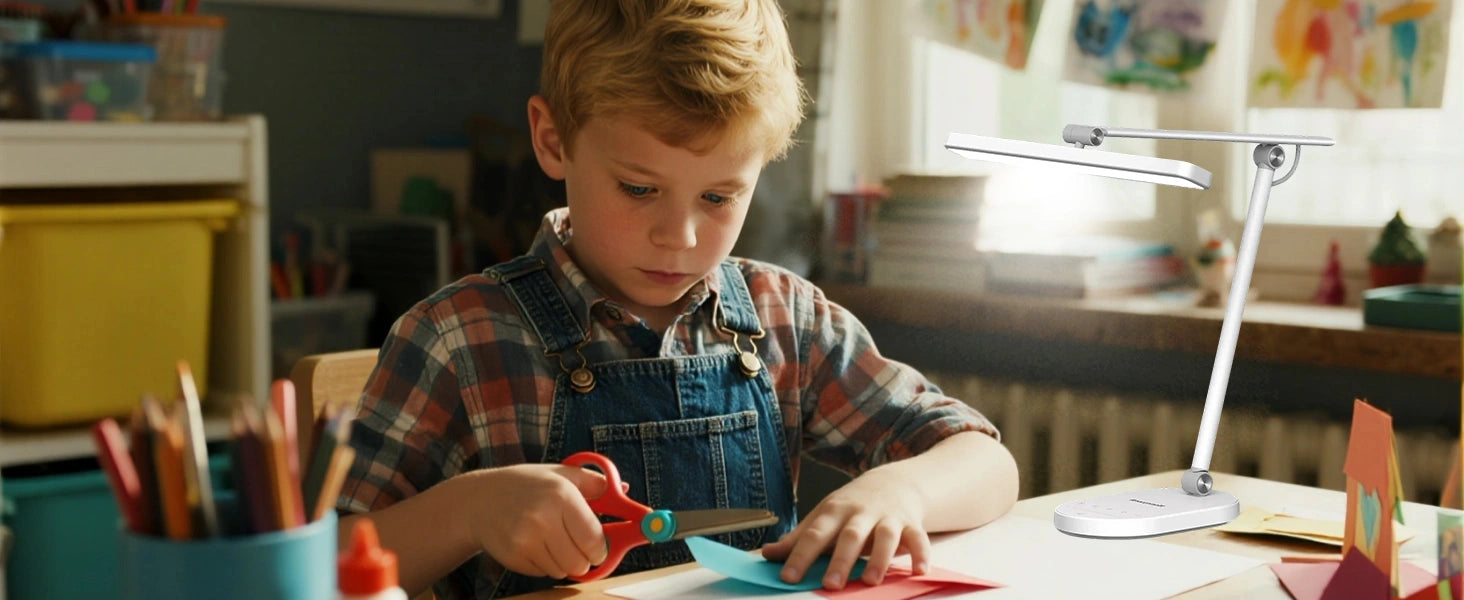


When your child is deep in the creative zone working on their latest craft project, proper lighting isn't just about seeing clearly—it's about protecting their developing eyesight and helping them create their best work. With so many lighting options available, many parents face a common dilemma: should you choose a floor lamp or a desk lamp for your child's craft activities?
Floor Lamp vs Desk Lamp: A Head-to-Head Comparison
Why Desk Lamps Excel for Craft Projects
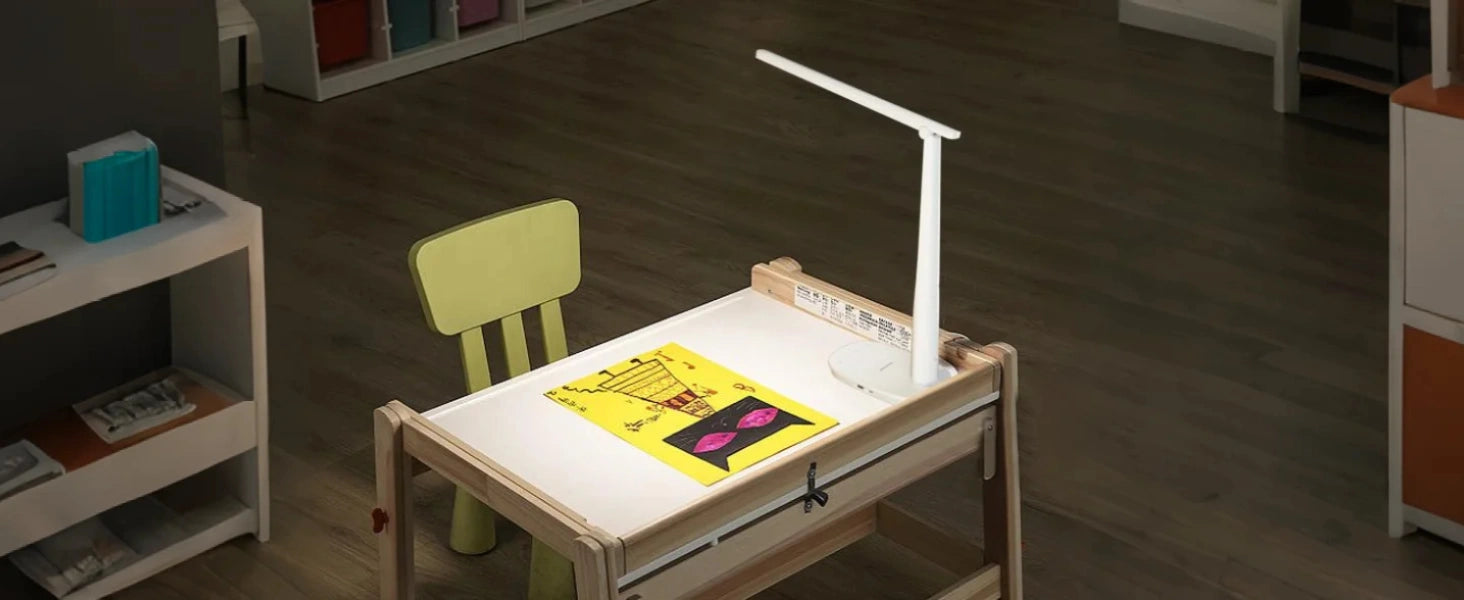
Desk lamps are the clear winner when it comes to craft lighting, and here's why. The proximity of the light source to the work surface creates concentrated, high-intensity illumination that's perfect for detailed work like drawing, cutting, gluing, or assembling small parts.
The adjustability factor is huge with desk lamps. Most models feature articulating arms and pivoting heads that let you position light exactly where it's needed. This precision targeting means you can eliminate shadows and ensure every corner of your child's project is well-lit.
Space efficiency is another major plus. Desk lamps don't eat up floor space, making them ideal for smaller rooms or shared spaces where every square foot counts.
Floor Lamps: The Ambient Lighting Choice
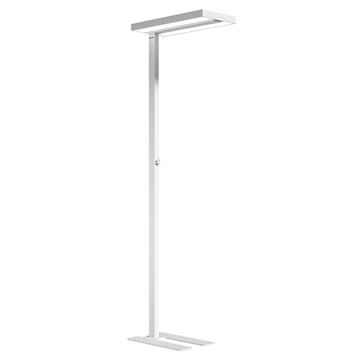
Floor lamps serve a different purpose entirely. They're designed for ambient lighting—creating overall room brightness rather than focused task lighting. The elevated light source provides broad coverage, which can be great for general activities but falls short for detailed craft work.
The biggest advantage? Floor lamps keep your work surface completely clear. No lamp base taking up precious real estate on an already crowded craft table.
The Critical Performance Gap
Here's where the difference becomes clear-cut: lighting effectiveness. When your child hunches over their craft project, a floor lamp's distant light source creates significant shadowing. Their head and body block the light from reaching the work area, creating the exact opposite of what you want.
Desk lamps, positioned low and close to the action, virtually eliminate this shadowing problem. The light comes from an angle that works with your child's natural posture, not against it.
Eye-Safe Lighting: The Science Behind Healthy Vision
Essential Light Quality Metrics
Color Temperature: The Sweet Spot Measured in Kelvin (K), color temperature dramatically affects visual comfort. For kids' crafts, 4000K is the goldilocks zone—it's the neutral white that mimics natural daylight without being too harsh or too warm. Avoid the blue-heavy "daylight" bulbs (5000K+) that can cause eye strain.
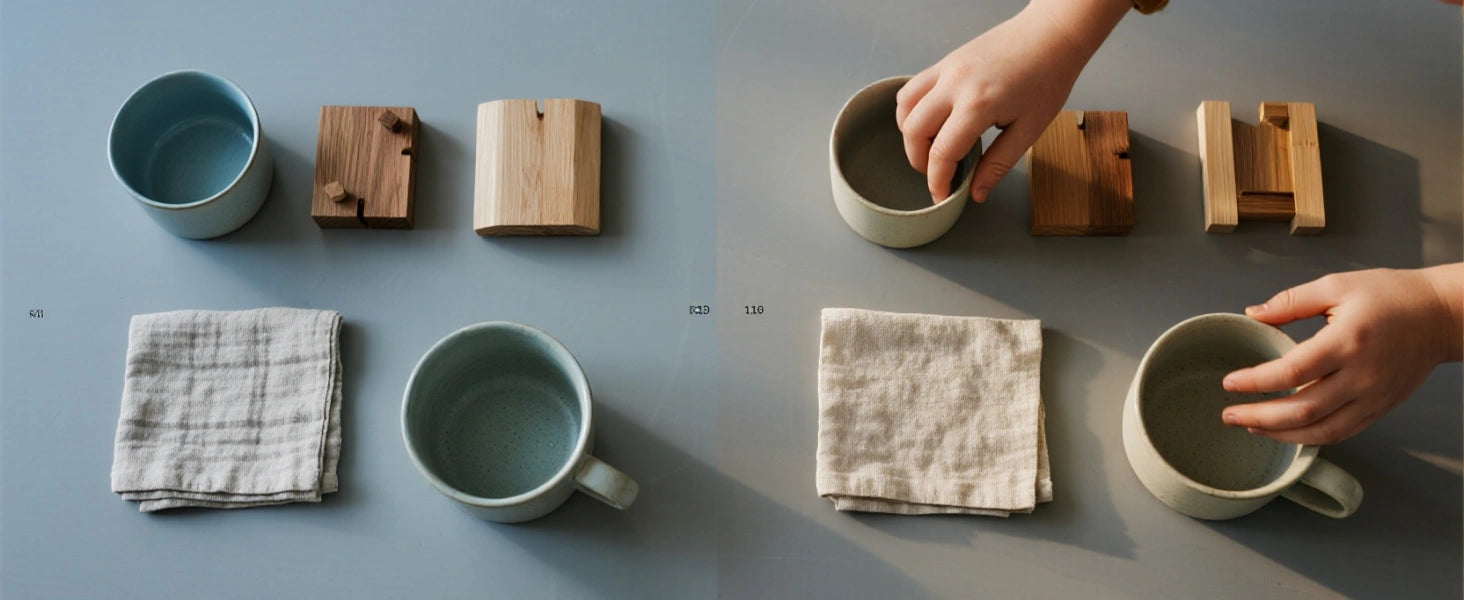
Color Rendering Index (CRI): Why It Matters CRI measures how accurately colors appear under artificial light. For craft projects involving color matching or selection, aim for CRI 90 or higher. This ensures your child sees colors as they truly are, not distorted by poor-quality lighting.
Illuminance Levels: Getting the Numbers Right The sweet spot for craft activities is 300-500 lux at the work surface. Too little light strains the eyes; too much creates uncomfortable glare. This is another area where desk lamps shine—they can easily deliver this level right where it's needed.
Visual Comfort Factors You Can't Ignore
Flicker: The Silent Vision Killer Many LED lights produce invisible flicker that causes eye fatigue, headaches, and concentration problems. Quality desk lamps use flicker-free drivers, while cheaper options—including many floor lamps—may have this hidden problem.
Glare Control: Direct vs. Indirect Direct glare comes from looking at bright light sources; indirect glare bounces off shiny surfaces. Well-designed desk lamps use diffusers and proper positioning to minimize both types.
DIY Light Quality Testing: No Equipment Needed
Quick Phone Tests
The Smartphone Flicker Test Point your phone's camera at the light source. If you see rolling bands or stripes on your screen, that light has flicker issues. Good lighting should appear steady and smooth through your camera.
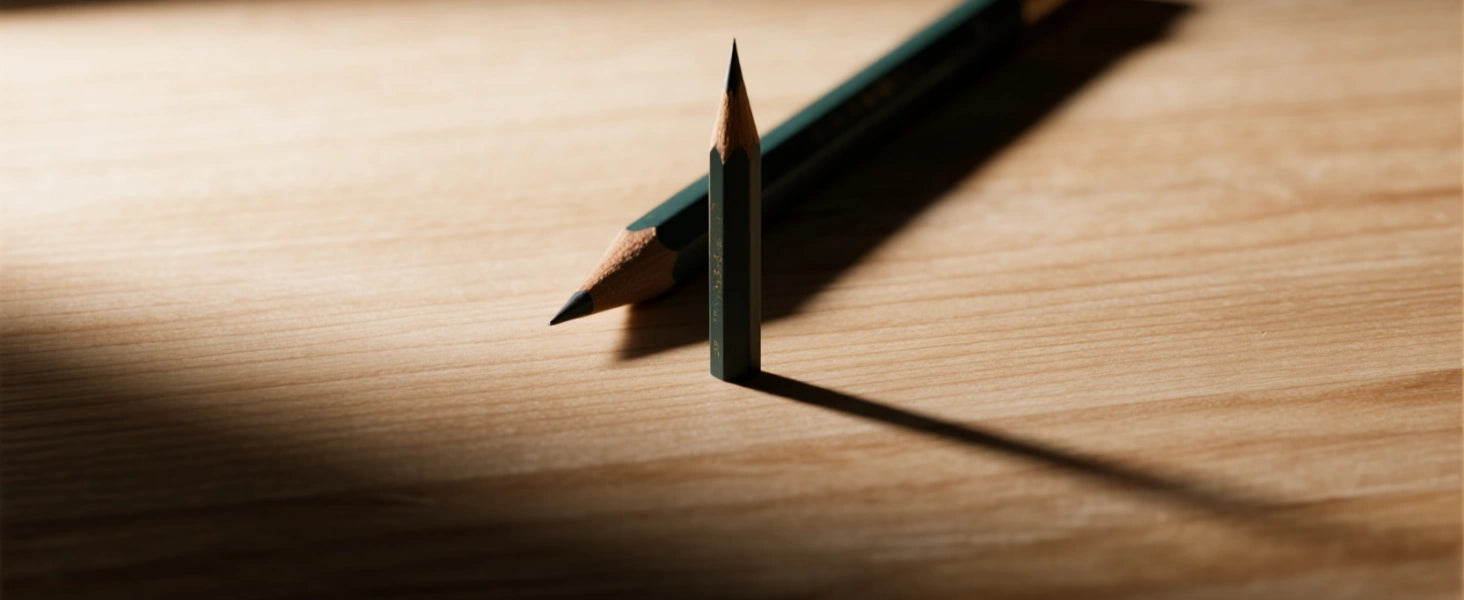
The Shadow Assessment Place a pencil vertically on the work surface under the light. You should see one clean, sharp shadow. Multiple shadows or fuzzy shadow edges indicate poor light distribution.
The Glare Check Sit in your child's normal crafting position. Can you see the light source directly? If yes, and if it's uncomfortable to look at, that's problematic glare that needs addressing.
Professional-Level Evaluation
While dedicated light meters are expensive, many smartphone apps can give you a rough lux reading. Look for apps that can measure illuminance—they're not laboratory-accurate, but they'll tell you if you're in the right ballpark for that 300-500 lux target.
Real-World Application Considerations
Room Context Matters
Your overall room lighting affects how well any task light performs. A bright desk lamp in a dark room creates harsh contrast that strains eyes. The ideal setup combines good task lighting with moderate ambient lighting—about one-third the brightness of your main work light.
Activity-Specific Needs
Different crafts have different lighting demands:
- Fine detail work (drawing, painting): Needs higher illuminance, closer positioning
- Large assembly projects (building models, science projects): Benefits from broader light distribution
- Color-critical work (art projects, fabric crafts): Requires high CRI lighting
Long-Term Investment Thinking
Consider the total cost of ownership. LED desk lamps cost more upfront but last 15-25 times longer than traditional bulbs while using 75% less energy. Factor in replacement costs and electricity usage over time.
Durability matters too. Kids aren't always gentle with equipment. Look for sturdy construction that can handle the occasional bump or adjustment by small hands.
Making the Right Choice for Your Family
The evidence strongly favors desk lamps for children's craft activities. The combination of focused illumination, adjustability, space efficiency, and superior light delivery makes them the clear winner for task-oriented work.
However, your specific situation matters. Consider your child's age, the types of crafts they enjoy, your available space, and your budget. A high-quality desk lamp is typically the better investment, providing years of eye-safe lighting that grows with your child's creative interests.
Floor lamps aren't inherently bad—they're just designed for different purposes. If you need ambient room lighting, they're great. But when it comes to protecting your child's vision while they create their next masterpiece, a well-chosen desk lamp is worth its weight in gold.
Remember: good lighting is an investment in your child's eye health, creative development, and overall well-being. Take the time to choose wisely, and both you and your young artist will see the difference.