


Introduction: The Multifaceted Relationship Between Light and Health
Light is far more than a simple tool for visibility—it is a fundamental environmental factor that shapes our visual comfort, musculoskeletal health, circadian biology, and emotional well-being. For the remote worker pulling late hours at a makeshift home office, the retiree spending afternoons absorbed in classic novels, or the hobbyist engaged in intricate model-building, the quality of lighting directly influences both immediate comfort and long-term health outcomes.
Modern research has established clear connections between inadequate lighting and a constellation of health complaints: digital eye strain affects an estimated 50-90% of computer users according to the American Optometric Association, poor reading posture contributes to the epidemic of neck and shoulder pain reported by physical therapists, and mistimed light exposure disrupts the circadian rhythms that govern sleep quality. Yet despite these well-documented relationships, many Americans continue to rely on overhead fixtures that cast shadows precisely where task visibility matters most, or on dim ambient lighting that forces compensatory postural adjustments.
This guide examines the evidence-based connections between lighting quality and three critical health domains—visual comfort, postural integrity, and sleep architecture—while providing practical strategies for optimizing your lighting environment. We'll explore how task-specific floor lamps, particularly those designed with health-conscious features, can serve as preventive health investments rather than mere home accessories.
Visual Health: Reducing Eye Strain Through Appropriate Illumination and Color Rendering
The human visual system evolved under natural sunlight, which provides both high illumination levels (typically 10,000 lux outdoors) and a complete spectrum of wavelengths. Indoor environments rarely exceed 500 lux, and many home lighting scenarios fall below 200 lux—levels that force the eyes to work significantly harder to resolve fine details during reading or close work.
Research published in Lighting Research & Technology demonstrates that task lighting providing 500-750 lux at the working surface reduces accommodative stress—the muscular effort required to focus—by approximately 30% compared to ambient-only lighting at 150-300 lux. This reduction translates directly to decreased reports of eye fatigue, headaches, and the burning sensation characteristic of asthenopia (eye strain).
Equally important is color rendering index (CRI), which measures how accurately a light source reveals the true colors of objects compared to natural daylight. The Illuminating Engineering Society recommends CRI values above 80 for general indoor use and above 90 for tasks requiring color discrimination. High-CRI lighting reduces the subtle visual stress that occurs when our brains must work harder to process distorted color information, a factor particularly relevant for anyone engaged in reading, crafts, or screen-based work where prolonged visual attention is required.
Flicker—rapid, often imperceptible fluctuations in light output—represents another hidden source of visual stress. While visible flicker (below 100 Hz) is immediately noticeable and universally irritating, high-frequency flicker (100-160 Hz) can still trigger visual discomfort, headaches, and even contribute to migraine episodes in susceptible individuals, according to studies cited by the IEEE Standards Association. Quality LED lighting should operate at frequencies well above 200 Hz or use DC drivers that eliminate flicker entirely.
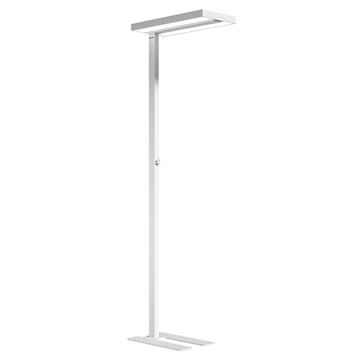
The Honeywell 02E Reading Floor Lamp addresses these visual health factors through several evidence-aligned design choices: a CRI rating above 90 ensures accurate color perception with minimal processing strain, and flicker-free LED technology eliminates the hidden source of visual fatigue that plagues many budget lighting solutions.
For optimal eye protection during reading or close work, position your task lamp so the light source sits approximately 15-18 inches from the page or work surface at a 30-40 degree angle—this geometry minimizes glare while providing even illumination across the visual field. For those working at screens simultaneously, ensure the ambient room lighting doesn't create more than a 3:1 contrast ratio between the screen brightness and surrounding environment to prevent the constant pupillary adjustments that contribute to digital eye strain.
Posture and Musculoskeletal Health: How Proper Task Lighting Reduces Forward Head Posture
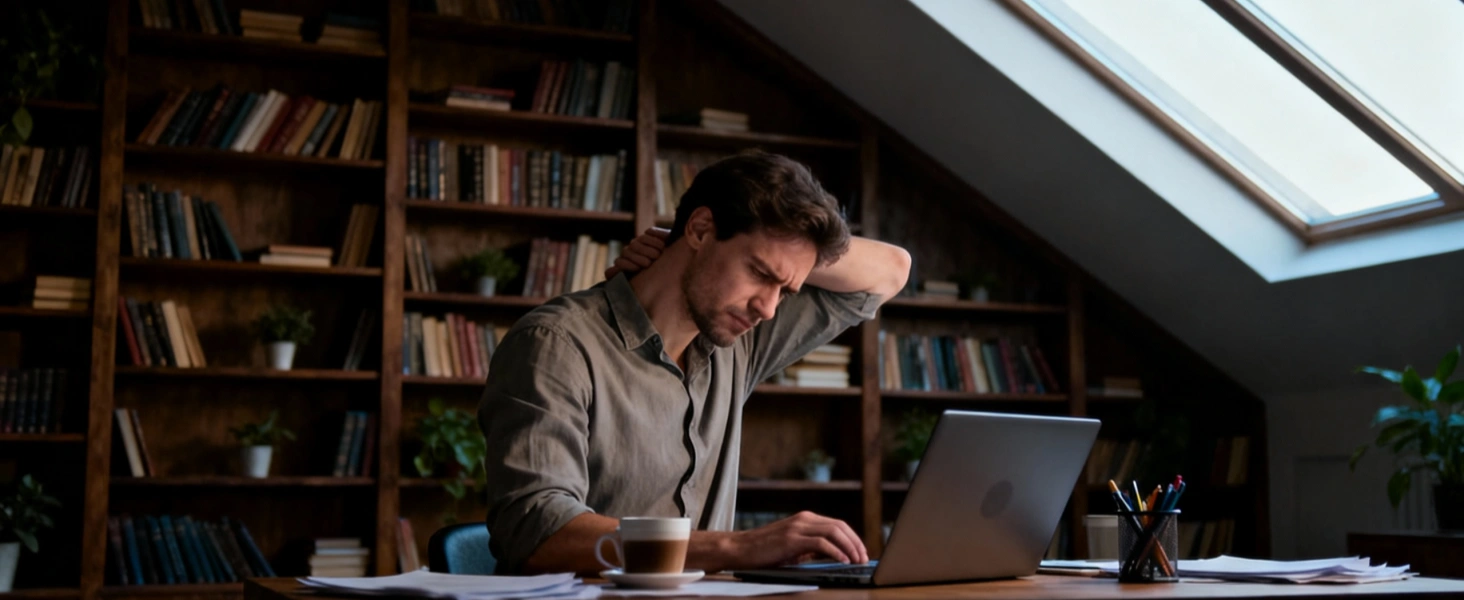
The relationship between lighting and posture may seem indirect, but physical therapists and ergonomics researchers have documented a clear behavioral pattern: when task lighting is inadequate, people unconsciously adopt compensatory postures that bring their eyes closer to the work surface or angle their bodies to capture available light. These adaptations—leaning forward, craning the neck, hunching the shoulders—place sustained stress on the cervical spine and surrounding musculature.
A study in the Journal of Physical Therapy Science examining office workers found that participants working under insufficient task lighting (below 300 lux) demonstrated an average forward head displacement of 2.1 inches compared to optimal lighting conditions. This seemingly modest postural shift increases the effective weight the neck must support from approximately 10-12 pounds (the weight of the head in neutral position) to 40-42 pounds when the head is displaced forward by 2 inches, according to biomechanical analysis published in Surgical Technology International.
The mechanism is straightforward: when we strain to see fine details in poor light, our automatic response is to reduce the working distance. This brings text or objects closer to the eyes where accommodation (focusing) becomes easier despite inadequate illumination. However, this solution trades visual comfort for musculoskeletal stress, contributing to the epidemic of "tech neck" and upper crossed syndrome that physical therapists now consider occupational hazards of modern desk work and prolonged reading.
Ergonomic lighting—enables users to maintain proper postural alignment while reading or performing close work. The ideal reading or writing posture keeps the spine in neutral alignment, with the neck supporting the head's weight directly above the shoulders and the working surface positioned at an angle that doesn't require neck flexion.
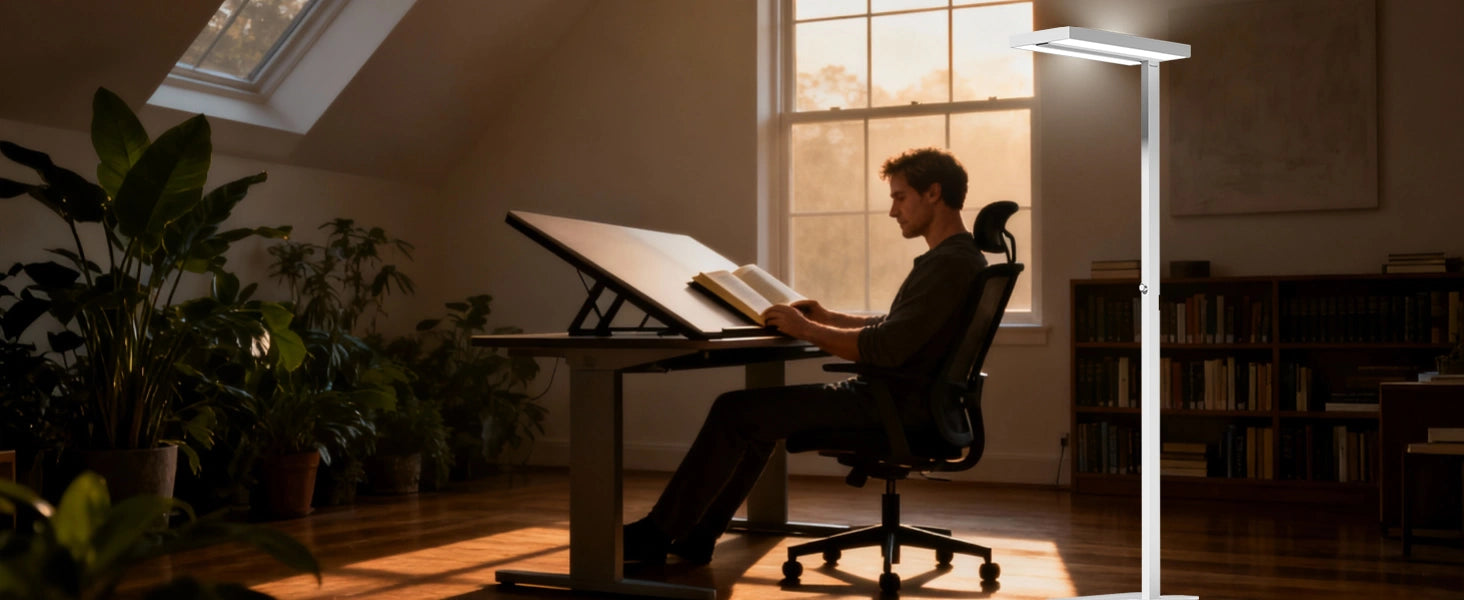
For floor lamp positioning that supports healthy posture, place the lamp so the light reaches your reading material from the side and slightly behind your shoulder (left side for right-handed people, right side for left-handed people, to prevent hand shadows). The lamp head should be adjustable to approximately 4-5 feet above the floor when seated, creating downward-angled light that reaches the reading surface without requiring you to lean toward the source.

The 02E's Role in Health-Conscious Lighting: Practical Implementation Strategies
Implementing the evidence-based lighting principles discussed above requires a fixture that offers sufficient adjustability, appropriate light quality, and intuitive control. The Honeywell 02E Reading Floor Lamp incorporates several features specifically aligned with health-conscious lighting design:
Adjustable brightness levels enable appropriate illumination for different tasks and times of day. Morning reading in a well-lit room may require only 50-60% brightness, while detailed work on a gloomy afternoon might demand 90-100%. Evening use should typically remain at 40-60% to avoid excessive light exposure before bed.
Flexible positioning through the gooseneck design and height adjustment addresses ergonomic requirements, allowing users to direct light precisely where needed without compromising posture. Position the lamp to illuminate your task surface while keeping the LED source outside your direct line of sight to minimize glare.
High color rendering ensures that visual processing remains efficient, reducing the subtle cognitive load that occurs when colors appear distorted under poor-quality lighting. This feature particularly benefits those doing extended reading, color-sensitive craft work, or tasks requiring sustained visual attention.
Flicker-free operation eliminates a hidden but well-documented source of eye strain, headaches, and visual fatigue, making the fixture suitable for the multi-hour work or reading sessions common among remote workers and dedicated hobbyists.
Daily Lighting Habits Checklist: Practical Implementation
Transform these evidence-based principles into daily practice with these actionable habits:
Morning (6 AM - 12 PM): Use bright at 80-100% brightness for reading, work, or hobby activities. This supports natural cortisol rhythms and alertness. Position your task lamp to supplement natural daylight from windows rather than replace it—natural light exposure remains the gold standard for circadian health.
Afternoon (12 PM - 5 PM): Maintain adequate brightness (60-90% depending on ambient conditions) as the day progresses. Continue to prioritize posture: check every 30-45 minutes that you're not leaning forward or craning your neck. Adjust lamp position if you find yourself compensating with body position rather than moving the light.
Evening (5 PM - 9 PM): Reduce brightness to 40-70% depending on task requirements. If you're working on screens during these hours, ensure your display's color temperature matches your ambient and task lighting to prevent excessive contrast that triggers visual stress.
Pre-sleep (9 PM - bedtime): If you read before bed, position the lamp so it illuminates the page adequately without flooding the room with light. Consider keeping bedroom overhead lights off entirely during this window, relying solely on task lighting.
Regular breaks: Regardless of lighting quality, implement the 20-20-20 rule endorsed by the American Optometric Association: every 20 minutes, look at something 20 feet away for at least 20 seconds. This breaks the sustained near-focus that contributes to eye strain regardless of illumination quality. Stand and move at least once per hour to counteract the postural load of sustained sitting.
Seasonal adjustments: During fall and winter months when natural daylight is limited, consider extending your bright light exposure during morning and midday hours to compensate for reduced outdoor light. This may help counter the seasonal mood and energy dips associated with shortened photoperiods, though therapeutic light boxes providing 10,000 lux remain the evidence-based standard for clinically significant seasonal affective disorder.
When to Seek Professional Consultation: Important Health Disclaimers
While optimized lighting can significantly improve visual comfort, support healthy posture, and align with circadian health principles, certain symptoms warrant professional evaluation:
Vision concerns: If you experience persistent eye pain, sudden vision changes, seeing halos around lights, frequent headaches associated with visual tasks, or progressive difficulty reading despite adequate lighting, consult an optometrist or ophthalmologist. These symptoms may indicate underlying eye conditions requiring medical assessment.
Musculoskeletal problems: Persistent neck pain, shoulder pain, numbness or tingling in the arms or hands, or pain that interferes with daily activities should be evaluated by a physical therapist or physician. While lighting optimization supports healthy posture, it cannot correct existing structural problems or injuries that require professional treatment.
Sleep disorders: If sleep difficulties persist despite good sleep hygiene and lighting practices, or if you experience excessive daytime sleepiness, loud snoring, breathing pauses during sleep, or other concerning symptoms, consult a sleep medicine specialist. These may indicate sleep disorders such as sleep apnea that require medical diagnosis and treatment.
Mental health: Depression, anxiety, and other mood disorders require professional evaluation and treatment. While environmental factors including lighting can influence well-being, they are not substitutes for appropriate mental health care when clinically significant symptoms are present.
Conclusion: Lighting as Preventive Health Investment
The evidence is clear: lighting quality significantly influences multiple dimensions of health, from immediate visual comfort to long-term postural health and circadian function. For the substantial portion of Americans who spend hours daily reading, working at computers, or engaged in hobbies requiring sustained visual attention, the choice of task lighting represents a meaningful health decision rather than a purely aesthetic one.
High-quality ergonomic floor lamps designed with health-conscious features—adjustable color temperature, high color rendering, flicker-free operation, and flexible positioning—transform lighting from a passive environmental factor into an active tool for health optimization. The investment in appropriate task lighting pays dividends in reduced eye strain, better postural habits, improved sleep quality, and potentially enhanced mood and energy, particularly during challenging winter months.
By implementing the evidence-based strategies outlined in this guide—matching color temperature to time of day, positioning lighting to support healthy posture, adjusting brightness appropriately for different tasks, and taking regular breaks—you can create a lighting environment that supports rather than compromises your health. The Honeywell 02E Reading Floor Lamp exemplifies this health-forward approach to lighting design, offering the adjustability and quality features necessary to implement these evidence-based practices.
Remember that lighting optimization works best as part of comprehensive healthy habits: adequate outdoor light exposure, regular physical activity, consistent sleep schedules, periodic movement breaks, and professional healthcare when needed all contribute to the visual, physical, and circadian health that quality lighting supports.


