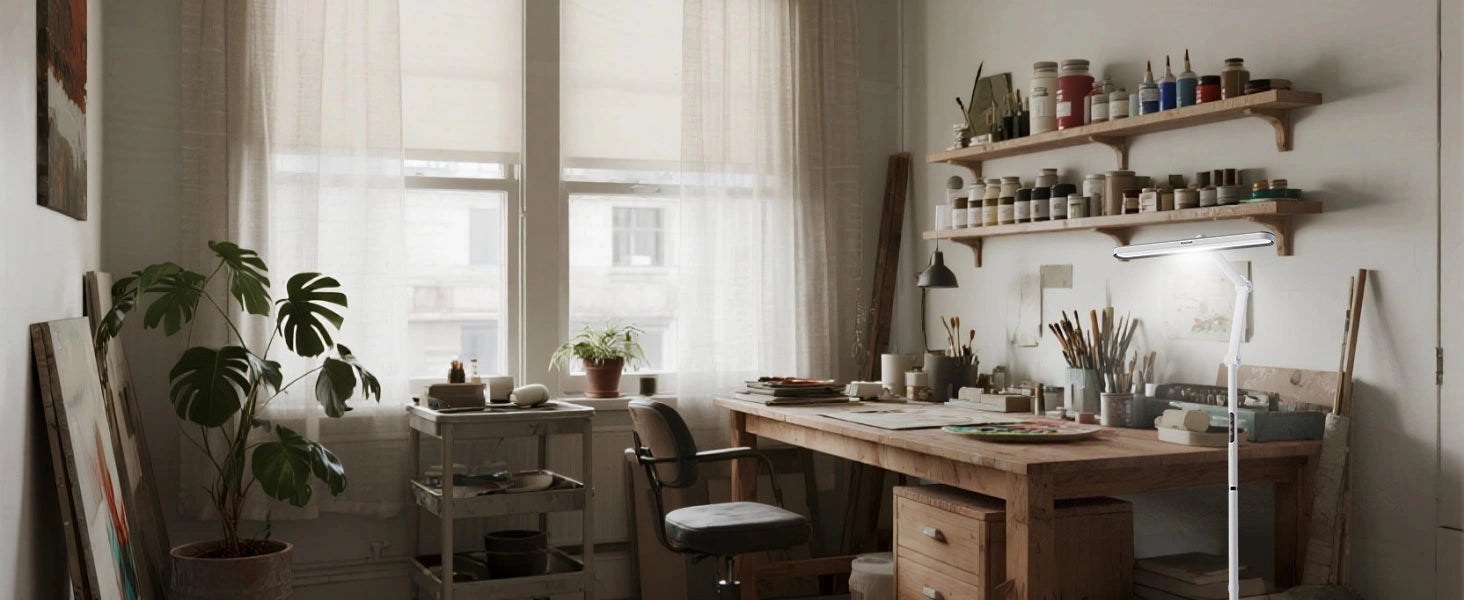


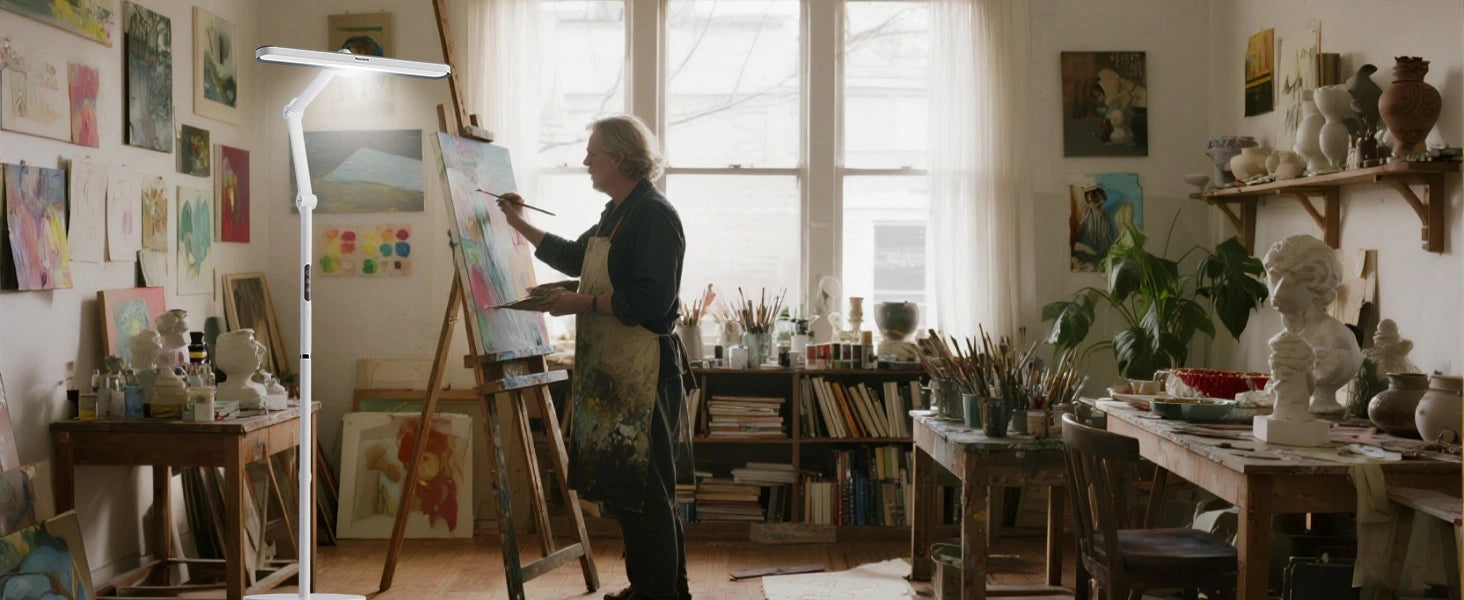
The creative process extends far beyond brush strokes and color palettes—it begins with the environment that surrounds the artist. Among all environmental factors, lighting stands as the most influential element in shaping artistic vision, emotional state, and creative output. Modern research in environmental psychology reveals that proximity to natural elements such as sunlight was associated with a 15% increase in improved wellbeing and creativity, demonstrating the profound connection between illumination and artistic inspiration.
For contemporary artists seeking to optimize their creative workspace, understanding how different lighting conditions affect cognitive performance has become essential. The relationship between light and creativity isn't merely about visibility—it's about creating the perfect psychological environment where artistic concepts can flourish and transform into tangible masterpieces.
The Science Behind Lighting and Creative Focus
The human brain responds differently to various lighting conditions, with each type of illumination triggering distinct psychological and physiological responses that directly impact creative performance. Cool white light, with a higher color temperature, tends to promote alertness and concentration, making it ideal for tasks that require focus and attention to detail, while warmer tones facilitate relaxation and free-flowing ideation.
Research published in environmental psychology journals indicates that both priming darkness and actual dim illumination improved creative performance, suggesting that varying light intensities throughout the creative process can enhance different aspects of artistic work. This scientific foundation supports the practice of adjustable lighting systems in professional art studios.
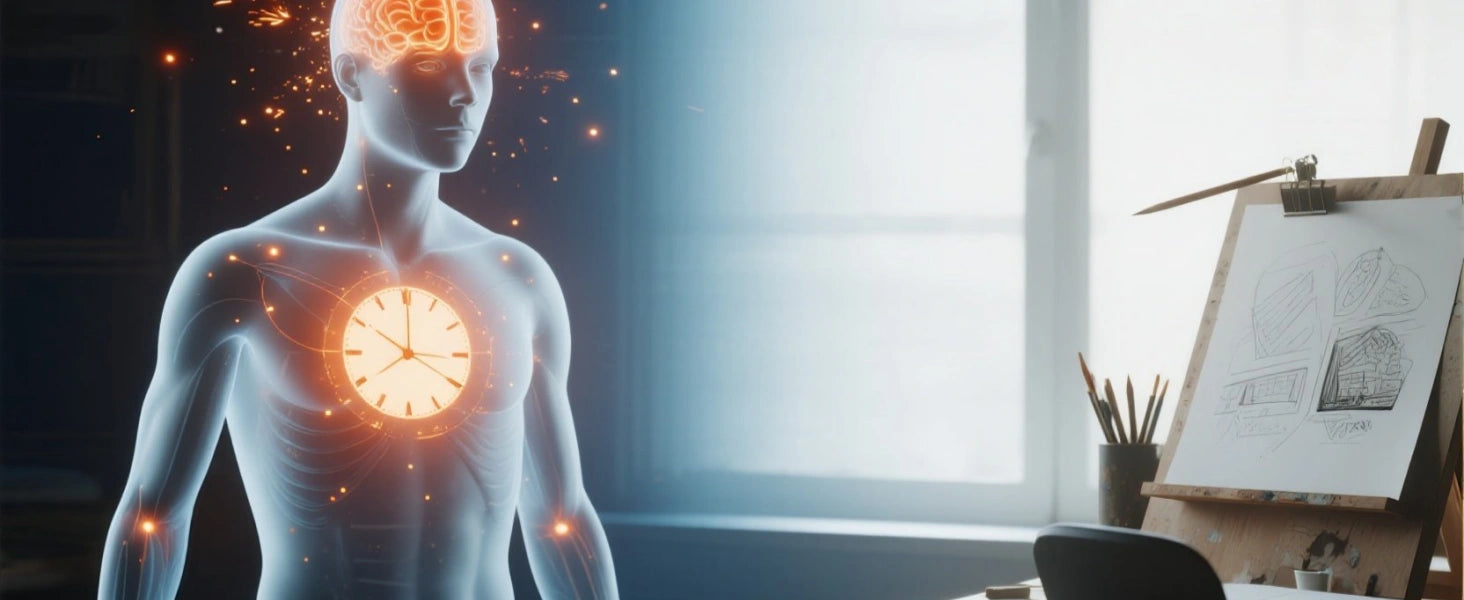
The circadian rhythm, our body's internal clock, also plays a crucial role in creative productivity. Exposure to specific color temperatures at different times can synchronize our natural energy cycles with our creative workflow, maximizing both inspiration and execution phases of artistic projects.
Honeywell 05D01: Three Lighting Modes for Every Creative Phase
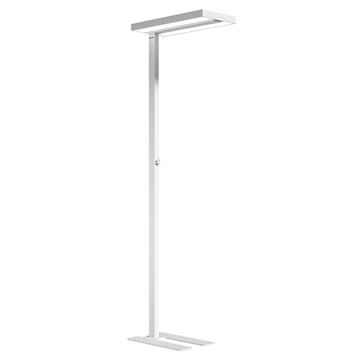
The Honeywell Smart Lighting 05D01 floor lamp represents a breakthrough in artist-focused lighting technology, offering three distinct color temperature modes designed to support different stages of the creative process. This innovative lighting solution addresses the varying needs artists face from initial conceptualization to final detail work.
Natural Light Mode (4000K): Achieving True Color Representation
The 4000K setting provides balanced, neutral white light that closely approximates natural daylight conditions. After testing several artworks, 4000K proved superior in maintaining color purity while keeping colors vibrant and separate from each other. This mode excels during:
- Color mixing and palette development
- Painting and detailed artwork creation
- Evaluating color relationships and harmonies
- Photography and documentation of artwork
Professional colorists and fine artists particularly value this temperature for its ability to render colors accurately without the warm or cool bias that can mislead color perception. The 4000K setting ensures that artwork will appear consistent under various viewing conditions.
Cool Light Mode (5000K): Precision and Detail Work
The cool light mode delivers crisp, bright illumination perfect for detail-oriented tasks requiring maximum concentration. Art studios with south-facing windows benefit from 5000K color temperature lights, as they complement natural daylight throughout the day. This setting supports:
- Fine detail work and finishing touches
- Technical drawing and precision illustration
- Quality control and artwork evaluation
- Digital art creation and computer-based design
The 5000K temperature enhances visual acuity and maintains alertness during intensive work sessions, making it indispensable for professional artists working on commission pieces or detailed commercial projects.
Creating Spatial Boundaries: Life Zone vs. Creative Zone
Effective lighting design serves as an invisible boundary between everyday living spaces and dedicated creative environments. This psychological separation is crucial for maintaining focus and establishing a professional mindset when entering the artistic workspace.
Position your adjustable lighting system approximately 6-8 feet from your primary workspace, creating a defined zone of professional illumination. This distance provides optimal light distribution while maintaining the intimate scale necessary for detailed artistic work. The transition from ambient room lighting to focused creative lighting signals your brain to shift into productive, artistic mode.
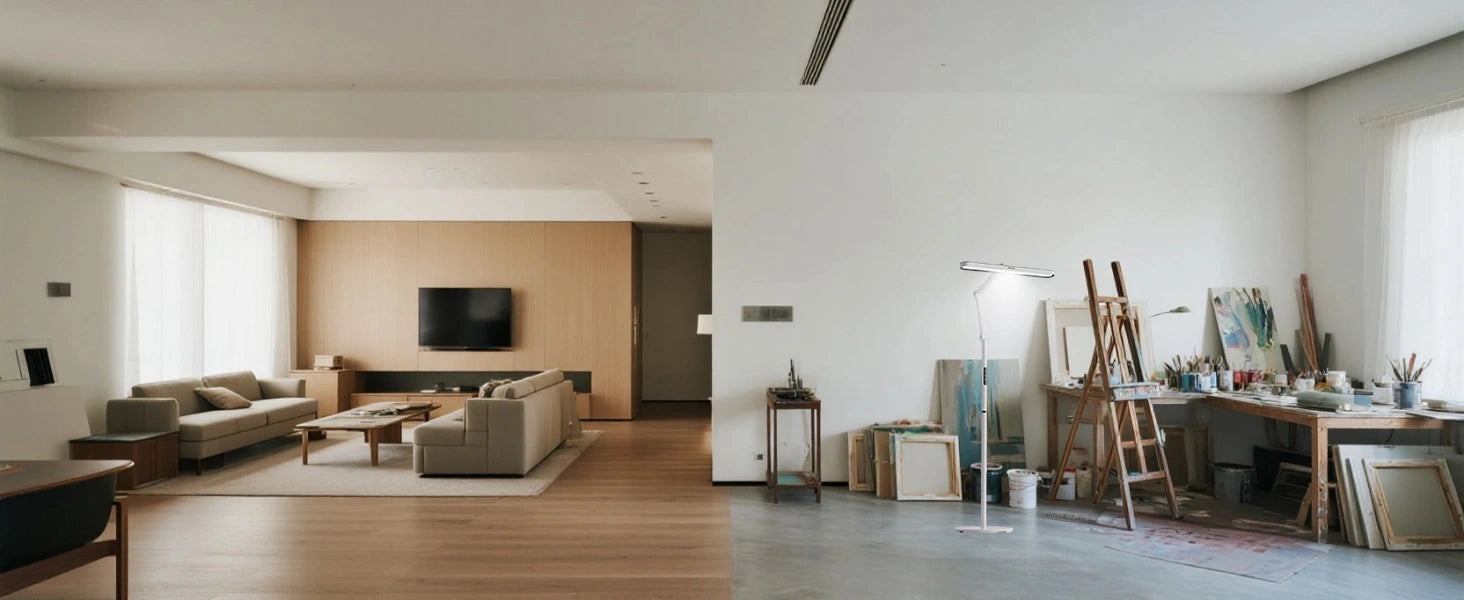
Lighting as the Cornerstone of Studio Design
Modern art studios recognize lighting as the primary design element around which all other components are arranged. The placement of your lighting system influences everything from easel positioning to storage organization and workflow patterns.
Optimizing Spatial Flow and Movement
Design your studio layout with lighting as the central organizing principle. Position your primary light source to eliminate shadows on your dominant hand while working—typically to the left for right-handed artists and vice versa. Maintain approximately 24-30 inches between your work surface and the light source to ensure even distribution without excessive heat generation.
Create secondary lighting zones for different activities: a warm reading nook for studying art books and references, a neutral zone for critiquing finished work, and bright task lighting for tool maintenance and preparation activities. This multi-zone approach supports various aspects of artistic practice within a cohesive design framework.
Establishing Creative Rituals and "The Art Switch"
The simple act of adjusting your lighting settings can serve as a powerful psychological trigger that signals the beginning of creative work. Develop consistent lighting rituals that prepare your mind for different types of artistic tasks:
- Begin sessions with warm light while reviewing previous work
- Transition to natural light for active creation
- Switch to cool light for final details and evaluation
This ritualistic approach leverages the psychological power of environmental cues to enhance focus and creative flow. The physical act of adjusting lighting becomes a mindful transition into artistic consciousness, separating creative time from daily routine.
Crafting Your Inspiration Corner: A Step-by-Step Guide
Every artist deserves a dedicated space where creativity can flourish unimpeded. Creating an effective inspiration corner requires thoughtful planning and attention to both functional and aesthetic elements.
Step 1: Location Selection and Preparation
Choose a corner location that offers maximum natural light exposure, preferably with north-facing windows that provide consistent, indirect daylight. If natural light is limited, position your space near an electrical outlet to accommodate your adjustable lighting system without unsightly extension cords.
Clear the area completely and evaluate the existing wall color. Neutral whites or light grays provide the best backdrop for accurate color perception, while darker walls can create unwanted color casts that influence your artistic decisions.
Step 2: Lighting Installation and Positioning
Install your Honeywell 05D01 floor lamp approximately 4-5 feet from your intended work position. The lamp's height should allow light to fall at a 30-45 degree angle to your work surface, minimizing both direct glare and harsh shadows.
Test all three color temperature settings during different times of day to understand how they interact with available natural light. Document these observations to develop optimal lighting protocols for various artistic activities.
Step 3: Workspace Organization and Tool Placement
Arrange your most frequently used tools within arm's reach of your primary position. Utilize vertical wall space for storage to keep the work surface clear and maximize the effectiveness of your lighting system. Position a small side table or cart to the non-dominant side for supplies that don't require constant access.
Step 4: Creating Atmospheric Elements
Incorporate elements that inspire creativity without interfering with functional lighting. A small collection of artwork or reference images can provide visual inspiration, while a comfortable seating option allows for contemplation and planning sessions under different lighting conditions.
Step 5: Fine-Tuning and Personalization
Spend several sessions in your new inspiration corner, adjusting elements based on actual use patterns. Note which lighting settings work best for different activities and times of day. Make small adjustments to positioning and organization until the space feels completely natural and supportive of your creative process.
The investment in proper lighting infrastructure pays dividends in improved artistic output, reduced eye strain, and enhanced creative satisfaction. As the foundation of your artistic environment, thoughtfully selected and positioned lighting transforms any corner into a professional-grade creative sanctuary.
By understanding the science of light's impact on creativity and implementing adjustable lighting solutions like the Honeywell 05D01, artists can create environments that support every phase of the creative journey—from the spark of initial inspiration to the final brushstroke of completion.