


Music is an art that demands precision, focus, and countless hours of dedicated practice. Yet, many musicians overlook one crucial element that can significantly impact their performance and long-term eye health: proper lighting. Whether you're sight-reading complex sheet music during a late-night practice session or performing under dimly lit concert hall conditions, inadequate lighting can be the silent saboteur of your musical journey.
The Hidden Challenge: Lighting Pain Points in Musical Practice
Musicians face unique visual challenges that many other professionals never encounter. Factors that put musicians' eyes at risk for injury and strain include focusing on small notes on a page for long periods of time, frequent reading with inadequate light, dry eyes, and playing loud and high pitched notes on wind instruments, which can double eye pressure.
Sheet Music Shadows and Reading Difficulties
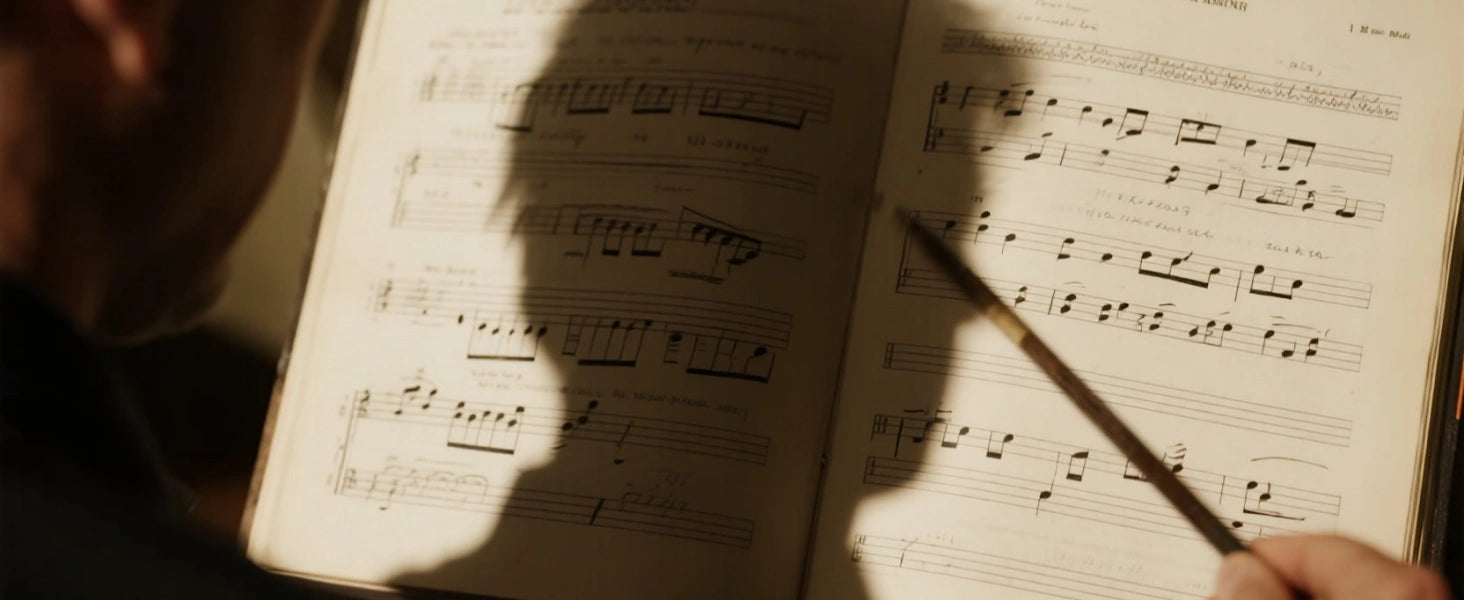
Traditional overhead lighting creates problematic shadows across sheet music, particularly when musicians lean forward or adjust their posture while playing. These shadows can obscure critical musical notations, forcing musicians to squint or strain their necks to achieve proper visibility. The problem becomes even more pronounced when dealing with handwritten manuscripts or photocopied sheet music where the contrast may already be compromised.
Flickering Light Sources and Visual Disruption
Many conventional lighting solutions produce imperceptible flicker that can cause significant visual discomfort. This flicker, while sometimes imperceptible to conscious awareness, has been documented to cause headaches, eyestrain, and reduced visual performance in workplace environments where sustained attention is required. For musicians who require sustained focus during practice sessions that can last several hours, this invisible flicker becomes a serious impediment to performance quality.
Cumulative Eye Fatigue from Extended Practice
Professional musicians often practice 4-8 hours daily, creating conditions similar to those experienced by office workers spending long hours at computer screens. To help prevent eyestrain, adjust the lighting so there is no glare or harsh reflection on the screen. Rest your eyes every 20 minutes. Look up at a distant object or outside. Blink regularly so that your eyes stay well lubricated. However, unlike office workers, musicians cannot easily take frequent breaks without disrupting their practice flow and muscle memory development.
Honeywell 05D01: Engineering Excellence for Musical Performance
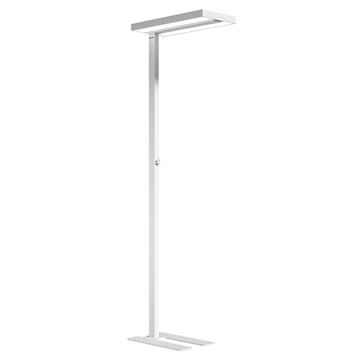
The Honeywell 05D01 Artist Floor Lamp represents a breakthrough in addressing the specific lighting needs of musicians. This innovative floor lamp incorporates advanced LED technology designed to minimize eye strain while maximizing visual clarity for extended use.
Flicker-Free Technology for Sustained Focus
The 05D01 employs sophisticated flicker-free LED technology that eliminates the rapid light fluctuations found in many conventional lighting solutions. The findings suggest that LED lighting is more conducive to longer work periods with reduced eye strain compared to fluorescent lighting, though concerns about dry eye and sleep disturbances persist. This technology is particularly beneficial for musicians who require consistent, stable illumination during long practice sessions.
Focused Illumination for Sheet Music Clarity
Unlike broad-spectrum room lighting, the 05D01 provides focused, directional illumination that can be precisely positioned to eliminate shadows on sheet music. The lamp's design allows musicians to direct light exactly where it's needed most, reducing the need for neck strain or awkward positioning to achieve optimal visibility of musical notations.
Adjustable Color Temperature for Different Practice Scenarios
The lamp offers adjustable color temperature settings, allowing musicians to customize their lighting environment based on the time of day and type of practice. Cooler temperatures (around 5000K) enhance alertness and concentration during technical practice, while warmer temperatures (around 4000K) provide a more relaxed atmosphere for interpretive work and evening practice sessions.
Versatile Design for Every Musical Instrument and Setting
Piano and Keyboard Applications
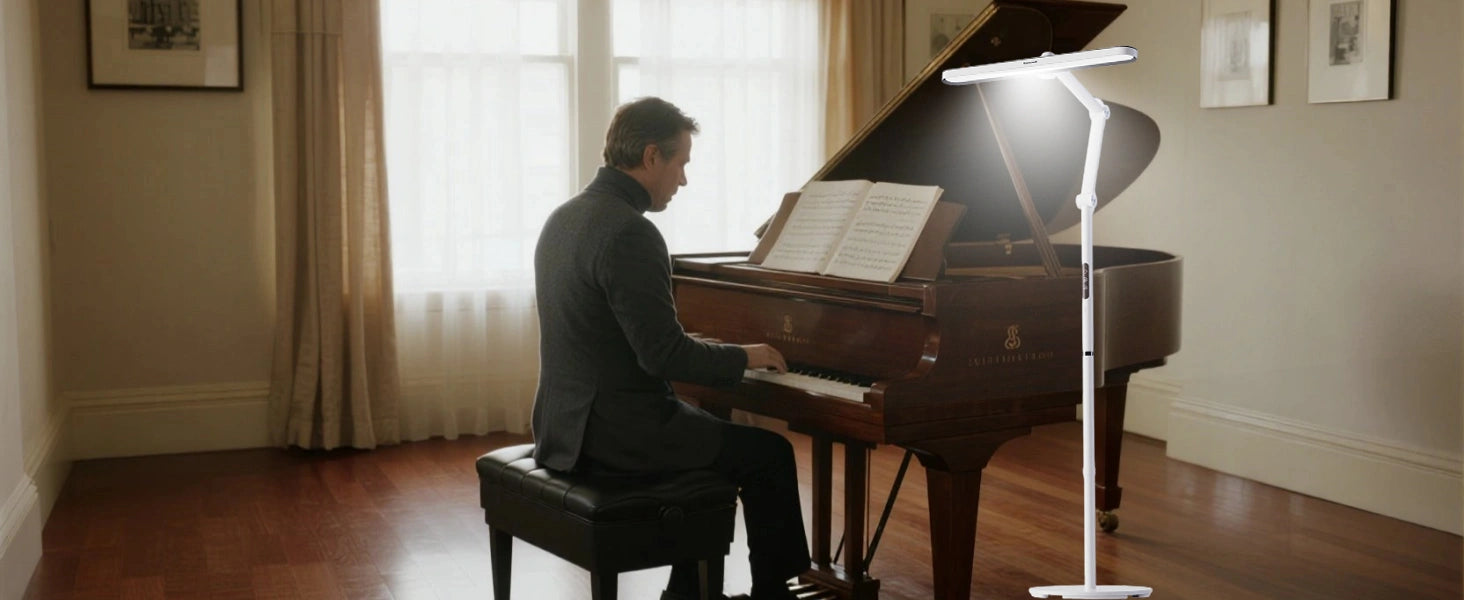
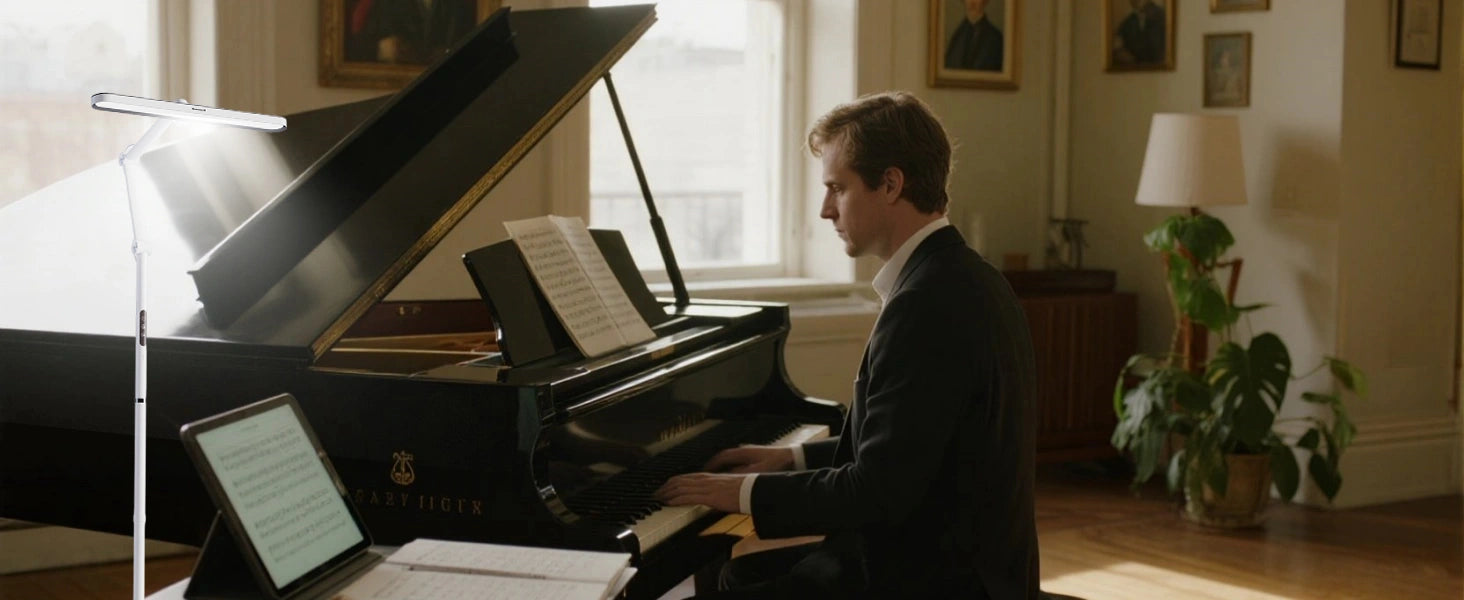
For pianists, proper lighting placement is crucial for reading both treble and bass clef simultaneously while maintaining awareness of hand positioning. The 05D01's adjustable height range of 51-67 inches allows precise positioning alongside piano benches, ensuring even illumination across the entire keyboard span without creating glare on black keys or music stands.
String Instrument Compatibility
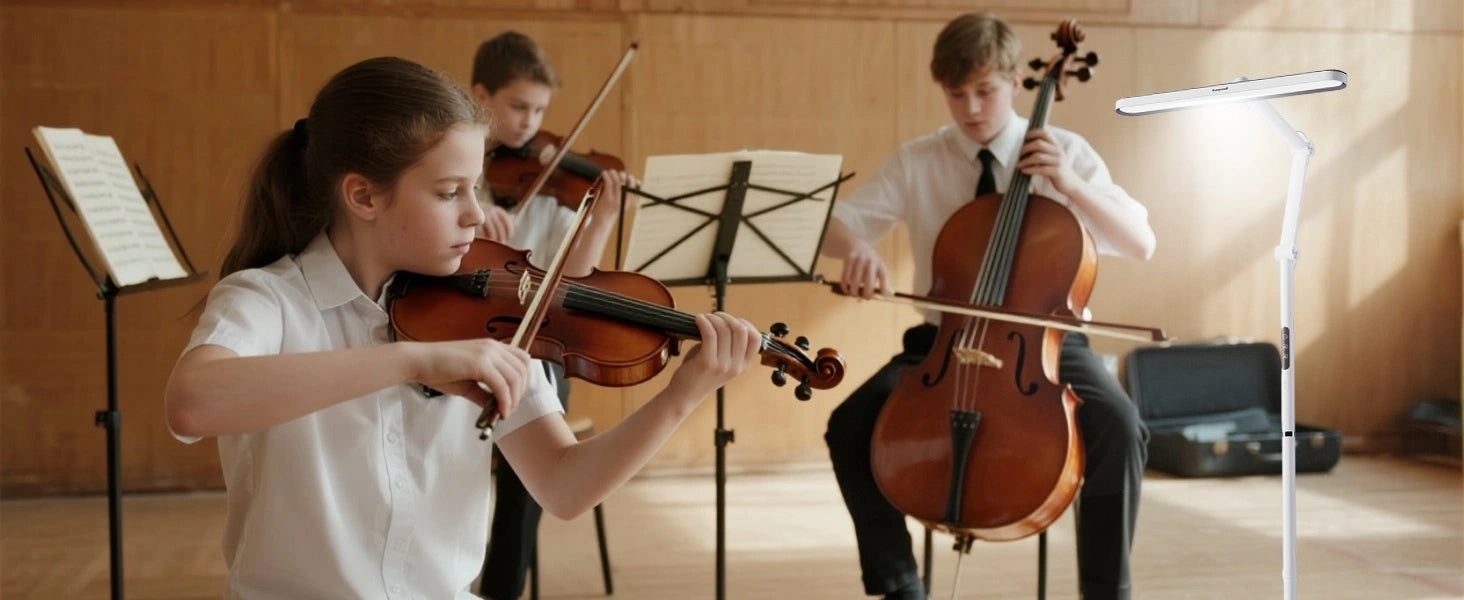
Violinists, violists, and cellists require lighting that accommodates their dynamic playing positions and bow movements. The lamp's flexible positioning system allows musicians to maintain optimal lighting angles even as they shift between different playing positions, ensuring consistent visibility of fingering charts and bowing notations.
Music Studio and Recording Environment Setup
In professional recording environments, traditional lighting can create unwanted noise or electromagnetic interference. The 05D01's advanced LED driver design minimizes electrical noise, making it suitable for use in sensitive recording environments where audio quality cannot be compromised.
Practice Room and Home Studio Integration
The lamp's sleek, professional appearance integrates seamlessly into both dedicated practice rooms and multipurpose living spaces. Its stable base design ensures it won't tip during energetic practice sessions, while the cord management system keeps practice areas organized and safe.
Professional Lighting Setup Recommendations for Musicians
Optimal Positioning for Different Instruments
The top of your sheet music should ideally be at or just below eye level to avoid straining. If the stand must be below eye level, it is better to lower the eyes than tilt the head. Avoid eye problems caused by neck rotation by placing the stand directly in front of you.
For piano practice, position the 05D01 approximately 3 feet to the side of the music stand at a height that illuminates the sheet music without creating shadows from the pianist's hands or head. The light should be angled at roughly 45 degrees to minimize glare while providing even coverage.
String instrument players should position the lamp slightly behind and to the side of their playing position, ensuring the light doesn't interfere with bow movement while maintaining clear visibility of both the music and fingerboard.
Creating a Comprehensive Practice Environment
Beyond individual instrument lighting, consider the overall room illumination. The 05D01 works best when supplemented with gentle ambient lighting that reduces contrast between the focused task lighting and the surrounding environment. This approach helps prevent eye fatigue during extended practice sessions.
Integration with Digital Music Technology
Modern musicians increasingly use tablets and digital music readers alongside traditional sheet music. The 05D01's adjustable color temperature helps reduce blue light exposure when working with digital devices while maintaining the color accuracy needed for reading traditional printed music.
Long-term Benefits for Musical Development
Reduced Practice Fatigue and Extended Sessions
Proper lighting directly correlates with practice endurance. Musicians using optimal lighting solutions report being able to maintain focus and accuracy during longer practice sessions, leading to accelerated skill development and improved muscle memory retention.
Prevention of Vision-Related Performance Anxiety
Poor lighting during practice can create subconscious associations with visual strain and discomfort. By establishing optimal lighting conditions during practice, musicians build confidence in their ability to read music accurately under various performance conditions.
Professional Performance Preparation
The 05D01's portability makes it an excellent tool for preparing for performances in venues with challenging lighting conditions. Musicians can practice under similar lighting conditions to those they'll encounter during actual performances, reducing adaptation time and improving performance consistency.
Investment in Musical Excellence
The Honeywell 05D01 represents more than just a lighting solution—it's an investment in musical excellence and long-term eye health. Lighting: Ensure proper lighting during practice and performances. Avoid harsh lighting that causes glare on your sheet music or instruments. As a musician, your eyes are critical to your craft. Regular eye exams, reducing eye strain, and protective measures during performances are essential
For serious musicians who spend significant time practicing and performing, the cost of the 05D01 quickly pays for itself through reduced eye strain, improved practice efficiency, and enhanced performance quality. The lamp's durable construction and energy-efficient LED technology ensure years of reliable service, making it a sound long-term investment for any musician's practice environment.
Whether you're a student preparing for auditions, a professional performer maintaining your repertoire, or an enthusiast pursuing musical excellence, the Honeywell 05D01 provides the specialized lighting solution that your musical practice deserves. In the pursuit of musical perfection, every detail matters—and proper lighting is no exception.


